 040 68334455
 WhatsApp
 Patient Portal
 Home Care
What is Pleurisy (Pleuritis)?
Written by Medicover Team and Medically Reviewed by Dr Veluvarthi Vijay , Pulmonologists
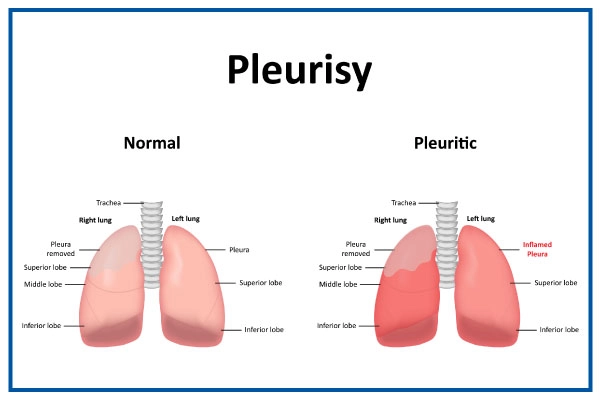
Pleurisy is inflammation of the lining around your lungs, called the pleura, that becomes swollen or irritated. This lining normally helps your lungs move smoothly as you inhale and exhale. When it's inflamed, breathing can be painful and uncomfortable.
The pleura is a thin membrane that borders the chest cavity and the outside of the lungs. Inflammation of these two tissue layers is known as pleurisy. Between the chest lining and the membrane that lines the lungs is a narrow region known as the pleural space.
Pleurisy, also known as Pleuritis, often feels like a sharp, stabbing pain in your chest (pleuritic pain) that gets worse when you take a deep breath, cough, or sneeze.
Key points to know about pleurisy:
- It's usually caused by infections (like pneumonia or viruses).
- It can also happen with lung conditions, injuries, or certain diseases like arthritis.
- Chest pain often gets worse with deep breathing.
- Sometimes fluid builds up between the lung linings, making breathing harder.
Doctors treat pleurisy by figuring out and managing the cause. You might need medicine for pain or to fight infections.
If you have sudden, severe chest pain that doesn't go away, or you feel very short of breath, see a doctor right away. Getting help early can prevent complications and help you feel better sooner.
What Are the Pleurisy Symptoms?
Pleurisy is a condition in which the lining around the lungs becomes swollen or irritated, causing breathing pain. Let's discuss the primary symptoms of pleurisy in simple terms.
The most noticeable symptom of pleurisy is chest pain (pleuritic pain) that feels worse when they take a deep breath, cough, or even laugh. It often feels sharp or stabbing and is usually on one side of the chest. The pain might spread to the shoulder or back.
You may also have other signs that tell you something isn't right. These symptoms can vary depending on the cause of pleurisy, such as an infection or another lung problem.
Here are some common signs of pleurisy:
- Sharp, stabbing chest pain that gets worse with deep breathing or coughing
- Pain on one side of the chest
- Shortness of breath because it hurts to breathe deeply
- A dry cough that doesn't go away
- Sometimes mild fever or chills
- Pain that spreads to the shoulder or back
If you're having trouble breathing or severe pain, see a doctor right away. Early treatment can help you feel better and prevent complications.
What Are the Pleurisy Causes?
Pleurisy happens when the lining around your lungs, called the pleura, gets inflamed. This can make breathing very painful. It's not really a disease on its own, but usually a sign that something else is going on in your body.
Some common reasons for Pleurisy include:
- Infections: Viral infections like the flu or pneumonia are the most common causes. Bacterial or fungal infections can also lead to pleurisy.
- Lung conditions: Conditions such as tuberculosis or a blood clot in the lung (pulmonary embolism) can irritate the lungs.
- Chest injuries: A hard hit or accident that injures your ribs can inflame the pleura.
- Autoimmune diseases: Conditions such as lupus or rheumatoid arthritis can cause the body to attack its own tissues, including the pleura.
- Certain cancers, such as lung cancer or those that spread to the lungs, can also cause pleurisy.
If you experience sharp chest pain when breathing in, it's essential to consult a doctor.
Who Is at Risk for Pleurisy?
Anyone can develop pleurisy, but certain individuals are more susceptible to it. Knowing if you're at higher risk can help you stay alert to early signs and get treatment quickly.
You may be at higher risk if you:
- Have lung infections: People who often get pneumonia or bronchitis are more prone.
- Have chronic health issues: Conditions like heart failure or kidney disease can raise the risk.
- Live with autoimmune diseases: Lupus or rheumatoid arthritis can cause the pleura to become inflamed.
- Smoke: Smoking damages the lungs, making infections and inflammation more likely.
- Had a recent chest injury: Trauma to the ribs or chest can lead to pleurisy.
- Older adults may be more vulnerable to infections that cause pleurisy.
Get a second opinion from trusted experts and makeconfident, informed decisions.
Get Second OpinionHow Is Pleurisy Diagnosed?
If you're experiencing sharp chest pain that worsens with breathing, your doctor will want to determine if it's pleurisy and what is causing it. Pleurisy Diagnosis usually starts with talking about your symptoms and medical history. Your doctor will ask when the pain started, how it feels, and whether you've been sick recently.
They'll listen to your chest with a stethoscope. Doctors often hear a distinctive sound, such as a rough rubbing, when someone has pleurisy. That sound helps confirm the problem.
But chest pain can come from many causes, so your doctor may also look for infections, lung problems, or heart issues that might be behind it. Getting the right diagnosis is very important because treatment depends on the cause.
Your doctor will explain each step in plain language and make sure you know what's happening. Don't be afraid to ask questions about your symptoms or the tests being done.
What Tests Will Be Done to Diagnose Pleurisy?
Doctors use a few simple tests, like pleural fluid analysis, to determine if you have pleurisy and identify the underlying cause. These tests help them see if there's an infection, fluid around the lungs, or another issue.
Common Pleurisy tests include:
- Blood Tests: When doctors suspect pleurisy, they often start with blood tests to learn more about what might be causing the inflammation in your chest lining. Blood tests help look for signs of infection or other problems that can lead to pleurisy.
- Electrocardiogram (EKG or ECG): An electrocardiogram (often called EKG or ECG) is a painless, safe test that checks your heart's electrical activity. Doctors often use it when you have chest pain to help figure out if it's your heart or something else, like pleurisy, causing the problem.
- Imaging Tests: Imaging tests, such as a Chest X-ray and CT Scan, are very useful when doctors need a closer look at your lungs and chest to determine if you have pleurisy. These tests give clear pictures that help spot the cause of your pain and any related issues.
- Fluid Testing (Thoracentesis): If doctors see extra fluid around your lungs on imaging tests, they might recommend a procedure called thoracentesis. This test removes fluid from the pleural space (the area between your lung and chest wall) to find out what's causing the buildup.
- Bronchoscopy: It is a diagnostic procedure to directly examine the airways inside the lungs using a thin, lighted tube (bronchoscope).
- Thoracoscopy: Thoracoscopy is a procedure that lets doctors look directly inside your chest to see the pleura (lining of the lungs) and take small tissue samples if needed. It's usually done when other tests don't give clear answers or if a more detailed examination is needed.
Your doctor will choose the tests that make sense for your symptoms. Not everyone needs all of them. They'll explain why each test is needed and what it can show. The goal is to find the real cause of your pain so you can get the right treatment and start feeling better as soon as possible.
How Is Pleurisy Treated?
Pleurisy can be painful and uncomfortable, but the good news is that it can often be treated effectively once the cause is known. Pleurisy treatment primarily focuses on reducing pain and addressing the underlying condition that causes inflammation in the lining of the lungs (the pleura).
Your doctor will first try to figure out what's behind your pleurisy. It could be an infection, an injury, or another health condition. Once they know the cause, they'll choose the right treatment to help you feel better.
Here's how pleurisy is typically treated:
- NSAIDs: Doctors may suggest that Non-steroidal anti-inflammatory medicines, or NSAIDs, can be used to alleviate pain. Examples include acetaminophen (paracetamol) and ibuprofen.
- Treating Infections: If bacteria are the cause, you'll get antibiotics. For viral infections, your body often clears them on its own, but rest and fluids help.
- Cough Suppressants: If coughing makes pain worse, your doctor may suggest something to calm it.
- Breathing Exercises: Gentle deep breathing can help keep your lungs healthy and prevent infections.
- Treating the Underlying Condition: For example, if a blood clot in the lung is the cause, blood-thinning medicines may be needed.
- Hospital Care: In severe cases, like very bad infections or fluid buildup around the lungs, you might need to stay in the hospital for monitoring or procedures to drain fluid.
Always follow your doctor's advice closely. If you have chest pain that gets worse or trouble breathing, don't try your own medical treatment. The right treatment can help you recover and breathe comfortably again.
When to See a Doctor for Pleurisy?
If you think you might have pleurisy, it's important to know when to get medical help. Pleurisy can sometimes be a sign of a serious infection or other lung problems that need treatment.
Consider seeing a doctor if you have:
- Sharp chest pain that gets worse when you breathe deeply or cough
- Trouble taking a full breath or feeling short of breath
- Chest pain that lasts more than a few days
- Fever, chills, or feeling unwell, along with chest pain
- A cough that produces yellow or green mucus
- Unexplained weight loss or night sweats
If your pain is severe or you can't catch your breath, seek urgent medical care. Getting checked early can help find the cause and start the right treatment to help you feel better.
Your health is everything - prioritize your well-being today.
 Consult Pleurisy Doctors Today
What is the Recovery Process After Pleurisy Treatment?
Recovering from pleurisy depends on what caused it and how quickly you get treatment. Most people start to feel better within a few days to weeks once the infection or inflammation is treated.
Here's what you can expect during recovery:
- Follow-up visits to check lung health
- Plenty of rest to help your body heal
- Pain relief medications to ease chest discomfort
- Deep breathing exercises to prevent lung problems
- Drinking fluids to stay hydrated
- Antibiotics are used if a bacterial infection is caused
It's important to finish all prescribed medicines even if you feel better. Don't rush back to strenuous activities. If symptoms worsen or you have trouble breathing, seek medical help right away. Medicover's team is here to support you through every step of your recovery.
What Are the Possible Complications of Pleurisy?
While many people recover fully from pleurisy, there can be complications if it's not treated or if the cause is severe. Knowing what to watch for can help you get care early.
Possible Pleurisy complications include:
- Pleural effusion (fluid buildup around the lungs) makes breathing harder.
- Lung infection, like pneumonia, if the underlying cause spreading.
- Scar tissue forms in the pleura, which may cause lasting discomfort.
- Collapsed lung (rare but serious) occurs if air leaks into the chest cavity.
- Breathing difficulties that may need hospital care.
If you notice worsening shortness of breath, chest pain that's not improving, or a high fever, see a doctor right away. Early treatment can help avoid serious problems.
Our Experience in Treating Pleurisy
At Medicover, we understand that pleurisy can be painful and even frightening. It's normal to feel worried when sharp chest pain makes breathing hard. We care for many patients with pleurisy every year and know how to help you feel better quickly and safely.
Our team listens carefully to your symptoms and ensures you get the right diagnosis. We use clear, simple explanations so you always know what's happening. Our doctors and nurses work together to treat both the pain and the cause of pleurisy, whether it's an infection or another condition.
We know it can be scary to struggle with breathing. Our goal is to help you feel safe, reduce your pain, and get you back to your normal life as quickly as possible. We're here for you every step of the way.


