 040 68334455
 WhatsApp
 Patient Portal
 Home Care
Experienced Edwards Syndrome Specialists in India
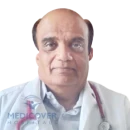
Dr Suresh Jaju
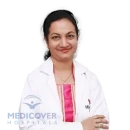
Dr Anita Tripathy
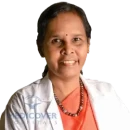
Dr Garuda Rama

Dr Sanjeeva Reddy KC
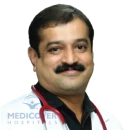
Dr Sushil Parakh

Dr Praveen Venkatagiri

Dr Ravinder Reddy Parige
Dr Lathiesh Kambam

Dr Vamshee Reddy

Dr Rahul Gosavi

Dr Amarnath Kulkarni
Dr Udaya Keerthi Kanna
Dr Priyanka Vemuri

Dr Shivashankar Diggikar
Dr G Manasa

Dr Leenatha Reddy Nedurumalli
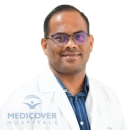
Dr Janardhana Reddy V
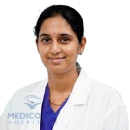
Dr Vempati Satya Surya Prasanthi

Dr Talishetty Swathy

Dr M Sravan Kumar Reddy

Dr Seepana Rajesh

Dr Bommisetti R Nagarjuna
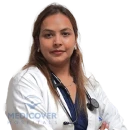
Dr Purva Jain

Dr Yanamala Ganesh

Dr Kapil Babasaheb Jadhav
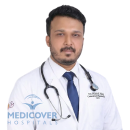
Dr Nikhil Nag S Punneshetty
Dr. Vrukshal Tukaram Shamkuwar
Dr Shireesha Gugloth

Dr Chappa Bhavani Shankar

Dr Lavanya Alluwada
Dr Anurag Mahagaonkar
Dr Shaik Shahanaz
Dr Vuppala Subbarao

Dr Sriranga Modalavalasa
Dr Vijay Krishna K

Dr Neha Mukhi

Dr K Sindhura
Dr Ashritha Rao Komandla
Importance of Edwards Syndrome Specialist in Treatment
When it comes to treating Edwards Syndrome, the role of disease specialists cannot be overstated. These healthcare professionals possess specialized knowledge and expertise in dealing with complex genetic conditions like Edwards Syndrome. By focusing specifically on this rare disorder, disease specialists can offer tailored treatment plans that address the unique needs and challenges faced by patients with Edwards Syndrome. Patients with this condition can benefit greatly from the guidance and support provided by these specialists, who are equipped to navigate the intricacies of managing the symptoms and complications associated with Edwards Syndrome. Their dedication to staying up-to-date on the latest advancements in the field enables them to offer the most effective and innovative care to their patients, ultimately improving the quality of life for individuals living with Edwards Syndrome. Disease specialists approach the treatment of Edwards Syndrome with a comprehensive and multidisciplinary strategy that is designed to enhance patient outcomes. By collaborating with a team of healthcare providers, including genetic counselors, pediatricians , and therapists, specialists can ensure that patients receive holistic care that addresses all aspects of their well-being. This integrated approach not only focuses on managing the physical symptoms of Edwards Syndrome but also takes into account the emotional and psychological needs of patients and their families. By providing personalized care plans and ongoing support, disease specialists empower patients to navigate the challenges of living with Edwards Syndrome and strive for the best possible outcomes. Through their expertise and compassionate approach, disease specialists play a crucial role in improving the overall quality of life for individuals affected by this rare genetic disorder.
Why to Choose Edwards Syndrome Specialists at Medicover Hospitals in India
Patients diagnosed with Edwards Syndrome should confidently choose Medicover Hospitals for their treatment due to the exceptional expertise of their specialists in managing this complex condition. With a comprehensive range of advanced treatments and therapies tailored specifically for Edwards Syndrome, Medicover Hospitals offers patients a holistic approach to care that addresses both the physical and emotional aspects of the condition. Known for their unwavering commitment to patient well-being and their track record of successful outcomes in treating Edwards Syndrome cases, Medicover Hospitals have earned a strong reputation for providing compassionate, personalized care that prioritizes the individual needs of each patient.

Why Choose Our Doctors?
- Our doctors are experts in their fields and have years of experience.
- We provide top-tier medical infrastructure and technology.
- Easy booking options for both virtual and in-person consultations.
- Insurance & Cashless Payment Support
- Emergency & 24/7 Care
- Compassionate & Patient-Centered Approach
- Multi-Disciplinary Expertise (Collaboration between specialists ensures comprehensive treatment plans).
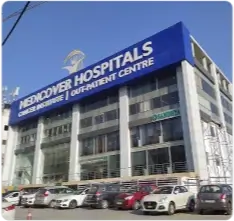
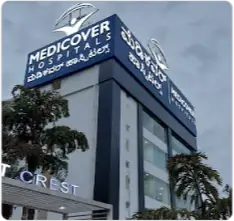
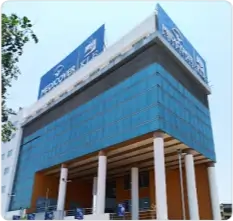
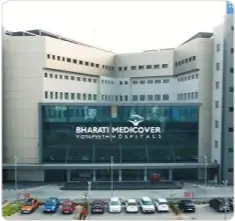
Our Hospitals Near You
Popular Searches
Frequently Asked Questions
Early indicators of Edwards Syndrome, also known as Trisomy 18, in India include heart defects, low birth weight, clenched fists with overlapping fingers, and severe developmental delays. Early diagnosis is crucial for specialized care..
While there is no cure, supportive care focusing on improving quality of life through physical therapy, nutritional support, and addressing specific health issues can help manage symptoms of Edwards syndrome.
Specialists treating Edwards Syndrome often encounter heart defects, developmental delays, feeding difficulties, and intellectual disabilities in patients seeking care in India. Treatment focuses on managing these conditions effectively.
Edwards Syndrome has no cure, and treatment focuses on managing symptoms and improving quality of life. Palliative care is often recommended for severe cases.


Feeling unwell?
Request a callback!
