 Call
Call Patient Reports
- Cardiology 84
- Dermatology 45
- Endocrinology 33
- ENT 16
- Fertility 190
- Gastroenterology 78
- General-Medicine 81
- Gynecology 80
- Hematology 19
- Infectious-Diseases 33
- Neurology 52
- Oncology 34
- Ophthalmology 23
- Orthopedics 69
- Pediatrics 31
- Procedure 23
- Public-Health 144
- Pulmonology 59
- Radiology 8
- Urology 68
- Wellness 161
- Woman-and-child 77
- 3759
- 3.5 Minute
Zollinger Ellison Syndrome: Symptoms and Treatment
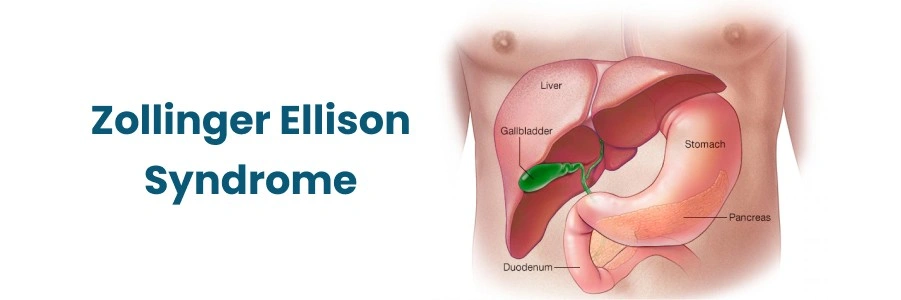
Zollinger-Ellison Syndrome (ZES) is a rare and complex medical condition characterized by the formation of one or more gastrin-secreting tumors, known as gastrinomas. These tumors typically develop in the pancreas or the duodenum and lead to excessive gastric acid production. This hypersecretion results in severe peptic ulcers, diarrhea, and other gastrointestinal complications. In this comprehensive overview, we will explore the causes, symptoms, diagnosis, pathophysiology, management, and treatment options for Zollinger-Ellison Syndrome.
Get a second opinion from trusted experts and makeconfident, informed decisions.
Get Second OpinionNot sure where to start?
Talk to a patient care advisor — free, confidential, 24/7. We'll match you to the right specialist and book your appointment in minutes.
Causes of Zollinger-Ellison Syndrome
Genetic Factors
Zollinger-Ellison Syndrome is often associated with genetic mutations. Approximately 25-30% of ZES cases occur in individuals with Multiple Endocrine Neoplasia type 1 (MEN1), a hereditary condition that predisposes individuals to develop various endocrine tumors. MEN1 is caused by mutations in the MEN1 gene, which encodes the protein menin, a tumor suppressor.
Sporadic Cases
The majority of ZES cases are sporadic, meaning they occur in individuals without any known genetic predisposition. The exact cause of sporadic ZES remains unclear, but it is believed to involve random genetic mutations that lead to the development of gastrinomas.
Symptoms of Zollinger-Ellison Syndrome
Gastrointestinal Symptoms
The hallmark of ZES is the presence of severe and recurrent peptic ulcers. These ulcers can occur in the stomach, duodenum, or even the jejunum. Common gastrointestinal symptoms include:
- Abdominal pain
- Nausea and vomiting
- Gastroesophageal reflux disease (GERD)
- Diarrhea and steatorrhea (fatty stools)
Systemic Symptoms
In addition to gastrointestinal symptoms, ZES can present with systemic manifestations such as:
- Weight loss
- Fatigue
- Anemia
- Electrolyte imbalances
Diagnosis of Zollinger-Ellison Syndrome
Clinical Evaluation
The diagnosis of ZES begins with a thorough clinical evaluation, including a detailed medical history and physical examination. Physicians will inquire about the patient's symptoms, family history of endocrine disorders, and any previous history of peptic ulcers.
Laboratory Tests
Several laboratory tests are essential for diagnosing ZES:
- Serum Gastrin Levels: Elevated levels of gastrin in the blood are a key indicator of ZES. Fasting serum gastrin levels exceeding 1000 pg/mL are highly suggestive of the condition.
- Secretin Stimulation Test: This test involves the administration of secretin, a hormone that stimulates gastrin release. An abnormal increase in serum gastrin levels following secretin administration supports the diagnosis of ZES.
Imaging Studies
Imaging studies are crucial for localizing gastrinomas and assessing the extent of the disease:
- Magnetic Resonance Imaging (MRI) and Computed Tomography (CT) Scans: These imaging modalities help visualize the pancreas and duodenum, identifying any tumors present.
- Somatostatin Receptor Scintigraphy (SRS): This nuclear medicine imaging technique uses radiolabeled somatostatin analogs to detect gastrinomas and other neuroendocrine tumors.
Endoscopic Procedures
Endoscopic techniques play a vital role in the diagnosis of ZES:
- Upper Endoscopy: This procedure allows direct visualization of the esophagus, stomach, and duodenum, helping identify ulcers and obtain tissue samples for biopsy.
- Endoscopic Ultrasound (EUS): EUS combines endoscopy and ultrasound to provide detailed images of the pancreas and surrounding structures, aiding in tumor localization.
Pathophysiology of Zollinger-Ellison Syndrome
Gastrinomas and Gastric Acid Hypersecretion
The pathophysiology of ZES revolves around the excessive production of gastrin by gastrinomas. Gastrin stimulates the parietal cells in the stomach to secrete hydrochloric acid, leading to hypergastrinemia and subsequent gastric acid hypersecretion. This hyperacidity results in the formation of peptic ulcers and disrupts the normal digestive processes.
Tumor Growth and Metastasis
Gastrinomas are typically slow-growing tumors, but they have the potential to metastasize to regional lymph nodes, the liver, and other distant sites. Metastatic disease can complicate the management and prognosis of ZES.
Complications of Zollinger-Ellison Syndrome
Peptic Ulcers and Gastrointestinal Bleeding
The most common complication of ZES is the development of peptic ulcers, which can lead to gastrointestinal bleeding, perforation, and obstruction. These complications necessitate prompt medical attention and intervention.
Malabsorption and Nutritional Deficiencies
Chronic diarrhea and steatorrhea associated with ZES can result in malabsorption of nutrients, leading to deficiencies in vitamins, minerals, and electrolytes. Malnutrition and weight loss are significant concerns in patients with ZES.
Management and Treatment of Zollinger-Ellison Syndrome
Medical Therapy
The primary goal of medical therapy in ZES is to control gastric acid hypersecretion and alleviate symptoms. Proton pump inhibitors (PPIs) are the mainstay of treatment:
- Proton Pump Inhibitors (PPIs): PPIs such as omeprazole, lansoprazole, and esomeprazole effectively reduce gastric acid production, providing relief from peptic ulcers and other gastrointestinal symptoms.
- Histamine H2 Receptor Antagonists: In cases where PPIs are insufficient, histamine H2 receptor antagonists like ranitidine and famotidine may be used as adjunctive therapy.
Surgical Intervention
Surgical resection of gastrinomas is considered in patients with localized tumors and those who do not respond adequately to medical therapy:
- Tumor Resection: Surgical removal of gastrinomas can be curative in cases where the tumors are localized and resectable.
- Debulking Surgery: In patients with metastatic disease, debulking surgery aims to reduce tumor burden and alleviate symptoms.
Management of Metastatic Disease
For patients with metastatic ZES, additional treatment modalities may be necessary:
- Somatostatin Analog Therapy: Somatostatin analogs such as octreotide and lanreotide can inhibit gastrin secretion and control symptoms in patients with metastatic gastrinomas.
- Targeted Therapies: Emerging targeted therapies, including tyrosine kinase inhibitors and mTOR inhibitors, show promise in managing metastatic neuroendocrine tumors.
Prognosis and Long-Term Outlook
The prognosis of ZES varies depending on factors such as tumor size, location, and the presence of metastatic disease. Early diagnosis and appropriate management significantly improve outcomes. Regular follow-up and monitoring are essential to detect recurrence or progression of the disease.
Your health is everything - prioritize your well-being today.
Schedule Your AppointmentConclusion
Zollinger-Ellison Syndrome is a complex and rare disorder characterized by gastrin-secreting tumors and excessive gastric acid production. Prompt diagnosis, appropriate medical therapy, and surgical intervention are crucial for managing the condition and preventing complications. With advancements in diagnostic techniques and treatment options, patients with ZES can achieve improved quality of life and long-term outcomes.
Frequently Asked Questions
Zollinger-Ellison Syndrome is a rare condition characterized by gastrin-secreting tumors (gastrinomas) that cause excessive stomach acid production.
Symptoms include recurrent peptic ulcers, abdominal pain, diarrhea, and acid reflux.
Diagnosis typically involves measuring gastrin levels, imaging studies to locate gastrinomas, and endoscopy to assess ulceration.
Treatments may include acid-reducing medications (like proton pump inhibitors), surgical removal of gastrinomas, and chemotherapy for metastatic disease.
While the syndrome can be managed and symptoms controlled, a complete cure is challenging, especially if gastrinomas are metastatic.
- Cardiology
- Case Studies
- Dermatology
- Endocrinology
- ENT
- Fertility
- Gastroenterology
- General
- General-Medicine
- Gynecology
- Hematology
- Infectious-Diseases
- Medical News
- Neurology
- Oncology
- Ophthalmology
- Orthopedics
- Pediatrics
- Procedure
- Public-Health
- Pulmonology
- Radiology
- Second Opinion
- Urology
- Wellness
- Woman-and-child
Related Blogs
Still have questions? Speak with our experts now!
040-68334455


