 Call
Call Patient Reports
- Cardiology 84
- Dermatology 45
- Endocrinology 33
- ENT 16
- Fertility 190
- Gastroenterology 78
- General-Medicine 81
- Gynecology 80
- Hematology 19
- Infectious-Diseases 33
- Neurology 52
- Oncology 34
- Ophthalmology 23
- Orthopedics 69
- Pediatrics 31
- Procedure 23
- Public-Health 144
- Pulmonology 59
- Radiology 8
- Urology 68
- Wellness 161
- Woman-and-child 77
- 3759
- 3.5 Minute
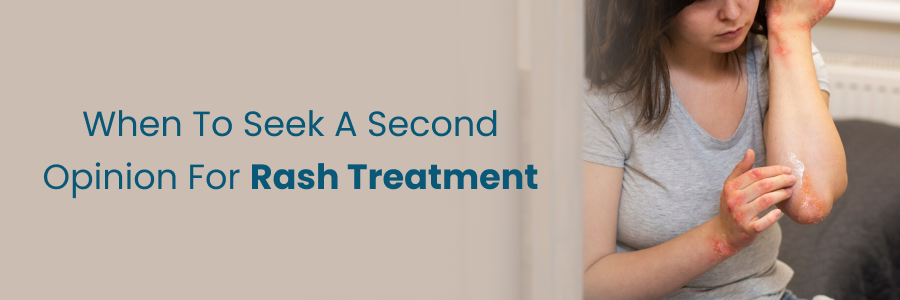
When to Seek a Second Opinion for Rash Treatment
Rashes can be more than just an itchy annoyance; they can indicate underlying health issues requiring proper medical attention. While many rashes are harmless and can be treated with over-the-counter remedies, there are situations where seeking a second opinion for rash treatment is crucial.
At Medicover Hospitals, we prioritize your health and well-being and encourage you to be proactive in your healthcare journey. Understanding when to seek a second opinion can be pivotal in ensuring accurate diagnosis and effective treatment.
Get a second opinion from trusted experts and makeconfident, informed decisions.
Get Second OpinionNot sure where to start?
Talk to a patient care advisor — free, confidential, 24/7. We'll match you to the right specialist and book your appointment in minutes.
Understanding the Importance of a Second Opinion
Why Consider a Second Opinion?
Seeking a second opinion for rash treatment can provide several benefits, ensuring you receive the most accurate diagnosis and effective treatment plan. Here are some reasons why a second opinion is essential:
- Accurate Diagnosis: Rashes can be caused by various factors, including allergies, infections, autoimmune diseases, and more. A second opinion can confirm the initial diagnosis or identify a different underlying cause. Misdiagnosis can lead to ineffective treatment, prolonged discomfort, and potential worsening of the condition.
- Effective Treatment: Different doctors may have different approaches to treatment. A second opinion can offer alternative treatment options that may be more effective or have fewer side effects. This can be particularly important if the initial treatment plan is not producing the desired results or is causing adverse reactions.
- Peace of Mind: Knowing that you have learned all possible options can provide reassurance and confidence in your treatment plan. It can be comforting to know that another expert agrees with the diagnosis and treatment plan, or it can provide new insights that lead to better health outcomes.
When to Seek a Second Opinion
Not all rashes require a second opinion, but certain situations warrant further evaluation. Consider seeking a second opinion if:
- The Rash Persists or Worsens: If the Rash does not improve with initial treatment or worsens over time, it may indicate a need for a more complete evaluation. Persistent rashes can be a sign of more serious underlying conditions that require specialised care.
- The Diagnosis is Unclear: If the initial diagnosis is uncertain or if multiple potential causes are suggested, a second opinion can help clarify the situation. An unclear diagnosis can lead to inappropriate treatments that may not address the root cause of the Rash.
- You Have Underlying Health Conditions: If you have other health issues that could complicate the Rash, such as diabetes or a weakened immune system, a second opinion can ensure a holistic approach to your treatment. Complex health conditions often require a multi-faceted treatment plan that addresses all aspects of your health.
- The Treatment is Not Effective: If the prescribed treatment does not alleviate the symptoms or causes adverse reactions, it is advisable to learn alternative options with a second opinion. Ineffective treatment can lead to frustration and prolonged discomfort, making it essential to find a more suitable approach.
The Process of Seeking a Second Opinion
Step 1: Gather Your Medical Records
Before seeking a second opinion, collect all relevant medical records, including:
- Initial diagnosis and treatment plan
- Test results, such as blood tests or skin biopsies
- A list of current medications and treatments
Having this information readily available will help the new doctor understand your medical history and provide an informed opinion. complete records ensure that the second doctor has all the information required to make an accurate diagnosis.
Step 2: Choose the Right Specialist
Select a specialist who has experience in diagnosing and treating rashes. Dermatologists are often the go-to experts for skin conditions, but depending on the underlying cause, you may also need to consult with an allergist, immunologist, or infectious disease specialist. Choosing the right specialist ensures that you receive expert care tailored to your specific condition.
Step 3: Schedule a Consultation
Book an appointment with the chosen specialist. During the consultation, be prepared to discuss your symptoms, medical history, and any concerns you may have. The specialist may conduct a physical examination and order additional tests to provide a complete evaluation. Open communication with the specialist can lead to a more accurate and personalised treatment plan.
Step 4: Compare Opinions
After receiving the second opinion, compare it with the initial diagnosis and treatment plan. Consider the following:
- Are the diagnosis the same or different?
- What are the recommended treatment options from each doctor?
- Are there any potential risks or benefits associated with each treatment plan?
Comparing opinions helps you understand the different perspectives and choose the most suitable treatment approach. It also helps identify any discrepancies between diagnosis and treatment plans.
Step 5: Make an Informed Decision
Based on the information gathered, make an informed decision about your treatment. You may choose to follow the initial treatment plan, adopt the new recommendations, or combine elements from both plans. Making an informed decision ensures that you are comfortable and confident in your treatment journey.
The Role of Medicover Hospitals in Rash Treatment
At Medicover Hospitals, we are committed to providing complete and personalised care for all our patients. Our team of experienced specialists handles a wide range of skin conditions, including rashes. We believe in the importance of rash treatment and second opinion to ensure the best possible outcomes for our patients.
Our Approach
- Complete Evaluation: We conduct thorough assessments to understand the underlying cause of the Rash, considering all possible factors. This includes detailed medical history, physical examinations, and necessary diagnostic tests to ensure an accurate diagnosis.
- Collaborative Care: Our specialists work together to provide a multidisciplinary approach to treatment, ensuring all aspects of your health are considered. Collaboration among dermatologists, allergists, immunologists, and other specialists ensures a holistic and effective treatment plan.
- Patient-Centered Care: We prioritize your needs and concerns, offering clear communication and support throughout your treatment journey. Our patient-centered approach ensures that you are informed and involved in all decisions related to your care.
How to Get a Second Opinion at Medicover Hospitals
If you are considering a second opinion for rash treatment, Medicover Hospitals is here to help. Follow these steps to get started:
- Contact Us: Reach out to our appointment desk to schedule a consultation with one of our specialists. Our friendly staff will assist you in finding the right specialist and setting up your appointment.
- Provide Medical Records: Bring your medical records and any relevant test results to your appointment. Providing complete records ensures that our specialists have all the information needed to make an informed diagnosis.
- Consult with Our Specialists: Discuss your symptoms and concerns with our experienced doctors, who will provide a complete evaluation and treatment recommendations. Our specialists will take the time to understand your condition and offer personalised treatment options.
Your health is everything - prioritize your well-being today.
Schedule Your AppointmentConclusion
Seeking a second opinion for rash treatment can significantly impact your health and well-being. It ensures an accurate diagnosis, effective treatment, and peace of mind. At Medicover Hospitals, we are dedicated to providing the highest quality care.
If you have concerns about a rash or are unsatisfied with your current treatment, don’t hesitate to seek a second opinion. Your health deserves the best care possible.
Frequently Asked Questions
You should seek a second opinion for rash treatment if you have doubts about your diagnosis, are unhappy with your current treatment, or want to learn other options.
Conflicting advice, dissatisfaction with treatment results, or uncertainty about your diagnosis can indicate the need for a second opinion on rash treatment.
A second opinion benefits rash treatment by confirming the diagnosis, exploring alternative therapies, and improving overall care.
Getting a second opinion for rash treatment is essential to ensure that you receive the most effective treatment and confirm the accuracy of your diagnosis.
A second opinion plays a role in rash care by verifying your diagnosis and treatment plan and offering additional insights for better outcomes.
The best time to seek a second opinion for rash treatment is when you are uncertain about your diagnosis, unhappy with your treatment, or want to learn alternative options.
- Cardiology
- Case Studies
- Dermatology
- Endocrinology
- ENT
- Fertility
- Gastroenterology
- General
- General-Medicine
- Gynecology
- Hematology
- Infectious-Diseases
- Medical News
- Neurology
- Oncology
- Ophthalmology
- Orthopedics
- Pediatrics
- Procedure
- Public-Health
- Pulmonology
- Radiology
- Second Opinion
- Urology
- Wellness
- Woman-and-child
Related Blogs
Still have questions? Speak with our experts now!
040-68334455


