 Call
Call Patient Reports
- Cardiology 84
- Dermatology 45
- Endocrinology 33
- ENT 16
- Fertility 190
- Gastroenterology 78
- General-Medicine 81
- Gynecology 80
- Hematology 19
- Infectious-Diseases 33
- Neurology 52
- Oncology 34
- Ophthalmology 23
- Orthopedics 69
- Pediatrics 31
- Procedure 23
- Public-Health 144
- Pulmonology 59
- Radiology 8
- Urology 68
- Wellness 161
- Woman-and-child 77
- 3759
- 3.5 Minute
Understanding Vertebral Tumors: Symptoms and Treatment
Understanding vertebral tumours, also known as spinal tumours, is crucial for both patients and caregivers navigating this complex medical condition. They can originate in the spine or spread from other parts of the body, leading to significant health challenges. This article aims to provide a comprehensive overview of vertebral tumours, including their symptoms, diagnostic methods, and treatment options.
What Are Vertebral Tumors?
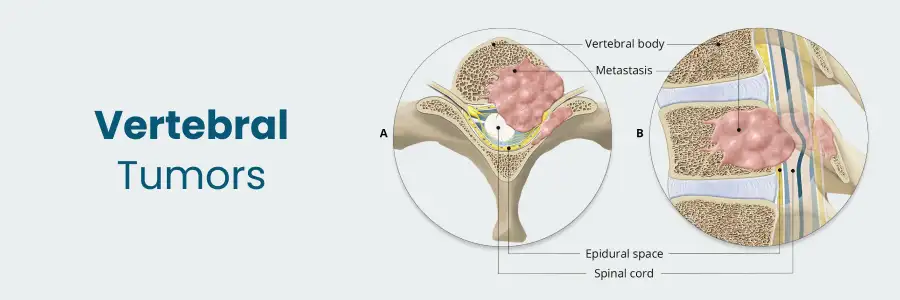
Vertebral tumours are abnormal growths that develop within the bones of the spine (vertebrae). They can be benign (non-cancerous) or malignant (cancerous). Tumours that originate in the vertebrae are called primary spinal tumours, whereas those that spread from other areas of the body are known as metastatic spinal tumours.
Types of Vertebral Tumors
There are several types of vertebral tumours, each with unique characteristics:
- Osteoblastomas: These are rare, benign tumours that typically affect the spine's posterior elements.
- Osteosarcomas: These are malignant bone tumours that can affect the spine, among other bones.
- Chordomas: These rare tumours arise from notochordal remnants and are usually found at the base of the spine.
- Ewing Sarcoma: A highly aggressive form of bone cancer that can affect the spine.
- Metastatic Tumors: These tumours spread to the spine from cancers in other parts of the body, such as the breast, lung, or prostate.
Get a second opinion from trusted experts and makeconfident, informed decisions.
Get Second OpinionNot sure where to start?
Talk to a patient care advisor — free, confidential, 24/7. We'll match you to the right specialist and book your appointment in minutes.
Symptoms of Vertebral Tumors
The symptoms of vertebral tumours can vary widely depending on the tumour's size, location, and type. Here are some common symptoms to watch for:
Pain
Pain is the most prevalent symptom of vertebral tumours. It can be localized to the spine or radiate to other parts of the body, such as the arms or legs. The pain might worsen at night or during rest.
Neurological Issues
As vertebral tumours grow, they can compress the spinal cord or nerve roots, leading to neurological symptoms such as:
- Numbness or tingling in the arms or legs
- Weakness in the extremities
- Difficulty walking or maintaining balance
- Loss of bowel or bladder control
Other Symptoms
Other potential symptoms include unexplained weight loss, fatigue, and fever, which are more common in malignant tumours.
Diagnosing Vertebral Tumors
Accurate diagnosis is essential for effective treatment. Several diagnostic tools and procedures are used to identify and evaluate vertebral tumours.
Imaging Studies
Imaging studies are crucial for visualizing vertebral tumours. Standard imaging techniques include:
- X-rays: Useful for detecting bone abnormalities and fractures.
- MRI (Magnetic Resonance Imaging): Provides detailed images of the spine and surrounding soft tissues, helping to identify the tumour's size and location.
- CT (Computed Tomography) Scans Offer detailed cross-sectional images of the spine, which are useful for assessing bone involvement.
- Bone Scans: Helpful in detecting metastatic tumours and evaluating bone activity.
Biopsy
A biopsy involves taking a small tissue sample from the tumour for microscopic examination. This procedure helps determine whether the tumour is benign or malignant and guides treatment decisions.
Neurological Examinations
Neurological exams assess the tumour's impact on the spinal cord and nerves. They typically involve tests for reflexes, muscle strength, sensory function, and coordination.
Treatment Options for Vertebral Tumors
The treatment of vertebral tumours depends on various factors, including the tumour's type, size, location, and whether it is benign or malignant. Here are the primary treatment options:
Surgical Interventions
Surgery is often the first line of treatment for vertebral tumours, mainly when they cause significant pain or neurological deficits. Surgical goals include:
- Removing as much of the tumour as possible
- Stabilizing the spine
- Relieving spinal cord or nerve compression
Radiation Therapy
Radiation therapy uses high-energy beams to destroy cancer cells or shrink tumours. It can be used alone or in combination with surgery. Types of radiation therapy include:
- External Beam Radiation Therapy (EBRT): Delivers radiation from outside the body, targeting the tumour site.
- Stereotactic Radiosurgery (SRS): An exact form of radiation therapy that delivers a single high-dose radiation treatment to the tumour.
Chemotherapy
Chemotherapy involves using drugs to kill cancer cells or stop them from growing. It is often used for metastatic tumours or aggressive primary tumours like Ewing sarcoma. Chemotherapy can be administered orally or intravenously.
Targeted Therapies
Targeted therapies focus on specific molecules involved in cancer growth and spread. These therapies can be less toxic than traditional chemotherapy and are often used for particular types of cancer.
Supportive and Palliative Care
Supportive care aims to improve the quality of life for patients with vertebral tumours by managing symptoms and side effects. Palliative care focuses on providing relief from pain and other symptoms, regardless of the tumour's stage or prognosis.
Managing Vertebral Tumors: Multidisciplinary Approach
Managing vertebral tumours often requires a multidisciplinary approach involving various healthcare professionals, including:
- Neurosurgeons: Specialize in surgical interventions for spinal tumours.
- Oncologists: Focus on cancer treatment, including chemotherapy and targeted therapies.
- Radiologists: Experts in imaging studies and radiation therapy.
- Pain Management Specialists: Provide strategies for managing chronic pain.
- Physical Therapists: Assist with rehabilitation and mobility improvement.
Support for Vertebral Tumor Patients
Support for vertebral tumour patients extends beyond medical treatment. Emotional and psychological support is crucial for coping with the diagnosis and treatment. Here are some resources:
Support Groups
Joining a support group can provide emotional support and practical advice from others who have experienced similar challenges.
Counseling Services
Professional counseling can help patients and their families navigate the emotional complexities of living with a vertebral tumour.
Patient Education
Educating patients about their condition, treatment options, and self-care strategies is vital for empowering them to make informed decisions.
Your health is everything - prioritize your well-being today.
Schedule Your AppointmentConclusion
Vertebral tumours present significant challenges, but understanding the symptoms, diagnostic methods, and treatment options can help patients and caregivers navigate this complex condition. A multidisciplinary approach, combining medical treatment with emotional and psychological support, is essential for managing vertebral tumours effectively. If you or a loved one is facing a vertebral tumour diagnosis, consult with healthcare professionals to explore the best treatment options and support resources available.
Frequently Asked Questions
Vertebral tumors are abnormal growths in the spine; treatment options include surgery, radiation, and chemotherapy.
Look for spinal oncology or neurology specialists at Medicover Hospitals near you. Find expert care and advanced treatment options for your spinal health needs.
Yes, advancements include minimally invasive surgical techniques and targeted therapies.
Surgery can remove the tumor and relieve pressure on the spinal cord.
Radiation therapy targets and destroys cancer cells in the vertebral area.
Support services include pain management, physical therapy, and counseling.
- Cardiology
- Case Studies
- Dermatology
- Endocrinology
- ENT
- Fertility
- Gastroenterology
- General
- General-Medicine
- Gynecology
- Hematology
- Infectious-Diseases
- Medical News
- Neurology
- Oncology
- Ophthalmology
- Orthopedics
- Pediatrics
- Procedure
- Public-Health
- Pulmonology
- Radiology
- Second Opinion
- Urology
- Wellness
- Woman-and-child
Related Blogs
Still have questions? Speak with our experts now!
040-68334455


