 Call
Call Patient Reports
- Cardiology 84
- Dermatology 45
- Endocrinology 33
- ENT 16
- Fertility 190
- Gastroenterology 78
- General-Medicine 81
- Gynecology 80
- Hematology 19
- Infectious-Diseases 33
- Neurology 52
- Oncology 34
- Ophthalmology 23
- Orthopedics 69
- Pediatrics 31
- Procedure 23
- Public-Health 144
- Pulmonology 59
- Radiology 8
- Urology 68
- Wellness 161
- Woman-and-child 77
- 3759
- 3.5 Minute
Understanding the Urgency of Liver Transplantation
Fighting for Your Future: Understanding the Urgency of Liver Transplantation
In the intricate tapestry of human health, the liver stands as a vital organ, indispensable in maintaining bodily functions and overall well-being. However, when liver failure strikes, the consequences are severe, and the urgency for liver transplantation becomes evident.
The Crucial Role of the Liver
The liver is an extraordinary organ with multifaceted roles that are essential to life. It processes nutrients from the digestive tract, detoxifies chemicals, metabolizes drugs, and produces proteins vital for blood clotting. When the liver's functions are compromised, the impact on the body is profound and can lead to life-threatening conditions.
Liver failure occurs when a significant portion of the liver is damaged beyond repair.
This damage can result from chronic conditions like:
- Cirrhosis
- Hepatitis,
- Fatty liver disease
- Acute liver failure due to overdose or poisoning.
The urgency of liver transplantation arises from the liver's inability to regenerate sufficiently in these situations.
The Urgency of Liver Transplantation
Liver transplantation is often the only viable option for patients with end-stage liver disease.
The urgency of liver transplantation cannot be overstated, as the progression from liver failure to life-threatening complications can be swift and unpredictable.
The Transplant Waiting List Dilemma
The transplant waiting list is a complex system designed to allocate organs based on medical urgency, compatibility, and waiting time.
Unfortunately, the demand for liver transplants far exceeds the supply of available organs. This imbalance leads to prolonged waiting times, during which patients' health may deteriorate further, underscoring the critical urgency of liver transplantation.
Criteria for Liver Transplantation
Candidates for liver transplantation undergo a rigorous evaluation process. Factors such as the severity of liver disease, overall health, and potential for recovery are assessed.
The Model for End-Stage Liver Disease (MELD) score is commonly used to prioritize patients on the waiting list, reflecting the urgency of the need for transplantation.
Liver Transplant Surgery
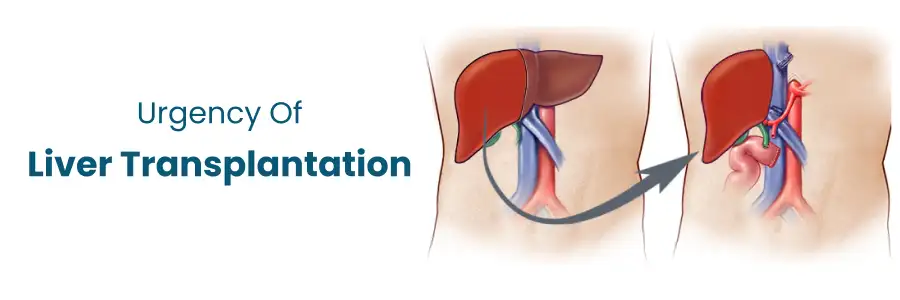
Liver transplant surgery is a complex and intricate procedure that requires skilled surgical teams and advanced medical facilities. The surgery involves replacing the diseased liver with a healthy donor liver, which can be from a deceased or living donor.
The Surgical Process
The procedure begins with the removal of the diseased liver, followed by the implantation of the donor liver. Surgeons meticulously connect blood vessels and bile ducts to ensure proper function. The surgery can take several hours and is followed by a critical postoperative period where the patient's condition is closely monitored.
Post-Transplant Recovery
Recovery from liver transplant surgery is a long-term process that involves intensive care, medication to prevent organ rejection, and regular follow-up appointments.
The success of the transplant depends not only on the surgery but also on the patient's commitment to maintaining liver health post-transplantation.
The Importance of Organ Donation
Organ donation is a selfless act that can save lives and alleviate the urgency of liver transplantation. Increasing awareness and participation in organ donation programs can significantly reduce the waiting time for patients in need of a liver transplant.
Becoming an Organ Donor
Individuals can register as organ donors through their local organ donation registry. It is crucial to communicate this decision with family members, as they play a pivotal role in ensuring the donor's wishes are honored. Every registered donor represents hope for those on the transplant waiting list.
Maintaining Liver Health
While liver transplantation is a life-saving procedure, maintaining liver health is crucial in preventing liver disease and reducing the need for transplantation
Lifestyle choices, such as a balanced diet, regular exercise, and avoiding excessive alcohol consumption, play a significant role in promoting liver health.
Preventative Measures
Vaccinations against hepatitis A and B, regular medical check-ups, and avoiding risky behaviors that can lead to liver damage are essential preventive measures.
Awareness and education about liver health can empower individuals to take proactive steps in safeguarding their liver.
Frequently Asked Questions
A liver transplant is a complex surgical procedure that involves replacing a severely damaged or diseased liver with a healthy liver from a donor.
Liver transplants are critical for patients with severe liver disease, as delays in receiving a transplant can lead to life-threatening complications and further organ damage.
Liver transplants are generally recommended for patients with end-stage liver disease, chronic hepatitis, or acute liver failure, among other severe liver conditions.
Recovery from a liver transplant typically spans 3-6 months, with the patient undergoing regular checkups and medication adjustments for optimal recovery.
Liver transplants, while often successful, do carry risks such as infections, organ rejection, and adverse reactions to immunosuppressive drugs, necessitating close care.
- Cardiology
- Case Studies
- Dermatology
- Endocrinology
- ENT
- Fertility
- Gastroenterology
- General
- General-Medicine
- Gynecology
- Hematology
- Infectious-Diseases
- Medical News
- Neurology
- Oncology
- Ophthalmology
- Orthopedics
- Pediatrics
- Procedure
- Public-Health
- Pulmonology
- Radiology
- Second Opinion
- Urology
- Wellness
- Woman-and-child
Related Blogs
Still have questions? Speak with our experts now!
040-68334455


