 Call
Call Patient Reports
- Cardiology 84
- Dermatology 45
- Endocrinology 33
- ENT 16
- Fertility 190
- Gastroenterology 78
- General-Medicine 81
- Gynecology 80
- Hematology 19
- Infectious-Diseases 33
- Neurology 52
- Oncology 34
- Ophthalmology 23
- Orthopedics 69
- Pediatrics 31
- Procedure 23
- Public-Health 144
- Pulmonology 59
- Radiology 8
- Urology 68
- Wellness 161
- Woman-and-child 77
- 3759
- 3.5 Minute
Benefits of Soybean During Pregnancy
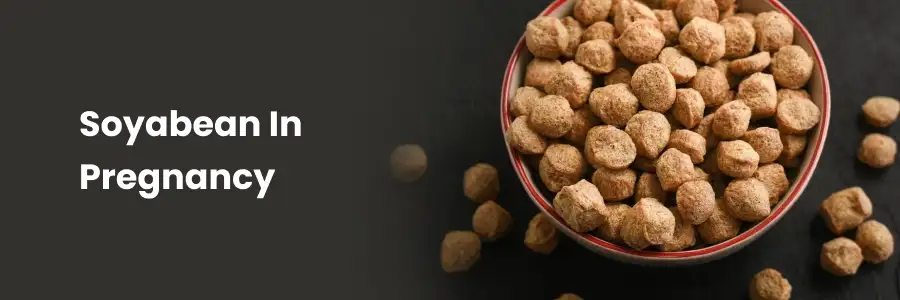
Pregnancy is a time of significant change and growth, not just for the developing baby but also for the mother's body. Ensuring optimal nutrition is crucial, and soybeans can play a pivotal role in meeting these dietary needs. This article delves into the myriad benefits of soybean consumption during pregnancy, addressing concerns about Digestibility, allergies, and safe consumption levels.
Get a second opinion from trusted experts and makeconfident, informed decisions.
Get Second OpinionNot sure where to start?
Talk to a patient care advisor — free, confidential, 24/7. We'll match you to the right specialist and book your appointment in minutes.
Nutritional Profile of Soybeans
Soybeans are a powerhouse of nutrients. They are rich in protein, fiber, vitamins, and minerals, making them an excellent addition to a pregnancy diet. Here's a closer look at their nutritional benefits:
- Protein: Soybeans are one of the few plant-based sources of complete protein, containing all nine essential amino acids. This is particularly beneficial during pregnancy when protein needs are heightened to support fetal growth and maternal tissue expansion.
- Fiber: Adequate fiber intake can help alleviate common pregnancy issues such as constipation. Soybeans, with their high fibre content, can aid in maintaining regular bowel movements.
- Vitamins and Minerals: Soybeans are a good source of vitamins such as folate, which is essential for preventing neural tube defects, and minerals like iron and calcium, which are vital for the development of the baby's bones and the prevention of maternal anemia.
Digestibility of Soybeans in Pregnancy
Concerns about the Digestibility of soybeans during pregnancy are common. However, soybeans are generally well-tolerated. The key is in preparation and moderation:
- Cooking Methods: Proper preparation methods, such as soaking and cooking, can enhance the Digestibility of soybeans. Fermented soy products like tempeh and miso are particularly beneficial as the fermentation process breaks down complex proteins, making them easier to digest.
- Portion Control: Consuming soy in moderate amounts ensures that it is well-tolerated and does not lead to gastrointestinal discomfort.
Addressing Soybean Allergies and Pregnancy
Soy allergies, while not exceedingly common, can pose a concern during pregnancy. It's essential to be aware of any pre-existing allergies and to monitor for any new allergic reactions.
- Symptoms: Allergic reactions to soy can range from mild (such as hives or digestive discomfort) to severe (like anaphylaxis). If you suspect a soy allergy, it's crucial to consult with a healthcare provider.
- Alternatives: For those with soy allergies, there are numerous other plant-based protein sources such as lentils, chickpeas, and quinoa that can provide similar nutritional benefits without the risk of an allergic reaction.
Safe Soy Consumption in Pregnancy
Moderation is vital when it comes to consuming soy during pregnancy. While soy offers numerous benefits, it's essential to adhere to recommended guidelines to avoid potential risks:
- Phytoestrogens: Soy contains phytoestrogens, plant compounds that can mimic estrogen in the body. While moderate consumption is generally considered safe, excessive intake could potentially interfere with hormonal balance. Consulting with a healthcare provider can help determine the appropriate amount for individual needs.
- Processed Soy Products: It's advisable to limit highly processed soy products like soy protein isolates and soy-based junk foods, which may contain additives and preservatives. Opt for whole soy foods like edamame, tofu, and tempeh instead.
Benefits of Soy Milk During Pregnancy
Soy milk is a popular alternative to dairy milk, especially for those who are lactose intolerant or prefer a plant-based diet. The benefits of soy milk during pregnancy include:
- Rich in Protein: Like whole soybeans, soy milk is a good source of protein, which is essential for fetal development.
- Fortified Options: Many soy milk brands fortify their products with additional vitamins and minerals such as calcium, vitamin D, and vitamin B12, enhancing their nutritional profile.
- Low in Saturated Fat: Soy milk is naturally low in saturated fat, making it a heart-healthy choice.
Phytoestrogens and Pregnancy
Phytoestrogens, naturally occurring compounds found in soybeans, have been a topic of debate when it comes to pregnancy. These compounds can mimic estrogen in the body, leading to concerns about their impact on hormonal balance and fetal development.
Potential Benefits
- Bone Health: Phytoestrogens may contribute to maintaining bone density, which is crucial during pregnancy when calcium demands are high.
- Cardiovascular Health: These compounds have been shown to have a positive effect on cholesterol levels, promoting heart health.
Your health is everything - prioritize your well-being today.
Schedule Your AppointmentPotential Risks
- Hormonal Interference: Excessive consumption of phytoestrogens could potentially interfere with the body's natural hormonal balance. However, moderate consumption is generally considered safe and beneficial.
- Individual Variability: The impact of phytoestrogens can vary from person to person. It's essential to monitor individual tolerance and consult with a healthcare provider.
Conclusion
Soybeans can be a valuable addition to a pregnancy diet, offering numerous nutritional benefits. From providing essential protein and fiber to contributing to cardiovascular and bone health, soybeans can support both maternal and fetal well-being. However, it's crucial to consume soy in moderation, be mindful of potential allergies, and consult with healthcare providers to ensure that soy fits well into your overall pregnancy nutrition plan.
Frequently Asked Questions
Yes, soybeans can be safe and nutritious to eat during pregnancy when consumed in moderation. They provide protein, iron, and essential vitamins.
Soybeans offer protein, iron, calcium, and folate, which are beneficial for both maternal and fetal health.
Soybeans contain phytoestrogens, which are plant compounds that can mimic estrogen; however, moderate consumption is generally considered safe.
Soybeans should be cooked thoroughly to avoid any potential risks, such as foodborne illness. Foods like tofu and soy milk are also good options.
Excessive consumption of soy products could potentially affect hormone levels, so moderation is key. Consult with a healthcare provider for personalized advice.
- Cardiology
- Case Studies
- Dermatology
- Endocrinology
- ENT
- Fertility
- Gastroenterology
- General
- General-Medicine
- Gynecology
- Hematology
- Infectious-Diseases
- Medical News
- Neurology
- Oncology
- Ophthalmology
- Orthopedics
- Pediatrics
- Procedure
- Public-Health
- Pulmonology
- Radiology
- Second Opinion
- Urology
- Wellness
- Woman-and-child
Related Blogs
Still have questions? Speak with our experts now!
040-68334455


