 Call
Call Patient Reports
- Cardiology 84
- Dermatology 45
- Endocrinology 33
- ENT 16
- Fertility 190
- Gastroenterology 78
- General-Medicine 81
- Gynecology 80
- Hematology 19
- Infectious-Diseases 33
- Neurology 52
- Oncology 34
- Ophthalmology 23
- Orthopedics 69
- Pediatrics 31
- Procedure 23
- Public-Health 144
- Pulmonology 59
- Radiology 8
- Urology 68
- Wellness 161
- Woman-and-child 77
- 3759
- 3.5 Minute
Understanding Anemia in Pregnancy: Causes and Management
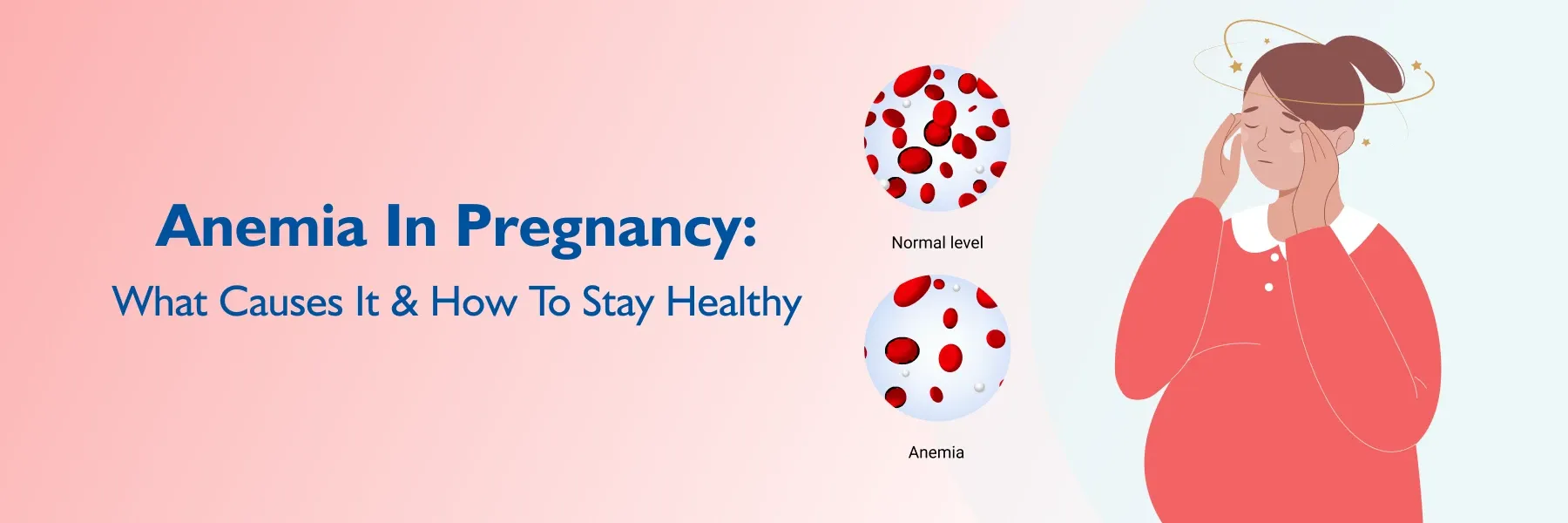
Anemia refers to a condition where there's a decrease in red blood cells, and it's particularly common during pregnancy. This condition can affect both the mother and the fetus, leading to various health challenges if not properly managed.
Get a second opinion from trusted experts and makeconfident, informed decisions.
Get Second OpinionNot sure where to start?
Talk to a patient care advisor — free, confidential, 24/7. We'll match you to the right specialist and book your appointment in minutes.
Causes of Anemia During Pregnancy
Several factors can cause anemia in pregnancy:
- Poor Nutrition: Inadequate intake of essential nutrients like iron, folic acid, and vitamin B12.
- Gastrointestinal Disorders: Conditions such as inflammatory bowel disease can impair nutrient absorption.
- Excessive Blood Loss: Occurring due to complications like placental abnormalities or miscarriages.
- Chronic Diseases: Conditions like chronic kidney disease or autoimmune disorders can contribute.
- Multiple Pregnancies and pregnancies with short intervals between them also increase the risk.
Types of Anemia in Pregnancy
The most common types include:
- Iron Deficiency Anemia: This results from insufficient iron, which is essential for red blood cell production.
- Folate Deficiency Anemia: Caused by low levels of folic acid, crucial for fetal development.
- Vitamin B12 Deficiency: Known as pernicious anemia, impacting nerve function and red blood cell production.
How Can You Detect Anemia in Pregnancy?
Watch out for the below signs and symptoms to detect anemia in Pregnancy
- Dizziness
- Generalized weakness
- Tiredness
- Pale Skin
- Cold hands and feet
- Chest pain
- Chewing Ice
- Irregular Heartbeat
Severity Levels of Anemia
Anemia severity is classified based on hemoglobin levels:
- Mild: Hemoglobin levels between 9–10.9 g/dL
- Moderate: Between 7–8.9 g/dL
- Severe: Less than 7 g/dL
Complications of Anemia in Pregnancy
- Increased risk of preterm birth: Anemic mothers may have a higher likelihood of delivering prematurely.
- Low birth weight: Babies born to anemic mothers may have lower birth weights, which can pose health risks.
- Maternal fatigue and weakness: Anemia can cause persistent tiredness and weakness in pregnant women, affecting daily activities.
- Increased risk of postpartum depression: Anemic mothers may be more prone to postpartum depression after childbirth.
- Delayed fetal growth: Severe anemia can hinder proper fetal development and growth in the womb.
- Cardiovascular complications: Severe anemia can strain the heart, leading to palpitations, shortness of breath, and other cardiovascular issues.
- Infections: Anemic women may be more susceptible to infections during pregnancy.
- Increased risk of blood transfusion during delivery: In severe cases, anemic mothers may require a blood transfusion to manage blood loss during childbirth.
What are the Treatment Options for Anemia Based on Severity?
The treatment options for anemia are based on grading and severity.
In mild to Moderate patients, the following are generally prescribed:
- Iron Supplements: Iron deficiency is one of the main causes of anemia during Pregnancy. To raise your iron levels, your doctor may prescribe iron supplements.
- Nutrition Improvements: Consume foods high in iron, such as fish, poultry, red meat, beans, lentils, fortified cereals, and leafy green vegetables. Iron absorption can be improved by combining these diets with foods high in vitamin C, such as citrus fruits.
- Vitamin B12 Supplements: Supplements may be recommended if a vitamin B12 deficiency causes anemia.
- Supplements with Folic Acid: Folic acid is essential for the synthesis of red blood cells. Your doctor might suggest folic acid supplements in addition to iron.
In Severe Cases:
- Intravenous Iron Therapy: This treatment option may be suggested in severe cases or when oral supplements are not well tolerated.
- Blood Transfusion: To quickly replenish red blood cells, a blood transfusion may be required in the most severe forms of anaemia.
Dietary Recommendations for Anemia During Pregnancy
To boost iron, vitamin B12, and folic acid levels in the body, make sure you intake the following foods.
- Include iron-rich foods like lean meats, fish, poultry, beans, lentils, fortified cereals, and leafy greens.
- Consume foods high in vitamin B12, such as dairy, eggs, and fortified cereals.
- Ensure adequate intake of folic acid through fortified cereals, leafy greens, and citrus fruits.
Supplements and Lifestyle With Anemia in Pregnancy
- Begin taking iron and folic acid supplements early in pregnancy or before conception, as recommended.
- Stay hydrated to manage constipation, a common side effect of iron supplements.
- Maintain a healthy lifestyle with regular prenatal care, moderate exercise as advised, and manage morning sickness effectively.
Conclusion
Managing anemia during pregnancy involves early detection, proper treatment, and maintaining overall health. With appropriate care and nutrition, expecting mothers can ensure a healthy pregnancy journey for themselves and their babies.
Your health is everything - prioritize your well-being today.
Schedule Your AppointmentFrequently Asked Questions
Low blood levels of red blood cells, or hemoglobin, during pregnancy are known as anemia. This disease decreases the amount of oxygen delivered to tissues and organs.
Anemia is quite common in pregnancy, affecting around 15-20% of pregnant women globally.
Iron, folate, and vitamin B12 deficiencies are the most frequent causes of anemia in pregnancy.
Symptoms may include fatigue, weakness, pale skin, dizziness, shortness of breath, and rapid heartbeat.
Anemia in pregnancy is typically diagnosed through blood tests that measure hemoglobin levels and red blood cell counts.
Untreated anemia in pregnancy can lead to complications such as preterm birth, low birth weight, and postpartum depression.
Treatment for anemia in pregnancy often involves iron supplementation, dietary changes, and, in some cases, vitamin B12 or folate supplements.
Eating foods high in iron, such beans, lentils, fish, poultry, and leafy greens, can help prevent and treat anemia during pregnancy.
- Cardiology
- Case Studies
- Dermatology
- Endocrinology
- ENT
- Fertility
- Gastroenterology
- General
- General-Medicine
- Gynecology
- Hematology
- Infectious-Diseases
- Medical News
- Neurology
- Oncology
- Ophthalmology
- Orthopedics
- Pediatrics
- Procedure
- Public-Health
- Pulmonology
- Radiology
- Second Opinion
- Urology
- Wellness
- Woman-and-child
Related Blogs
Still have questions? Speak with our experts now!
040-68334455


