 Call
Call Patient Reports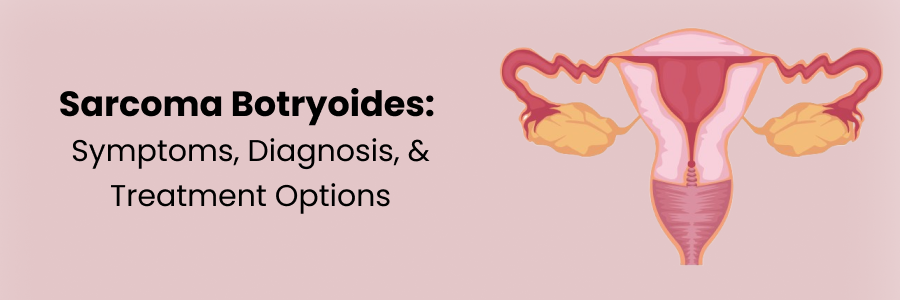
- 3759
- 3.5 Minute
Sarcoma Botryoides: Symptoms, Diagnosis & Treatment
sarcoma botryoides can be a frightening diagnosis for both parents and children. How does this rare cancer impact daily life and what can be done to manage it?
Sarcoma botryoides, also known as embryonal rhabdomyosarcoma, is a rare form of soft tissue cancer that typically affects children, especially in the vaginal area. Understanding the symptoms, the diagnostic process, and the available treatment options is crucial for addressing this condition effectively.
What are the Symptoms of Sarcoma Botryoides?
The symptoms of sarcoma botryoides can vary depending on the location of the tumor. In cases of vaginal sarcoma in children, common symptoms may include:
- Abnormal vaginal bleeding
- Bulging or mass in the vaginal area
- Pain or discomfort in the pelvic region
- Urinary symptoms such as frequent urination
It's essential to consult a healthcare provider if any of these symptoms are observed, especially in pediatric patients.
Get a second opinion from trusted experts and makeconfident, informed decisions.
Get Second OpinionNot sure where to start?
Talk to a patient care advisor — free, confidential, 24/7. We'll match you to the right specialist and book your appointment in minutes.
How is the Diagnosis of Embryonal Rhabdomyosarcoma Confirmed?
Diagnosing sarcoma botryoides typically involves a combination of physical examinations, imaging tests like MRI or CT scans, and biopsy of the suspicious tissue. In the case of pediatric vaginal tumors, a healthcare provider may also recommend additional tests to determine the extent of the cancer and plan the appropriate treatment.
In some instances, genetic testing may be conducted to understand the specific characteristics of the tumor, helping to tailor the treatment plan accordingly.
What are the Treatment Options for Botryoid Sarcoma?
The treatment approach for sarcoma botryoides often involves a multidisciplinary team of specialists, including pediatric oncologists, surgeons, and radiation oncologists. Common treatment options may include:
- Chemotherapy: To shrink the tumor before surgery or to target any remaining cancer cells.
- Surgery: To remove the tumor and surrounding tissues, aiming for complete resection.
- Radiation therapy: To kill any remaining cancer cells post-surgery.
Depending on the stage and location of the tumor, the healthcare team will develop a personalized treatment plan to provide the best possible outcome for the patient.
What You Need to Know About Pediatric Gynecologic Tumors
For pediatric gynecologic tumors, such as sarcoma botryoides, early diagnosis and early treatment is crucial to better outcome. Close follow-ups and monitoring are crucial for monitoring the response to treatment and dealing wed with any possible side effects.
Caregivers and providers should collaborate to help the young patient navigate through the treatment process.
Your health is everything - prioritize your well-being today.
Schedule Your AppointmentIn Conclusion
Sarcoma botryoides or ERM poses a special challenge, particularly in children. Being aware of the symptoms, making a prompt diagnosis, and searching for the available treatment alternatives are the key elements for the successful management of this condition. With awareness, education, and support from a professional medical team, patients and their loved ones can reinforce themselves to get through the labyrinth of sarcoma botryoides.
Frequently Asked Questions
Sarcoma botryoides is a rare embryonal rhabdomyosarcoma, typically affecting infants and young children. It arises in soft tissues of mucosal-lined organs like the vagina, cervix, or bladder and often presents as a grape-like cluster.
Symptoms depend on tumor location and may include abnormal vaginal bleeding, a palpable mass, pelvic pain, and unusual discharge. Occasionally, compression of nearby structures leads to urinary or bowel difficulties.
Diagnosis is made using imaging techniques such as ultrasound, MRI, or CT scans to locate the tumor, followed by a biopsy for histopathological examination, which confirms its embryonal rhabdomyosarcoma characteristics.
Treatment usually involves a multidisciplinary approach, including surgical excision of the tumor, chemotherapy to eliminate cancer cells, and sometimes radiation therapy. The plan depends on the tumor's size, location, and stage.
With early and aggressive treatment, the prognosis for children with sarcoma botryoides is generally favorable. Outcomes depend on tumor stage and response to therapy, though long-term monitoring is critical to detect any recurrence.
- Cardiology
- Case Studies
- Dermatology
- Endocrinology
- ENT
- Fertility
- Gastroenterology
- General
- General-Medicine
- Gynecology
- Hematology
- Infectious-Diseases
- Medical News
- Neurology
- Oncology
- Ophthalmology
- Orthopedics
- Pediatrics
- Procedure
- Public-Health
- Pulmonology
- Radiology
- Second Opinion
- Urology
- Wellness
- Woman-and-child
Related Blogs
Still have questions? Speak with our experts now!
040-68334455


