 Call
Call Patient Reports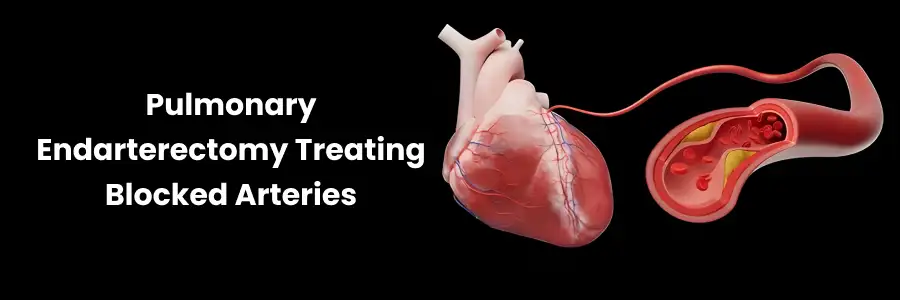
- 3759
- 3.5 Minute
Pulmonary Endarterectomy for Blocked Arteries
Are you struggling with breathing difficulties or chest pain that limits your daily activities? Pulmonary Endarterectomy could be the solution you've been searching for. This surgical procedure is specifically designed to address blocked arteries in the lungs, providing relief and improving your quality of life. Let's explore how Pulmonary Endarterectomy can help you breathe easier and regain your vitality.
Get a second opinion from trusted experts and makeconfident, informed decisions.
Get Second OpinionNot sure where to start?
Talk to a patient care advisor — free, confidential, 24/7. We'll match you to the right specialist and book your appointment in minutes.
What is Pulmonary Hypertension Surgery?
When medications are not enough to manage pulmonary hypertension, surgery may be necessary. Pulmonary Endarterectomy is a specialized surgical procedure aimed at removing chronic blood clots from the pulmonary arteries, reducing pulmonary hypertension, and improving heart function. Here's how the surgery is performed:
- The patient is placed under general anesthesia to ensure comfort and safety during the procedure.
- A heart-lung bypass machine is used to divert blood flow away from the heart, allowing the surgeon to operate on the lungs.
- The surgeon carefully removes the obstructing blood clots from the pulmonary arteries, restoring proper blood flow.
This surgery can significantly alleviate the symptoms of pulmonary hypertension and enhance overall heart health.
Endarterectomy Procedure
The Pulmonary Endarterectomy procedure involves meticulous steps to ensure the best possible outcome for the patient. Here's a detailed look at the key stages of the surgery:
- The surgical team makes an incision in the chest to access the pulmonary arteries.
- Specialized tools are used to carefully extract the hardened blood clots blocking the arteries.
- The surgeon meticulously clears out the affected arteries, ensuring optimal blood flow post-surgery.
By following these precise steps, Pulmonary Endarterectomy effectively clears the path for improved lung function and enhanced overall well-being.
Treatment for Pulmonary Embolism
Pulmonary Endarterectomy is a vital treatment option for individuals suffering from chronic thromboembolic pulmonary hypertension, a condition often caused by unresolved blood clots in the lungs. By undergoing this surgery, patients can expect:
- Relief from debilitating symptoms like shortness of breath and chest pain.
- Improved exercise tolerance and quality of life.
- Reduced risk of complications related to pulmonary embolism.
Choosing Pulmonary Endarterectomy as a treatment for pulmonary embolism can lead to a significant enhancement in overall health and well-being.
Pulmonary Artery Surgery
Patients undergoing Pulmonary Endarterectomy may wonder about the recovery process after the surgery. It is essential to understand what to expect post-operation to ensure a smooth and successful recovery. Here are key points regarding the recovery phase:
- Patients are closely monitored in the intensive care unit immediately after surgery for optimal care and observation.
- Physical therapy and breathing exercises are initiated to aid in lung expansion and prevent complications like pneumonia.
- Follow-up appointments with the medical team are crucial to track progress and address any concerns during the recovery period.
By following the recommended post-operative care guidelines, patients can achieve a full and healthy recovery following Pulmonary Endarterectomy.
Recovery After Pulmonary Endarterectomy
After undergoing Pulmonary Endarterectomy, patients can look forward to a gradual improvement in their symptoms and overall well-being. Here are some essential aspects of the recovery process:
- Patients may experience a significant reduction in symptoms like shortness of breath and fatigue within the first few weeks post-surgery.
- A structured rehabilitation program may be recommended to aid in physical recovery and enhance lung function.
- Regular follow-up appointments with the medical team are essential to monitor progress and address any concerns that may arise.
With dedication to post-operative care and a positive outlook, patients can experience a successful recovery and a significant enhancement in their quality of life after Pulmonary Endarterectomy.
Your health is everything - prioritize your well-being today.
Schedule Your AppointmentConclusion
In conclusion, Pulmonary Endarterectomy is a highly effective surgical intervention for treating blocked arteries in the lungs, particularly in cases of chronic thromboembolic pulmonary hypertension. This procedure not only relieves symptoms associated with pulmonary embolism but also improves overall heart function and quality of life. By understanding the process of Pulmonary Endarterectomy, patients can make informed decisions about their health and well-being, leading to a brighter and healthier future.
Frequently Asked Questions
Candidates are patients with chronic thromboembolic pulmonary hypertension (CTEPH) who have surgically accessible clots in the pulmonary arteries. They should have good overall health, adequate heart function, and no severe comorbidities that increase surgical risk.
Pulmonary endarterectomy is needed to remove blocked arteries and improve blood flow, vital for treating pulmonary hypertension.
Risks of pulmonary endarterectomy include bleeding, infection, and risks associated with anesthesia. It is essential to discuss these with your healthcare team.
Pulmonary Endarterectomy has a high success rate, with over 90% of patients experiencing significant symptom relief and improved heart function. Long-term survival rates are excellent, but success depends on proper patient selection and post-surgical care.
Yes, pulmonary endarterectomy is a curative treatment for CTEPH, offering significant relief and improved quality of life.
- Cardiology
- Case Studies
- Dermatology
- Endocrinology
- ENT
- Fertility
- Gastroenterology
- General
- General-Medicine
- Gynecology
- Hematology
- Infectious-Diseases
- Medical News
- Neurology
- Oncology
- Ophthalmology
- Orthopedics
- Pediatrics
- Procedure
- Public-Health
- Pulmonology
- Radiology
- Second Opinion
- Urology
- Wellness
- Woman-and-child
Related Blogs
Still have questions? Speak with our experts now!
040-68334455


