 Call
Call Patient Reports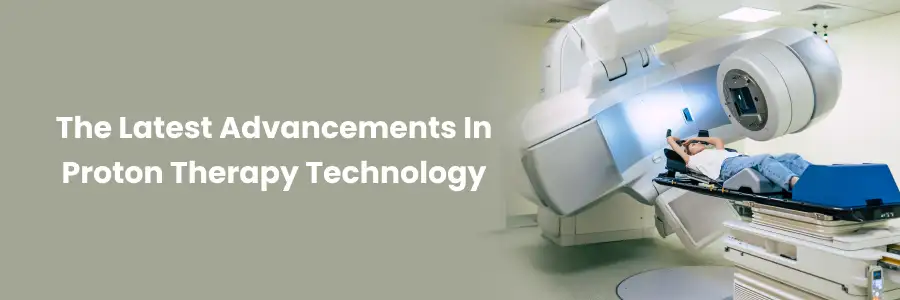
- 3759
- 3.5 Minute
The Latest Advancements in Proton Therapy Technology
Are you or a loved one battling cancer and seeking the most effective treatment options? The journey through cancer treatment can be overwhelming, and you may have questions about the latest advancements in proton therapy for cancer. How can proton therapy improve outcomes? How does it compare to traditional radiation therapy? Let's explore proton therapy to see how it can affect your daily routine and course of treatment.
Proton Beam Therapy Innovations
Proton beam therapy, also known as proton therapy, is a cutting-edge form of radiation therapy that delivers high doses of radiation to cancerous tumors while minimizing damage to surrounding healthy tissues. Recent proton beam therapy technology innovations have focused on improving treatment precision and delivery efficiency.
- Advancements in proton beam therapy machines have enhanced the ability to shape the radiation beam to conform to the unique contours of the tumor, reducing the risk of unnecessary radiation exposure to nearby organs.
- Newer proton systems now have real-time imaging capabilities, which enable course corrections in real time to adequately target the tumor and provide the best possible care.
Get a second opinion from trusted experts and makeconfident, informed decisions.
Get Second OpinionNot sure where to start?
Talk to a patient care advisor — free, confidential, 24/7. We'll match you to the right specialist and book your appointment in minutes.
Precision Radiation Treatment
Precision radiation treatment, such as proton therapy, offers a targeted approach to destroying cancer cells while preserving healthy tissues. How does this advanced technology work to benefit cancer patients?
Proton therapy delivers a precise dose of radiation to the tumor site, limiting damage to surrounding tissues and organs. This accuracy is crucial in treating tumors located near critical structures, such as the brain or spinal cord, where minimizing collateral damage is essential for maintaining quality of life.
Advances in Radiation Oncology
As the field of radiation oncology continues to evolve, so do the treatment options available to cancer patients. How have recent advances in proton therapy for cancer transformed the landscape of radiation oncology?
- Interstitial proton therapy in combination with other treatments, such as chemotherapy, and immunotherapy, has demonstrated a favorable outcome in treatment and survival of cancer patients.
- Continuing research and clinical trials are investigating how this high-precision technique can be used to treat other types of cancer, including those affecting children and those that recur, the result being that the way to tailor personalized and effective treatments is opening up.
Proton Therapy Equipment
The effectiveness of proton therapy is highly dependent on advanced equipment that can efficiently and accurately provide the doses of radiation. What are the critical elements of proton therapy equipment for success?
In order to visualize the tumor during treatment sessions, modern proton therapy facilities have installed advanced imaging tools such as MRI-guided radiation therapy and cone-beam CT.
Your health is everything - prioritize your well-being today.
Schedule Your AppointmentIn Conclusion
With state-of-the-art proton therapy, the field of radiation oncology has been transformed, giving cancer patients a non-invasive treatment option with greatly reduced side effects. As proton beam therapy and precision radiation evolve further, it seems that there is strong hope in changing the future of cancer care and patients’ quality of life.
Frequently Asked Questions
Proton therapy has advanced with improved technology, offering more precision in targeting tumors while minimizing damage to surrounding healthy tissue. Recent advances in accelerator technology, imaging systems, and treatment planning have improved its efficacy and availability, particularly in the treatment of pediatric and complicated cancer patients.
Proton therapy is particularly suitable for children – whose rapidly growing tissues and organs are especially sensitive to the effects of radiation – because its targeted approach spares healthy tissues and minimizes the risk of secondary cancers. This limits long-term side effects, such as developmental delays, hormonal problems and second cancers, making it a safer choice for children with cancer.
Proton therapy generally causes fewer side effects than traditional radiation due to its precision in delivering radiation to the tumor while sparing healthy tissue. Common side effects include fatigue, skin irritation, and localized discomfort.
Yes proton therapy does work along with other cancer treatments including surgery, chemo and regular radiation. Proton therapy in conjunction with these therapies can increase efficacy by increasing the ability to destroy tumors and avoid damaging surrounding healthy tissues, ultimately benefiting the patients.
Proton therapy improves brain tumor treatment outcomes by delivering highly focused radiation that minimizes damage to surrounding healthy brain tissue. This is crucial for preserving cognitive function and reducing side effects such as memory loss or neurological impairments, leading to better quality of life post-treatment.
- Cardiology
- Case Studies
- Dermatology
- Endocrinology
- ENT
- Fertility
- Gastroenterology
- General
- General-Medicine
- Gynecology
- Hematology
- Infectious-Diseases
- Medical News
- Neurology
- Oncology
- Ophthalmology
- Orthopedics
- Pediatrics
- Procedure
- Public-Health
- Pulmonology
- Radiology
- Second Opinion
- Urology
- Wellness
- Woman-and-child
Related Blogs
Still have questions? Speak with our experts now!
040-68334455


