 Call
Call Patient Reports
- Cardiology 84
- Dermatology 45
- Endocrinology 33
- ENT 16
- Fertility 190
- Gastroenterology 78
- General-Medicine 81
- Gynecology 80
- Hematology 19
- Infectious-Diseases 33
- Neurology 52
- Oncology 34
- Ophthalmology 23
- Orthopedics 69
- Pediatrics 31
- Procedure 23
- Public-Health 144
- Pulmonology 59
- Radiology 8
- Urology 68
- Wellness 161
- Woman-and-child 77
- 3759
- 3.5 Minute
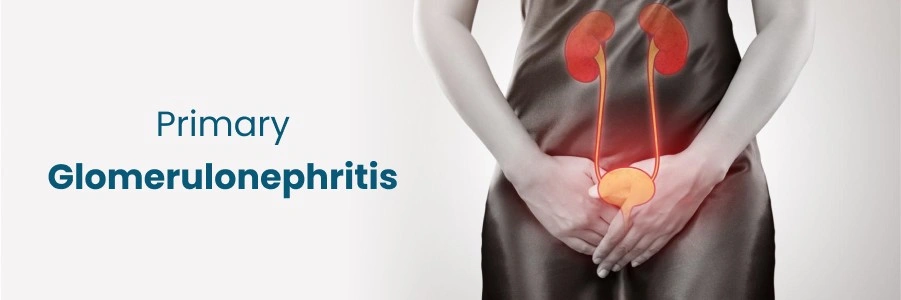
Primary Glomerulonephritis: Symptoms and Treatment
Understanding the complexities of primary glomerulonephritis (PGN) requires a multifaceted approach encompassing its etiology, clinical manifestations, diagnostic criteria, and therapeutic options. This article aims to provide an in-depth exploration of PGN, elucidating its causes, risk factors, complications, and available treatments.
Get a second opinion from trusted experts and makeconfident, informed decisions.
Get Second OpinionNot sure where to start?
Talk to a patient care advisor — free, confidential, 24/7. We'll match you to the right specialist and book your appointment in minutes.
What is Primary Glomerulonephritis?
Primary glomerulonephritis is a group of kidney diseases characterized by inflammation of the glomeruli, the tiny filtering units in the kidneys. This condition is distinguished from secondary glomerulonephritis, which is caused by systemic diseases such as diabetes or lupus.
Differences Between Primary and Secondary Glomerulonephritis
While both primary and secondary glomerulonephritis involve glomerular inflammation, the distinction lies in their etiology. Primary glomerulonephritis originates within the kidneys and is not a consequence of another underlying systemic condition. Conversely, secondary glomerulonephritis results from external systemic diseases that affect the kidneys.
Causes of Primary Glomerulonephritis
The exact etiology of primary glomerulonephritis is often idiopathic, meaning it arises spontaneously or from an obscure or unknown cause. However, several risk factors and potential triggers have been identified:
Genetic Predisposition
Genetic factors play a significant role in the development of primary glomerulonephritis. A family history of kidney disease can predispose individuals to this condition.
Autoimmune Responses
Autoimmune reactions, where the body's immune system mistakenly attacks its own tissues, are implicated in various forms of primary glomerulonephritis. Conditions such as IgA nephropathy, membranous nephropathy, and focal segmental glomerulosclerosis are examples where autoimmune mechanisms are involved.
Infections
Certain infections can trigger glomerular inflammation. Post-streptococcal glomerulonephritis is a well-known example, where a preceding streptococcal infection leads to kidney inflammation.
Environmental and Lifestyle Factors
Factors such as prolonged exposure to toxins, certain drugs, and lifestyle choices, including smoking and poor diet, can contribute to the development of primary glomerulonephritis.
Symptoms of Primary Glomerulonephritis
Primary glomerulonephritis can present with a range of symptoms, which can vary in severity. Common symptoms include:
- Hematuria (blood in urine)
- Proteinuria (excess protein in urine)
- Edema (swelling, particularly in the ankles and face)
- Hypertension (high blood pressure)
- Fatigue and weakness
- Decreased urine output
These symptoms result from the impaired filtering capability of the glomeruli, leading to the retention of waste products and fluids.
Diagnosis of Primary Glomerulonephritis
The diagnosis of primary glomerulonephritis involves a combination of clinical evaluation, laboratory tests, and imaging studies. Critical diagnostic steps include:
Urinalysis
Urinalysis can detect abnormalities such as hematuria and proteinuria, which are indicative of glomerular inflammation.
Blood Tests
Blood tests assess kidney function by measuring creatinine and blood urea nitrogen (BUN) levels. Elevated levels can indicate impaired kidney function.
Imaging Studies
Imaging techniques such as ultrasound and CT scans help visualize kidney structure and detect any abnormalities.
Kidney Biopsy
A kidney biopsy, where a small sample of kidney tissue is examined under a microscope, is often required to confirm the diagnosis and determine the specific type of glomerulonephritis.
Treatment Options for Primary Glomerulonephritis
The treatment of primary glomerulonephritis aims to control symptoms, prevent complications, and slow disease progression. Treatment options vary depending on the underlying cause and severity of the condition.
Medications
- Immunosuppressants: These drugs, including corticosteroids and cytotoxic agents, help reduce inflammation and suppress the immune response.
- Antihypertensives: Medications such as ACE inhibitors and ARBs help control blood pressure and reduce proteinuria.
- Diuretics: These are used to manage edema by promoting the excretion of excess fluids.
Lifestyle Modifications
- Dietary Changes: A low-sodium, low-protein diet can help manage symptoms and reduce the burden on the kidneys.
- Smoking Cessation: Quitting smoking can improve overall kidney health and reduce disease progression.
Dialysis and Transplantation
In advanced cases where kidney function is severely impaired, dialysis or kidney transplantation may be necessary. Dialysis helps remove waste products and excess fluids from the blood, while a kidney transplant can provide a long-term solution.
Complications of Primary Glomerulonephritis
Untreated or poorly managed primary glomerulonephritis can lead to several complications, including:
Chronic Kidney Disease (CKD)
Persistent glomerular inflammation can lead to chronic kidney disease, characterized by gradual loss of kidney function over time.
Acute Kidney Injury (AKI)
Acute kidney injury can occur suddenly, leading to a rapid decline in kidney function. This requires immediate medical attention.
Hypertension
High blood pressure is both a symptom and a complication of primary glomerulonephritis, which can further damage the kidneys and other organs.
Nephrotic Syndrome
Nephrotic syndrome is a condition characterized by severe proteinuria, hypoalbuminemia, and edema. It results from significant damage to the glomeruli.
Prognosis and Management of Primary Glomerulonephritis
The prognosis of primary glomerulonephritis varies widely based on the specific type, severity, and response to treatment. Early diagnosis and appropriate management are crucial in improving outcomes.
Regular Monitoring
Regular follow-up with a nephrologist is essential for monitoring kidney function, blood pressure, and overall health.
Adherence to Treatment
Strict adherence to prescribed medications and lifestyle modifications is vital to controlling symptoms and preventing complications.
Patient Education
Educating patients about their condition, treatment options, and the importance of lifestyle changes can empower them to take an active role in managing their health.
Your health is everything - prioritize your well-being today.
Schedule Your AppointmentConclusion
Primary glomerulonephritis is a complex condition with diverse causes, symptoms, and treatment options. Understanding its intricacies is essential for effective management and improving patient outcomes. By recognizing the risk factors, symptoms, and available treatments, patients and healthcare providers can work together to navigate the challenges posed by this kidney disease.
Frequently Asked Questions
There is no specific cure for primary glomerulonephritis, but with appropriate treatment, many patients can manage the condition and prevent further kidney damage.
Symptoms may include blood in the urine, proteinuria (excess protein in urine), swelling (edema), high blood pressure, and decreased urine output.
Diagnosis typically involves urine tests, blood tests, imaging studies, and sometimes a kidney biopsy to evaluate the extent of kidney damage.
Causes can include infections, autoimmune diseases, or unknown reasons. Specific types include minimal change disease, focal segmental glomerulosclerosis, and membranous nephropathy.
Treatment depends on the underlying cause and may include medications such as corticosteroids, immunosuppressants, and antihypertensives. Lifestyle changes and dietary modifications might also be recommended.
- Cardiology
- Case Studies
- Dermatology
- Endocrinology
- ENT
- Fertility
- Gastroenterology
- General
- General-Medicine
- Gynecology
- Hematology
- Infectious-Diseases
- Medical News
- Neurology
- Oncology
- Ophthalmology
- Orthopedics
- Pediatrics
- Procedure
- Public-Health
- Pulmonology
- Radiology
- Second Opinion
- Urology
- Wellness
- Woman-and-child
Related Blogs
Still have questions? Speak with our experts now!
040-68334455


