 Call
Call Patient Reports
- Cardiology 84
- Dermatology 45
- Endocrinology 33
- ENT 16
- Fertility 190
- Gastroenterology 78
- General-Medicine 81
- Gynecology 80
- Hematology 19
- Infectious-Diseases 33
- Neurology 52
- Oncology 34
- Ophthalmology 23
- Orthopedics 69
- Pediatrics 31
- Procedure 23
- Public-Health 144
- Pulmonology 59
- Radiology 8
- Urology 68
- Wellness 161
- Woman-and-child 77
- 3759
- 3.5 Minute
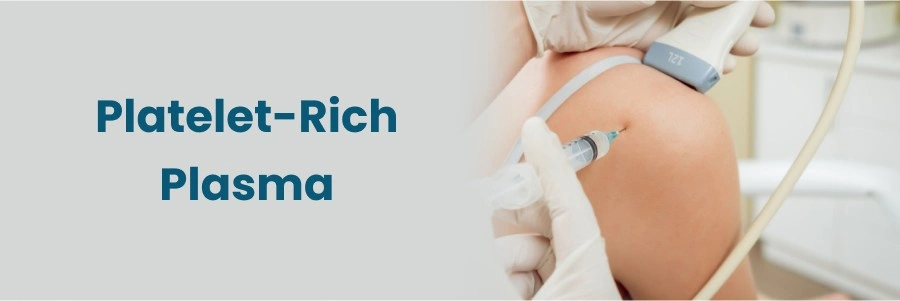
Platelet-Rich Plasma (PRP) Therapy for Women
Benefits of Platelet-Rich Plasma (PRP) Therapy for Women. Platelet-Rich Plasma (PRP) therapy has emerged as a revolutionary treatment modality in various medical and cosmetic fields. This therapy utilizes the body's own plasma, rich in platelets, to accelerate healing and rejuvenation.
Get a second opinion from trusted experts and makeconfident, informed decisions.
Get Second OpinionNot sure where to start?
Talk to a patient care advisor — free, confidential, 24/7. We'll match you to the right specialist and book your appointment in minutes.
What is Platelet-Rich Plasma (PRP) Therapy?
Platelet-Rich Plasma (PRP) therapy involves extracting a small amount of the patient's blood, processing it to concentrate the platelets, and then re-injecting this enriched plasma into specific areas of the body. Platelets are known for their role in clotting blood, but they also contain growth factors that promote tissue repair and regeneration.
The Science Behind PRP
The preparation of PRP involves centrifugation, which separates the plasma and platelets from other blood components. The resulting concentration of platelets is significantly higher than that found in regular blood, making PRP a potent source of healing and growth factors.
These factors include Platelet-Derived Growth Factor (PDGF), Transforming Growth Factor (TGF), and Vascular Endothelial Growth Factor (VEGF), all of which play critical roles in tissue repair and regeneration.
Applications of PRP Therapy for Women
PRP for Hair Loss
One of the most popular applications of PRP therapy is in the treatment of hair loss. Women suffering from androgenic alopecia or thinning hair can benefit significantly from PRP injections. The growth factors in PRP stimulate hair follicles, promoting new hair growth and improving hair density.
How PRP Works for Hair Loss
The procedure involves injecting PRP directly into the scalp where hair thinning is evident. Over a series of treatments, patients typically notice a reduction in hair loss and an increase in hair thickness. Clinical studies have shown promising results, with many patients experiencing substantial improvements in hair density and quality.
PRP for Skin Rejuvenation
PRP therapy is also widely used for skin rejuvenation. The growth factors in PRP stimulate collagen production, enhance skin elasticity, and improve overall skin texture. This makes it an excellent treatment for reducing wrinkles, fine lines, and other signs of ageing.
The Vampire Facial
The "Vampire Facial" is a popular cosmetic procedure that combines micro-needling with PRP therapy. The micro-needling process creates tiny punctures in the skin, allowing the PRP to penetrate deeper and work more effectively. Patients often report a more youthful, glowing complexion after undergoing this treatment.
PRP for Musculoskeletal Injuries
Women who suffer from musculoskeletal injuries, such as tendinitis or ligament sprains, can benefit from PRP injections. The growth factors in PRP accelerate the healing process, reduce inflammation, and improve overall function.
The PRP Therapy Procedure
The PRP therapy procedure is relatively straightforward but requires precision and expertise.
Step-by-Step Process
- Blood Draw: A small amount of blood is drawn from the patient, typically from the arm.
- Centrifugation: The blood is placed in a centrifuge, which spins it at high speeds to separate the plasma and platelets from other blood components.
- Preparation: The concentrated platelet-rich plasma is prepared for injection.
- Injection: The PRP is injected into the targeted area using fine needles.
Post-Procedure Care
Patients are advised to avoid strenuous activities and exposure to sunlight immediately after the procedure. Mild swelling and redness at the injection site are common but typically subside within a few days.
Safety and Efficacy of PRP Therapy
PRP therapy is considered safe since it uses the patient's blood, minimizing the risk of allergic reactions or infections. However, it's crucial to have the procedure performed by a qualified medical professional to ensure optimal results and minimize potential risks.
Cost and Accessibility of PRP Therapy
The cost of PRP therapy can vary widely depending on the application, geographic location, and the expertise of the medical professional performing the procedure.
Insurance Coverage
Most insurance companies do not cover PRP therapy as it is often considered an elective or cosmetic procedure. However, patients should consult with their insurance providers to determine if any part of the treatment might be covered.
Your health is everything - prioritize your well-being today.
Schedule Your AppointmentConclusion
Platelet-Rich Plasma (PRP) therapy offers a promising and versatile treatment option for women seeking solutions for hair loss, skin rejuvenation, and musculoskeletal injuries. The science-backed benefits, coupled with its safety profile, make it an attractive option for those looking to harness the body's natural healing mechanisms. As with any medical procedure, it is essential to consult with a qualified healthcare provider to determine if PRP therapy is the right choice for your specific needs.
Frequently Asked Questions
PRP therapy is a medical treatment that uses components of your own blood, specifically platelets, to promote healing and rejuvenation in various tissues.
PRP therapy involves drawing a small amount of your blood, processing it to concentrate the platelets, and then injecting the PRP into the targeted area to stimulate healing and regeneration.
Benefits of PRP therapy for women can include improved skin texture and tone, hair regrowth, and enhanced healing of injuries or surgical sites.
PRP therapy is generally considered safe, as it uses your own blood, minimizing the risk of allergic reactions or transmission of diseases.
The number of PRP sessions varies depending on the condition being treated and individual response, but typically 3 to 4 sessions spaced a few weeks apart are recommended.
- Cardiology
- Case Studies
- Dermatology
- Endocrinology
- ENT
- Fertility
- Gastroenterology
- General
- General-Medicine
- Gynecology
- Hematology
- Infectious-Diseases
- Medical News
- Neurology
- Oncology
- Ophthalmology
- Orthopedics
- Pediatrics
- Procedure
- Public-Health
- Pulmonology
- Radiology
- Second Opinion
- Urology
- Wellness
- Woman-and-child
Related Blogs
Still have questions? Speak with our experts now!
040-68334455


