 Call
Call Patient Reports
- Cardiology 84
- Dermatology 45
- Endocrinology 33
- ENT 16
- Fertility 190
- Gastroenterology 78
- General-Medicine 81
- Gynecology 80
- Hematology 19
- Infectious-Diseases 33
- Neurology 52
- Oncology 34
- Ophthalmology 23
- Orthopedics 69
- Pediatrics 31
- Procedure 23
- Public-Health 144
- Pulmonology 59
- Radiology 8
- Urology 68
- Wellness 161
- Woman-and-child 77
- 3759
- 3.5 Minute
Pregnancy with Low Ovarian Reserve
1. Delayed Parenthood and Fertility Treatment
- Many couples are delaying starting a family due to career and financial considerations, thanks to the availability of fertility treatments.
- This shift allows for planned parenthood and reduces the anxiety around infertility.
2. Age and Fertility Challenges
- Women starting family planning later, often in their 30s or 40s, may face difficulties due to age-related fertility decline.
- Conceiving naturally becomes harder, and fertility treatments may be necessary after years of trying.
3. Impact of Aging on Egg Quality and Quantity
- As women age, the quality and quantity of eggs decline, making conception more challenging.
- The quality of eggs is crucial for a successful pregnancy, and older women may require medical assistance to conceive.
Get a second opinion from trusted experts and makeconfident, informed decisions.
Get Second OpinionNot sure where to start?
Talk to a patient care advisor — free, confidential, 24/7. We'll match you to the right specialist and book your appointment in minutes.
4. Possibility of Pregnancy at Older Ages
- Despite age-related challenges, medical advancements offer older women options to conceive through assisted reproductive technologies.
- With patience and medical support, older women can still achieve pregnancy and have children.
How to Get Pregnant with Low Ovarian Reserve
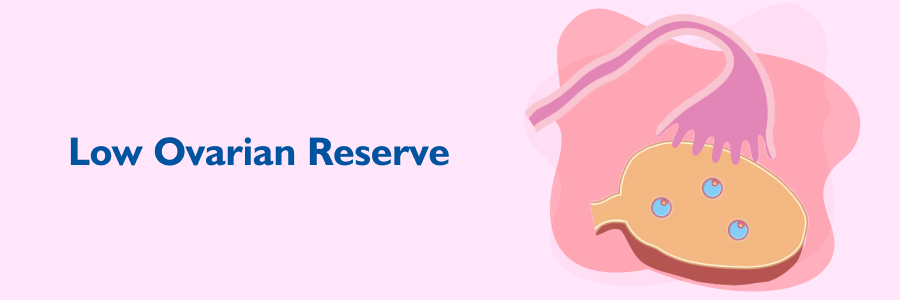
Ovarian reserve refers to the number of eggs present in a woman's ovaries. These eggs are crucial as they have the potential to be fertilized and develop into embryos.
1. Egg Development and Lifecycle
- A female is born with approximately 2 million eggs, which steadily decrease over time.
- During puberty, about 5 eggs begin to mature in the ovaries each menstrual cycle.
- Typically, only one egg fully matures and is released for potential fertilization during ovulation.
2. Fertility and Menopause
- The reproductive cycle continues until all eggs are used, signalling menopause.
- A woman's fertile years span from puberty until menopause, marking the end of reproductive capability.
Reduced Ovarian Reserve and Fertility After 45
1. Reduced Ovarian Reserve
- Some women experience a reduced ovarian reserve, indicating a limited number of eggs in their ovaries.
- Natural menopause typically occurs in the late 50s or early 60s when ovarian reserve is depleted.
- Early depletion can lead to menopause in the late 40s or early 50s, causing infertility due to insufficient healthy eggs.
2. Impact of Low Ovarian Reserve
- Low ovarian reserve often leads to infertility, requiring fertility treatments like IVF (In Vitro Fertilization).
- IVF has significantly improved success rates for women with low ovarian reserve, offering hope for conception despite diminished fertility.
3. Fertility Challenges After Age 45
- Women over 45 face challenges such as poor egg quality and decreased ovarian reserve.
- Despite these challenges, advancements in medical science, particularly IVF, have made it feasible for women in this age group to conceive, even if they have not previously had children.
4. Advancements in Fertility Treatments
- Medical advancements have revolutionized fertility options, making childbirth after 45 a viable choice for many women.
- IVF procedures are effective in helping women conceive later in life, overcoming previous beliefs about age-related fertility limitations.
Checking Ovarian Reserve
1. Importance of Checking Ovarian Reserve
- Before undergoing ovarian stimulation or fertility treatments, it's crucial to assess ovarian reserve, especially for women over 40.
- This assessment helps tailor hormone medication dosage for effective ovarian stimulation.
2. Methods to Assess Ovarian Reserve
-
Antral Follicle Count Test
- Conducted via transvaginal ultrasound to count visible antral follicles.
- Provides insight into ovarian reserve based on follicle count.
-
AMH (Anti-Mullerian Hormone) Level Test
- A blood test to measure AMH levels, indicating ovarian reserve.
- Low AMH levels suggest diminished ovarian reserve.
-
Day 3 FSH and Estradiol Test
- Measures FSH levels on the 3rd day of the menstrual cycle.
- Elevated FSH levels indicate reduced ovarian reserve.
3. Limitations of Ovarian Reserve Tests
- While tests indicate ovarian reserve levels, they do not assess egg quality or exact quantity.
- The quality of eggs cannot be accurately determined by ovarian reserve tests alone; age is a more reliable indicator of egg quality.
4. Poor Ovarian Responders
- Defined as women who respond poorly to ovarian stimulation during fertility treatments like IVF.
- Response to hormone injections determines egg production; poor responders may yield fewer eggs.
5. Conceiving at the Onset of Menopause
- Despite menopausal symptoms, women can still conceive if eggs remain in their ovaries.
- Stimulating ovaries with medication can help mature existing eggs for fertility treatment.
6. Case Study: Rekha's Experience
- Rekha, diagnosed with reduced ovarian reserve at 44, sought fertility treatment at Medicover Fertility Clinic.
- Despite initial challenges, IVF with ICSI resulted in successful embryo transfer and pregnancy.
7. Conceiving After Menopause
- While rare, conception post-menopause relies on preserved or retrieved eggs of good quality.
- Hormone therapy prepares the uterus for embryo implantation in older women.
8. Egg Retrieval Process
- Involves sedation for comfort; eggs are retrieved using a specialized syringe under laparoscopic guidance.
- Higher egg yield increases the chances of successful fertilization and embryo formation.
9. Donor Egg Option
- When a woman's eggs are of poor quality, donor eggs may be recommended.
- Donor matching ensures similarities in features and background between the donor and recipient.
Your health is everything - prioritize your well-being today.
Schedule Your AppointmentFertility Solutions With Poor Ovarian Reserve
Fertility solutions for poor ovarian reserve like IVF with embryo pooling and blastocyst culture at Fertility Clinic offer hope and success in achieving parenthood with advanced care and technology.
Frequently Asked Questions
It is likely that the test result of the ovarian reserve test was inaccurate. It is advisable to get a test done at a reputed fertility clinic. During your next egg retrieval have the extra embryos frozen for future use in case your IVF cycle is not successful.
It is likely that you may start menopause sooner than most other women.
I would recommend that you have your eggs frozen. This will give you 10 years in which to use them and will safeguard you against a decline in your ovarian reserve.
Unfortunately, ovarian reserve is predetermined at birth, and once you lose your eggs, your body will not produce any new eggs.
There is no known method to improve egg quality and similarly, there is no way to say for certain that your egg quality is poor. Try IVF treatment at a reputed fertility clinic for better IVF success.
Low ovarian reserve means reduced egg quantity. This, as a result, leads to difficulty conceiving.
Getting pregnant with low ovarian reserve although difficult is not impossible. IVF treatment for women based on low ovarian reserve symptoms is known to considerably improve conception chances in women.
IUI is a form of fertility treatment, in which sperm is injected inside the uterus, to reduce the travel time of sperm and help treat men facing infertility. Hence, Low ovarian reserve and iui treatment is not known to be the best treatment.
Although ovarian reserve can’t be improved as it diminishes with age, however, it can be sustained with healthy lifestyle, eating habits and regular exercises.
Although, low ovarian reserve natural conception chances are low, however if the ovaries are able to release good quality egg, the possibility if conception considerably increases.
- Cardiology
- Case Studies
- Dermatology
- Endocrinology
- ENT
- Fertility
- Gastroenterology
- General
- General-Medicine
- Gynecology
- Hematology
- Infectious-Diseases
- Medical News
- Neurology
- Oncology
- Ophthalmology
- Orthopedics
- Pediatrics
- Procedure
- Public-Health
- Pulmonology
- Radiology
- Second Opinion
- Urology
- Wellness
- Woman-and-child
Related Blogs
Still have questions? Speak with our experts now!
040-68334455


