 Call
Call Patient Reports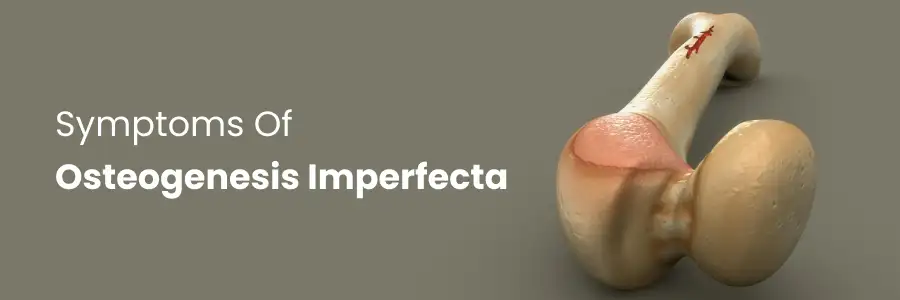
- 3852
- 3.5 Minute
Common Symptoms of Osteogenesis Imperfecta
Osteogenesis Imperfecta (OI), also known as brittle bone disease, is a genetic disorder characterized by fragile bones that break easily. This condition affects people differently, with some experiencing only a few fractures in a lifetime and others having hundreds. Understanding the common symptoms of osteogenesis imperfecta can help in early diagnosis and management. This article will explore the signs, types, and symptoms of OI, along with available treatments and diagnostic methods.
What is Osteogenesis Imperfecta?
Osteogenesis Imperfecta is a genetic disorder that affects the body's ability to produce strong bones. The condition is caused by mutations in the genes responsible for making collagen, a protein that is crucial for bone strength. As a result, individuals with OI have bones that break easily, often with little or no apparent cause.
Get a second opinion from trusted experts and makeconfident, informed decisions.
Get Second OpinionNot sure where to start?
Talk to a patient care advisor — free, confidential, 24/7. We'll match you to the right specialist and book your appointment in minutes.
Signs and Symptoms of Osteogenesis Imperfecta
Osteogenesis Imperfecta (OI), also known as brittle bone disease, is a genetic condition that affects bone strength. The symptoms can vary depending on the severity and the stage of life.
Osteogenesis Imperfecta Symptoms in Utero
In some cases, OI can be detected before birth during an ultrasound scan. Common Osteogenesis Imperfecta symptoms in utero include:
- Shortened or bowed limbs
- Fractures occurring before birth
- Underdeveloped ribs leading to breathing difficulties
- Reduced fetal movements due to weak bones
- In severe cases, risk of stillbirth
Osteogenesis Imperfecta Symptoms in Pregnancy
For women with OI, pregnancy may bring certain challenges due to increased bone fragility. Osteogenesis Imperfecta symptoms in pregnancy include:
- Higher risk of fractures, especially in the spine and hips
- Joint pain and stiffness
- Difficulty in mobility due to weak bones
- Breathing issues caused by rib cage abnormalities
Osteogenesis Imperfecta Symptoms in Infants and Babies
Newborns and young children with OI often show signs early on. Osteogenesis Imperfecta symptoms in infants and babies include:
- Frequent fractures even with minor movements
- Soft skull and weak muscle tone
- Bowed legs and slow physical development
- Bluish tint in the whites of the eyes (blue sclera)
- Breathing problems due to weak rib bones
Osteogenesis Imperfecta Symptoms in Adults
As individuals grow older, symptoms may continue or worsen. Osteogenesis Imperfecta symptoms in adults include:
Types of Osteogenesis Imperfecta
There are several types of OI, each varying in severity and symptoms. The most common types are:
Type I
Type I is the mildest form of OI. Individuals with Type I OI typically have fewer fractures and may have an average lifespan. However, they may experience muscle weakness, joint laxity, and hearing loss.
Type II
Type II is the most severe form of OI and is often fatal shortly after birth. Babies born with Type II OI have multiple fractures, severe bone deformities, and underdeveloped lungs.
Type III
Type III OI is characterized by severe bone deformities and frequent fractures that can occur before birth. Individuals with Type III may have a shorter lifespan and experience significant physical challenges.
Type IV
Type IV OI is moderate in severity. People with Type IV OI have bones that fracture easily, but the condition is not as severe as Type III. They may have shorter stature and mild to moderate bone deformities.
Diagnosing Osteogenesis Imperfecta
Osteogenesis imperfecta is normally diagnosed using a combination of clinical evaluation, family history, and diagnostic tests. Here are some standard approaches in Osteogenesis Imperfecta diagnosis:
Clinical Evaluation
A healthcare provider will conduct a thorough physical examination and review the patient's medical and family history. They will look for signs of frequent fractures, bone deformities, and other common symptoms of OI.
Genetic Testing
Genetic testing can confirm a diagnosis of OI by identifying mutations in the genes responsible for collagen production. This test can also determine the specific type of OI.
Bone Density Scan
A bone density scan, or DEXA scan, measures bone density and can help assess fracture risk. Individuals with OI typically have lower bone density.
X-rays
X-rays are used to identify fractures and bone deformities and to help differentiate between different types of OI.
Treatment for Osteogenesis Imperfecta
There is no cure for osteogenesis imperfecta, but various treatments can help manage symptoms and improve quality of life. Here are some standard treatment options:
Medications
Bisphosphonates are a class of drugs commonly prescribed to increase bone density and reduce fracture risk in individuals with OI. Pain management medications may also be used to alleviate discomfort from fractures and bone deformities.
Physical Therapy
Physical therapy can help improve muscle strength, joint mobility, and overall bodily function. It is an essential part of managing OI and preventing complications.
Surgery
Surgical interventions may be necessary to correct bone deformities, stabilize fractures, and improve mobility. Standard procedures include rodding surgery, where metal rods are inserted into long bones to provide support.
Assistive Devices
Assistive devices such as braces, wheelchairs, and crutches can help individuals with OI maintain mobility and independence.
Hearing Aids
For those experiencing hearing loss, hearing aids can improve hearing and communication.
Living with Osteogenesis Imperfecta
Living with osteogenesis imperfecta has unique obstacles, but with the proper care and support, people with OI can live full lives. Here are some ways for managing OI effectively:
Regular Medical Check-ups
Regular doctor visits are important to keep an eye on bone health, manage symptoms, and prevent complications.
Safe Environment
It’s important to provide a safe environment at home and school to prevent fractures). Non-slip mats, avoiding high-impact activities, and having appropriate supervision all help.
Support Groups
People have a variety of difficulties when they join support groups, and they are an excellent source of emotional support, practical tips, and friendships with others who are facing similar challenges.
Healthy Lifestyle
Eating a healthy diet, participating in regular physical activity and not smoking helps keep your body and bones healthy.
Your health is everything - prioritize your well-being today.
Schedule Your AppointmentConclusion
This is an inherited genetic disorder that has different symptoms and severity. Awareness of common symptoms and treatments can help identify and address the issue early on.
There is no cure for OI, but ongoing research and developments in medical care are improving quality of life for individuals with the disorder.
Staying up to date with information and partnering with medical professionals can assist people with osteogenesis imperfecta navigate the issues around the illness.
Frequently Asked Questions
Yes, osteogenesis imperfecta is primarily caused by genetic mutations that affect collagen production, particularly types I, II, III, and IV, leading to fragile bones.
Osteogenesis imperfecta is called brittle bone disease because the genetic defects impair collagen formation, resulting in bones that are unusually fragile and prone to fractures.
Common bone deformities in osteogenesis imperfecta include bowed or curved bones, scoliosis, and bone fractures that can occur with minimal trauma.
Yes, osteogenesis imperfecta can lead to hearing loss, particularly due to abnormalities in the bones of the inner ear, which can affect hearing ability.
The triad of osteogenesis imperfecta includes bone fragility, blue sclerae, and hearing loss. Bone fragility leads to frequent fractures, even with minimal trauma. Blue sclerae occur due to the thinness of the scleral collagen, giving the eyes a bluish appearance. Hearing loss develops over time due to abnormalities in the middle ear bones.
- Cardiology
- Case Studies
- Dermatology
- Endocrinology
- ENT
- Fertility
- Gastroenterology
- General
- General-Medicine
- Gynecology
- Hematology
- Infectious-Diseases
- Medical News
- Neurology
- Oncology
- Ophthalmology
- Orthopedics
- Pediatrics
- Procedure
- Public-Health
- Pulmonology
- Radiology
- Second Opinion
- Urology
- Wellness
- Woman-and-child
Related Blogs
Still have questions? Speak with our experts now!
040-68334455


