 Call
Call Patient Reports
- Cardiology 84
- Dermatology 45
- Endocrinology 33
- ENT 16
- Fertility 190
- Gastroenterology 78
- General-Medicine 81
- Gynecology 80
- Hematology 19
- Infectious-Diseases 33
- Neurology 52
- Oncology 34
- Ophthalmology 23
- Orthopedics 69
- Pediatrics 31
- Procedure 23
- Public-Health 144
- Pulmonology 59
- Radiology 8
- Urology 68
- Wellness 161
- Woman-and-child 77
- 3784
- 3.9 Minute
Stories from Peripheral Nerve Tumor Patients in Hyderabad
Peripheral nerve tumors can be a daunting diagnosis, but personal stories of triumph and resilience offer hope and inspiration to many. At Medicover Hospitals in Hyderabad, patients have shared their journeys, showcasing their courage and the exceptional care they received. These accounts not only highlight the medical expertise at Medicover Hospitals but also emphasize the human spirit's ability to overcome adversity. By sharing these stories, we aim to shed light on the experiences of those who have faced peripheral nerve tumors and to provide a beacon of hope for others navigating similar challenges.
Understanding Peripheral Nerve Tumors
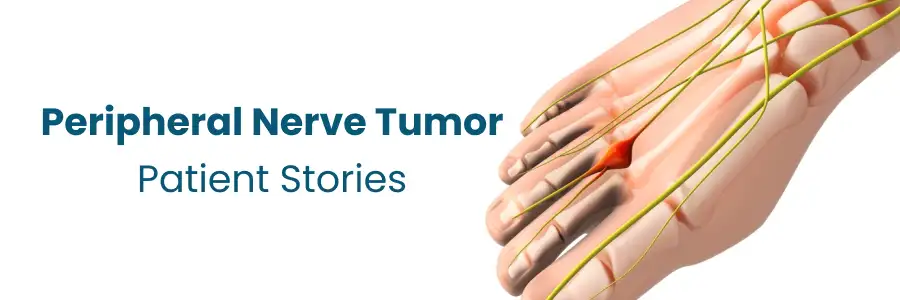
Peripheral nerve tumors are abnormal growths that develop in or around the nerves outside the brain and spinal cord. These tumors can be benign (non-cancerous) or malignant (cancerous) and can cause a variety of symptoms, including pain, numbness, and muscle weakness. The impact of these tumors on an individual's life can vary greatly depending on their size, location, and malignancy, making each case unique.
Types of Peripheral Nerve Tumors
- Schwannomas: These are the most common type of benign peripheral nerve tumors. They develop from Schwann cells, which produce the protective myelin sheath covering peripheral nerves. Schwannomas can occur anywhere in the body but are often found in the head, neck, and extremities. Although usually benign, they can cause significant discomfort and functional impairment if they press on surrounding nerves or structures.
- Neurofibromas: Also typically benign, these tumors can develop on any peripheral nerve and are often associated with the genetic disorder neurofibromatosis. Neurofibromas can appear as single or multiple growths and may vary in size. Depending on their location and size, they can cause pain, neurological symptoms, and aesthetic concerns.
- Malignant Peripheral Nerve Sheath Tumors (MPNSTs): These are rare and cancerous tumors that require prompt and aggressive treatment. MPNSTs can arise sporadically or in association with neurofibromatosis type 1 (NF1). They are known for their rapid growth and potential to spread to other parts of the body, necessitating a comprehensive treatment approach involving surgery, chemotherapy, and radiation.
The Journey to Diagnosis
The journey to a peripheral nerve tumor diagnosis can be long and fraught with uncertainty. For many patients at Medicover Hospitals, the first step often begins with recognizing unusual symptoms and seeking medical advice. Early detection is crucial for better outcomes, yet the initial phases can be confusing and stressful for patients as they try to make sense of their symptoms.
Initial Symptoms and Medical Consultation
Peripheral nerve tumor patients often report experiencing symptoms such as:
- Persistent pain in a specific area
- Tingling or numbness
- Muscle weakness
- A noticeable lump or swelling
These symptoms can sometimes be mistaken for less severe conditions, leading to delays in seeking specialized care. When these symptoms persist, a visit to the doctor is essential. A specialist at Medicover Hospitals emphasizes, "Early diagnosis is critical. The sooner we identify the problem, the better the prognosis for the Patient." Patients are encouraged to seek medical advice promptly and to be persistent in getting the evaluations they need.
Diagnostic Process
After an initial consultation, patients typically undergo a series of diagnostic tests to determine the nature of the tumor. These may include MRI scans, CT scans, and biopsy procedures. The diagnostic process can be nerve-wracking, but it is a necessary step to ensure an accurate diagnosis and appropriate treatment plan. The medical team at Medicover Hospitals ensures that patients are kept informed and supported throughout this process.
Get a second opinion from trusted experts and makeconfident, informed decisions.
Get Second OpinionNot sure where to start?
Talk to a patient care advisor — free, confidential, 24/7. We'll match you to the right specialist and book your appointment in minutes.
Personal Patient Stories
Hearing from those who have faced peripheral nerve tumors can be incredibly empowering. Here are some inspiring stories from patients at Medicover Hospitals. These narratives not only highlight the challenges faced by the patients but also the remarkable strength and resilience they demonstrated throughout their treatment journey.
Patient-1: Triumph Over Schwannoma
A 35-year-old software engineer began experiencing persistent pain and numbness in his right arm. After several consultations with general practitioners, he was referred to Medicover Hospitals, where an MRI revealed a Schwannoma. "The moment I got my diagnosis, I was scared," the patient recalls. "But the doctors at Medicover were so reassuring. They explained everything in detail and gave me a clear treatment plan."
The patient underwent surgery to remove the tumor, followed by physical therapy to regain full function in his arm. Today, he is pain-free and back to his daily activities. "I am grateful for the care I received. It was a challenging time, but the support from my family and the medical team made all the difference." The patient's story is a testament to the effectiveness of timely intervention and the importance of a supportive care environment.
Patient 2: Battle with Neurofibroma
A 28-year-old teacher noticed a small lump on her leg that gradually grew larger. Initial tests were inconclusive, but a referral to Medicover Hospitals led to a definitive diagnosis of Neurofibroma. "The waiting and not knowing was the hardest part," the Patient shares. But once I was at Medicover, things moved quickly. The staff were compassionate and professional."
The patient's treatment involved a combination of surgery and targeted therapy. "The surgery went smoothly, and my recovery was faster than I expected. The doctors were always available to answer my questions and guide me through each step." The patient now enjoys a better quality of life and continues to teach, inspired by her journey and the care she received at Medicover Hospitals.
Patient-3 Courage Facing MPNST
A 42-year-old businessman faced a more aggressive form of peripheral nerve tumor, Malignant Peripheral Nerve Sheath Tumor (MPNST). Multiple surgeries, chemotherapy, and radiation therapy marked his journey. "I won't lie; it was tough," Patient admits. "But the team at Medicover was incredible. They never gave up on me, and their optimism kept me going."
Despite the challenges, the Patient's determination and the comprehensive care he received have led to significant improvements. "I'm still in treatment, but I believe in the possibility of a full recovery.
The advanced treatments and constant support at Medicover give me hope every day." The patient's ongoing battle with MPNST showcases the importance of a multidisciplinary approach and the power of a positive outlook.
Your health is everything - prioritize your well-being today.
Schedule Your AppointmentThe Role of Medicover Hospitals
Medicover Hospitals in Hyderabad is known for its modern technology and a team of dedicated specialists. Their approach to treating peripheral nerve tumors involves a multidisciplinary team, including neurologists, oncologists, surgeons, and rehabilitation therapists. This collaborative approach ensures that each Patient receives comprehensive care tailored to their specific needs.
Advanced Diagnostic Techniques
Early and accurate diagnosis is crucial for effective treatment. Medicover Hospitals utilize advanced imaging techniques such as MRI, CT scans, and PET scans to pinpoint the exact location and nature of the tumor. These technologies enable precise mapping of the cancer, which is critical for planning the most effective treatment strategy.
In addition to imaging, Medicover Hospitals employ advanced biopsy techniques to obtain tissue samples for pathological examination. This helps in accurately determining the type of tumor and its characteristics, which is essential for formulating an effective treatment plan.
Comprehensive Treatment Plans
Each Patient's treatment plan is tailored to their specific condition and needs. Options may include:
- Surgery: Often the first line of treatment for removing the tumor. Surgical precision and expertise are paramount to ensure complete removal while preserving nerve function.
- Radiation Therapy: Used to shrink tumors or eliminate remaining cancerous cells post-surgery. Advanced radiation techniques at Medicover minimize damage to surrounding healthy tissue.
- Chemotherapy: Typically used for malignant tumors to target cancer cells throughout the body. The oncology team at Medicover carefully selects chemotherapy protocols to maximize effectiveness and minimize side effects.
- Physical Therapy is essential for recovery and regaining function after treatment. Rehabilitation specialists work closely with patients to develop personalized therapy plans that address their specific needs and goals.
Continuous Support and Follow-Up
The journey doesn't end with treatment. Continuous follow-up and support are critical for monitoring progress and addressing any recurrence or complications. Medicover Hospitals ensure that patients receive ongoing care and support. Regular follow-up appointments, imaging studies, and consultations with specialists help in the early detection of any issues and timely intervention.
Support services, including counseling and support groups, are also available to help patients and their families cope with the emotional and psychological aspects of dealing with peripheral nerve tumors. This holistic approach ensures that patients are supported in every aspect of their recovery journey.
Conclusion
Peripheral nerve tumors present significant challenges, but the personal stories of patients at Medicover Hospitals in Hyderabad are a testament to the resilience of the human spirit and the power of advanced medical care. These narratives of triumph and hope inspire others facing similar battles and highlight the importance of early diagnosis, comprehensive treatment, and unwavering support. The experiences shared by Patient 1, Patient 2 and Patient 3 underscore the difference that expert medical care and a compassionate support system can make.
If you or a loved one are experiencing symptoms related to peripheral nerve tumors, seek medical advice promptly. The team at Medicover Hospitals is equipped to provide the care and support you need to navigate this challenging journey. Early intervention can significantly improve outcomes, and Medicover Hospitals is committed to walking with you every step of the way.
Frequently Asked Questions
Personal stories can be found through medicover hospital’s local support groups, online forums, and social media platforms where patients share their experiences.
Yes, local support groups and medicover hospitals often host events where patients share their experiences. Check with local organizations for event details.
Interviews and personal stories may be available on local news websites, health blogs, and YouTube. Look for content created by local health organizations such as medicover hospitals.
Sharing your story can provide support and hope to others facing similar challenges, raise awareness about peripheral nerve tumors, and contribute to a sense of community.
Check local libraries, bookstores, and online platforms for books or articles. Some patients and authors may share their experiences through these mediums.
Connect through local support groups, online forums, and social media platforms where patients in Hyderabad share their experiences and provide mutual support.
- Cardiology
- Case Studies
- Dermatology
- Endocrinology
- ENT
- Fertility
- Gastroenterology
- General
- General-Medicine
- Gynecology
- Hematology
- Infectious-Diseases
- Medical News
- Neurology
- Oncology
- Ophthalmology
- Orthopedics
- Pediatrics
- Procedure
- Public-Health
- Pulmonology
- Radiology
- Second Opinion
- Urology
- Wellness
- Woman-and-child
Related Blogs
Still have questions? Speak with our experts now!
040-68334455


