 Call
Call Patient Reports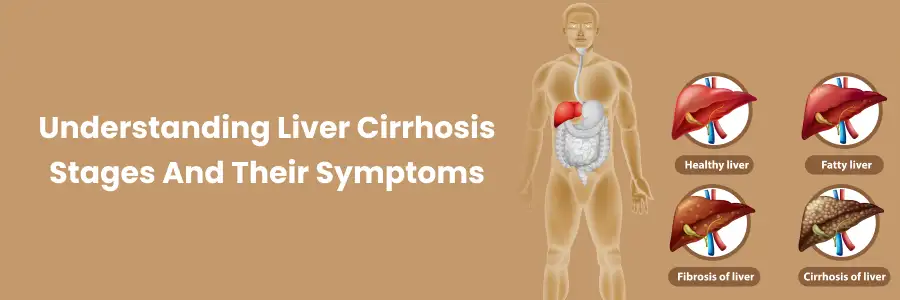
- 3759
- 3.5 Minute
Liver Cirrhosis Stages & Symptoms: A Guide
Are you struggling with the symptoms of liver cirrhosis and wondering about the different stages of this condition? Liver cirrhosis is a serious liver disease that can significantly affect your daily life. From fatigue and abdominal swelling to confusion and jaundice, the symptoms can be debilitating. Understanding the stages of liver cirrhosis is crucial for managing the condition effectively and improving your quality of life.
Early Symptoms of Liver Cirrhosis
During the early stages of liver cirrhosis, you may experience subtle symptoms that can easily be overlooked. These early signs may include:
- Fatigue and weakness
- loss of appetite
- Weight loss
If you notice any of these symptoms persisting, it's essential to consult your healthcare provider for a proper evaluation.
Get a second opinion from trusted experts and makeconfident, informed decisions.
Get Second OpinionNot sure where to start?
Talk to a patient care advisor — free, confidential, 24/7. We'll match you to the right specialist and book your appointment in minutes.
Advanced Cirrhosis Signs
As liver cirrhosis progresses, the symptoms become more pronounced and can significantly impact your daily life. Advanced signs of cirrhosis may include:
- Abdominal swelling due to fluid retention
- Mental confusion and difficulty concentrating
- Jaundice, indicated by yellowing of the skin and eyes
These advanced symptoms require immediate medical attention to prevent further complications.
Understanding Liver Scarring Stages
Liver cirrhosis is characterized by the progression of liver scarring, which occurs in several stages:
Stage 1: In the initial stage, the liver may show minimal scarring with mild inflammation.
Stage 2: As the disease advances, more extensive scarring develops, leading to impaired liver function.
Stage 3: Severe scarring and nodules form in the liver tissue, causing significant liver damage.
Stage 4: This stage represents advanced cirrhosis, where the liver is extensively scarred, affecting its ability to function properly.
Chronic Liver Disease Progression
Chronic liver disease, such as hepatitis-related cirrhosis or fatty liver disease, can progress to cirrhosis if left untreated. The progression of liver disease to cirrhosis typically follows a gradual course:
Stage 1: Early liver damage with mild inflammation and fat accumulation.
Stage 2: Continued liver injury leading to fibrosis (scarring) of the liver tissue.
Stage 3: Advancement to cirrhosis, with extensive scarring and liver dysfunction.
Stage 4: End-stage liver disease, requiring urgent medical intervention such as a liver transplant.
Cirrhosis Complications and Treatment
Complications of cirrhosis can range from varices and ascites to hepatic encephalopathy and liver cancer. Treatment for cirrhosis focuses on:
- Managing symptoms and complications
- Addressing the underlying cause of liver damage
- Promoting liver regeneration and function
Depending on the stage and severity of cirrhosis, treatment options may include medication, lifestyle changes, and in severe cases, liver transplantation.
Your health is everything - prioritize your well-being today.
Schedule Your AppointmentIn Conclusion
Understanding the stages of liver cirrhosis is essential for recognizing the progression of the disease and seeking timely medical intervention. From early symptoms to advanced signs, each stage of cirrhosis requires specific management strategies to improve outcomes and enhance quality of life. If you suspect you may have liver cirrhosis, consult your healthcare provider for a comprehensive evaluation and personalized treatment plan.
Frequently Asked Questions
To determine the stage of cirrhosis you have, a healthcare provider will evaluate your symptoms, review blood test results, and may perform imaging tests or a liver biopsy. The stage is based on how much liver damage has occurred and whether complications like fluid buildup, bleeding, or confusion have developed. Regular checkups and monitoring are essential to assess progression.
In stage 2 cirrhosis, scarring becomes more significant, and blood flow through the liver begins to be affected. Symptoms may still be mild or vague, including fatigue, occasional abdominal discomfort, and mild swelling in the legs or abdomen. Liver function is usually still preserved at this stage, but early signs of portal hypertension may start to appear.
Stage 3 cirrhosis is more advanced and often marked by severe scarring and noticeable liver function decline. Common symptoms include significant swelling in the abdomen and legs, yellowing of the skin and eyes (jaundice), confusion or forgetfulness due to toxin buildup, and increased risk of internal bleeding. This stage often requires close medical supervision and may lead to liver failure.
Stage 4 liver cirrhosis is considered the most serious and life-threatening stage. At this point, the liver has sustained extensive damage and is no longer able to function properly. It is often associated with multiple complications such as liver failure, kidney problems, internal bleeding, and a buildup of toxins in the brain. Immediate and ongoing medical care is crucial at this stage.
Stage 4 liver cirrhosis is not curable in the traditional sense because the liver damage is usually irreversible. However, with proper medical management, lifestyle changes, and in some cases, a liver transplant, it's possible to manage symptoms and extend life expectancy. Early diagnosis and treatment of underlying causes, such as alcohol use or hepatitis, can help slow the progression of the disease.
- Cardiology
- Case Studies
- Dermatology
- Endocrinology
- ENT
- Fertility
- Gastroenterology
- General
- General-Medicine
- Gynecology
- Hematology
- Infectious-Diseases
- Medical News
- Neurology
- Oncology
- Ophthalmology
- Orthopedics
- Pediatrics
- Procedure
- Public-Health
- Pulmonology
- Radiology
- Second Opinion
- Urology
- Wellness
- Woman-and-child
Related Blogs
Still have questions? Speak with our experts now!
040-68334455


