 Call
Call Patient Reports
- Cardiology 84
- Dermatology 45
- Endocrinology 33
- ENT 16
- Fertility 190
- Gastroenterology 78
- General-Medicine 81
- Gynecology 80
- Hematology 19
- Infectious-Diseases 33
- Neurology 52
- Oncology 34
- Ophthalmology 23
- Orthopedics 69
- Pediatrics 31
- Procedure 23
- Public-Health 144
- Pulmonology 59
- Radiology 8
- Urology 68
- Wellness 161
- Woman-and-child 77
- 3759
- 3.5 Minute
Liposuction: What Women Should Know Before the Surgery
Liposuction is a popular cosmetic procedure aimed at removing excess fat deposits from specific areas of the body. For many women considering this surgery, it is essential to be well-informed about all aspects of the procedure, from preparation to recovery. This comprehensive guide will provide you with everything you need to know before undergoing liposuction.
Understanding Liposuction
Liposuction, also known as lipoplasty, is a surgical procedure that involves the removal of fat deposits from various parts of the body, such as the abdomen, thighs, buttocks, arms, and neck. It is important to note that liposuction is not a weight-loss method but rather a body contouring technique designed to eliminate stubborn fat that does not respond to diet and exercise.
Get a second opinion from trusted experts and makeconfident, informed decisions.
Get Second OpinionNot sure where to start?
Talk to a patient care advisor — free, confidential, 24/7. We'll match you to the right specialist and book your appointment in minutes.
The Procedure
The liposuction procedure typically involves the following steps:
- Anesthesia: Depending on the extent of the surgery and the areas being treated, liposuction can be performed under local anesthesia, sedation, or general anesthesia.
- Incisions: Small, inconspicuous incisions are made in the targeted areas.
- Fat Removal: A thin tube called a cannula is inserted through the incisions to lose excess fat. The dislodged fat is then suctioned out using a surgical vacuum or syringe.
- Closing Incisions: The incisions are closed with sutures or left open to drain, depending on the surgeon's preference and the extent of the procedure.
Preparing for Liposuction Surgery
Proper preparation is crucial for a successful liposuction procedure and smooth recovery. Here are some essential steps to take:
Medical Consultation and Evaluation
Before undergoing liposuction, it is imperative to have a thorough consultation with a board-certified plastic surgeon. During this consultation, the surgeon will evaluate your medical history, assess your overall health, and discuss your goals and expectations. This is also the time to ask any questions you may have about the procedure.
Preoperative Instructions
Your surgeon will provide you with specific preoperative instructions, which may include the following:
- Medication Adjustments: You may need to stop taking certain medications, such as blood thinners, anti-inflammatory drugs, and herbal supplements, as they can increase the risk of bleeding.
- Smoking Cessation: Smoking can impair healing and increase the risk of complications. It is advisable to quit smoking at least six weeks before and after surgery.
- Fasting: If general anesthesia is to be used, you will be required to fast for a specified period before the surgery.
Preparing Your Home
Creating a comfortable recovery environment at home is essential. Ensure that you have the following:
- Comfortable Clothing: Loose, easy-to-wear clothing that does not put pressure on the surgical areas.
- Supportive Pillows: To help you maintain a comfortable position during recovery.
- Healthy Food and Hydration : Stock up on nutritious foods and beverages to support your healing process.
What to Expect on the Day of Surgery
On the day of your liposuction surgery, there are several important considerations to keep in mind:
Arriving at the Surgical Facility
Arrive at the surgical facility early to allow time for check-in and preoperative preparations. It would help if you had a friend or family member accompany you, as you will not be able to drive yourself home after the procedure.
Preoperative Preparations
Once at the facility, you will undergo preoperative preparations, including:
- Vital Signs: Your vital signs, such as blood pressure, heart rate, and temperature, will be checked.
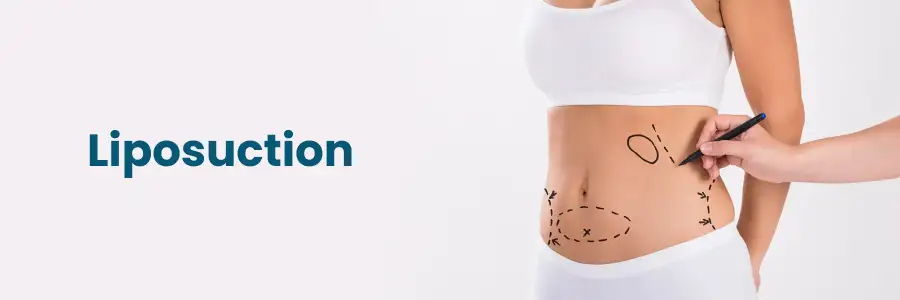
- Marking the Treatment Areas: The surgeon will mark the areas where fat will be removed.
- Anesthesia Administration: The chosen anaesthesia will be administered to ensure your comfort during the procedure.
Postoperative Care and Recovery
The recovery period following liposuction is crucial for achieving optimal results and minimizing complications. Here are some essential aspects of postoperative care:
Immediate Postoperative Period
- Monitoring: After the surgery, you will be monitored in a recovery room until the effects of anesthesia wear off.
- Compression Garments: You will be provided with compression garments to wear over the treated areas. These garments help reduce swelling, support the healing tissues, and improve skin contraction.
Managing Discomfort and Pain
- Medications: Your surgeon may prescribe pain medications to manage discomfort during the initial days of recovery.
- Rest and Elevation: It is essential to rest and elevate the treated areas to minimize swelling and promote healing.
Follow-Up Appointments
Regular follow-up appointments with your surgeon are essential to monitor your progress and address any concerns. During these visits, your surgeon will assess the healing process, remove sutures if necessary, and provide further guidance on postoperative care.
Potential Risks and Complications
Like any surgical procedure, liposuction carries certain risks and potential complications. It is essential to be aware of these before undergoing surgery:
- Infection: Although rare, infections can occur at the incision sites.
- Bleeding: Excessive bleeding during or after the procedure is a possible risk.
- Irregular Contours: In some cases, the treated areas may develop uneven contours or asymmetry.
- Scarring: While liposuction incisions are small, scarring is still a possibility.
- Numbness: Temporary or permanent numbness in the treated areas can occur.
Your health is everything - prioritize your well-being today.
Schedule Your AppointmentFinal Thoughts
Liposuction can be a transformative procedure for women looking to achieve a more contoured and sculpted physique. However, it is essential to approach the surgery with realistic expectations and a thorough understanding of the process.
Frequently Asked Questions
Liposuction is a cosmetic surgery procedure that removes excess fat from specific areas of the body through a suction technique. It involves making small incisions and using a thin tube called a cannula to suction out fat deposits, improving body contour and shape.
Common areas treated with liposuction include the abdomen, thighs, hips, buttocks, arms, and under the chin. It is typically used to target stubborn fat that does not respond to diet and exercise.
Risks and side effects of liposuction can include infection, bleeding, swelling, bruising, uneven contours, and changes in skin sensation. More serious risks include blood clots and fat embolism. It’s important to discuss potential risks with your surgeon.
The recovery period after liposuction varies depending on the extent of the procedure and individual healing. Generally, patients can expect to resume normal activities within 1 to 2 weeks, but full recovery may take several weeks to months. It is important to follow post-operative care instructions to ensure optimal results.
The results of liposuction can be long-lasting, provided that patients maintain a stable weight through a healthy diet and regular exercise. While liposuction removes fat cells from targeted areas, it does not prevent new fat from accumulating if lifestyle changes are not maintained.
- Cardiology
- Case Studies
- Dermatology
- Endocrinology
- ENT
- Fertility
- Gastroenterology
- General
- General-Medicine
- Gynecology
- Hematology
- Infectious-Diseases
- Medical News
- Neurology
- Oncology
- Ophthalmology
- Orthopedics
- Pediatrics
- Procedure
- Public-Health
- Pulmonology
- Radiology
- Second Opinion
- Urology
- Wellness
- Woman-and-child
Related Blogs
Still have questions? Speak with our experts now!
040-68334455


