 Call
Call Patient Reports
- Cardiology 84
- Dermatology 45
- Endocrinology 33
- ENT 16
- Fertility 190
- Gastroenterology 78
- General-Medicine 81
- Gynecology 80
- Hematology 19
- Infectious-Diseases 33
- Neurology 52
- Oncology 34
- Ophthalmology 23
- Orthopedics 69
- Pediatrics 31
- Procedure 23
- Public-Health 144
- Pulmonology 59
- Radiology 8
- Urology 68
- Wellness 161
- Woman-and-child 77
- 3579
- 3.3 Minute
Exploring the Benefits of Ketofly Shampoo
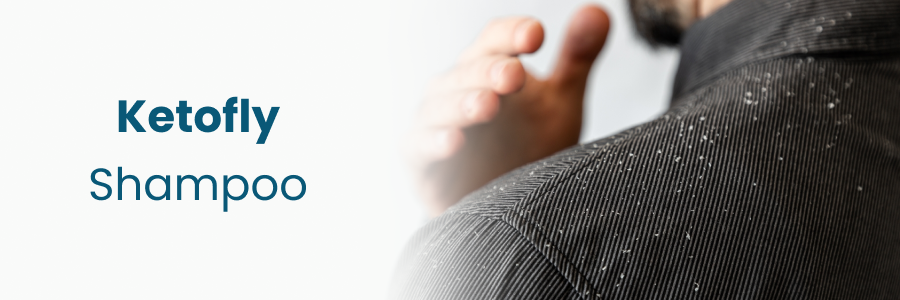
In an era where hair care products flood the market, finding a solution that addresses specific hair and scalp issues can be daunting. Ketofly Shampoo has garnered attention for its potent active ingredient, ketoconazole, which is renowned for its anti-dandruff and hair growth-promoting properties. In this article, we delve into the various benefits of Ketofly Shampoo, its uses, and potential side effects, providing you with a comprehensive understanding of this product.
What is Ketofly Shampoo?
Ketofly Shampoo is a medicated shampoo primarily formulated with ketoconazole, an antifungal agent known for combating dandruff and promoting hair health. Ketoconazole works by disrupting the fungal cell membrane, thereby inhibiting fungal growth on the scalp. This makes it an effective solution for those dealing with persistent dandruff and related scalp issues.
Key Benefits of Ketofly Shampoo
Anti-Dandruff Properties
One of the standout features of Ketofly Shampoo is its effectiveness in treating dandruff. Dandruff is often caused by an overgrowth of the fungus Malassezia on the scalp. Ketoconazole, the active ingredient in Ketofly Shampoo, targets this fungus, reducing its presence and thereby alleviating dandruff.
Get a second opinion from trusted experts and makeconfident, informed decisions.
Get Second OpinionNot sure where to start?
Talk to a patient care advisor — free, confidential, 24/7. We'll match you to the right specialist and book your appointment in minutes.
Promotes Hair Growth
Beyond its antifungal properties, Ketofly Shampoo has been noted for its potential to promote hair growth. While the primary function of ketoconazole is to treat dandruff, it can also help reduce hair loss associated with fungal infections. By maintaining a healthier scalp environment, hair follicles can function optimally, potentially leading to improved hair growth.
Reduces Scalp Inflammation
Inflammation of the scalp can lead to a variety of hair and scalp issues, including hair loss and discomfort. Ketoconazole possesses anti-inflammatory properties that can help soothe the scalp, reducing redness, itchiness, and irritation.
Treats Seborrheic Dermatitis
Seborrheic dermatitis is a common, chronic inflammatory skin condition that affects the scalp, causing red, scaly patches and stubborn dandruff. Ketofly Shampoo's ketoconazole component is particularly effective in treating this condition, providing relief from symptoms and improving scalp health.
Uses of Ketofly Shampoo
General Dandruff Treatment
Ketofly Shampoo can be used as a regular anti-dandruff shampoo for those suffering from mild to moderate dandruff. Its antifungal properties help maintain a dandruff-free scalp with consistent use.
Management of Seborrheic Dermatitis
For individuals dealing with seborrheic dermatitis, Ketofly Shampoo can be a valuable part of their treatment regimen. Regular use can help manage the symptoms and reduce flare-ups.
Hair Loss Prevention
While not explicitly marketed as a hair growth product, Ketofly Shampoo's ability to create a healthier scalp environment can contribute to reducing hair loss and supporting hair growth.
Scalp Psoriasis Relief
In some cases, ketoconazole has been used to provide relief from scalp psoriasis, a condition characterized by itchy, scaly patches on the scalp. While not a cure, Ketofly Shampoo can help manage the symptoms.
Potential Side Effects of Ketofly Shampoo
While Ketofly Shampoo is generally well-tolerated, it is important to be aware of potential side effects. These can include:
Skin Irritation
Some users may experience mild skin irritation, including redness, itching, or a burning sensation on the scalp. If these symptoms persist, it is advisable to discontinue use and consult a healthcare professional.
Hair Texture Changes
In rare cases, users may notice changes in hair texture, such as dryness or oiliness. Adjusting the frequency of use or incorporating a moisturizing conditioner can help mitigate these effects.
Allergic Reactions
Although uncommon, allergic reactions to ketoconazole can occur. Symptoms may include severe itching, rash, swelling, or difficulty breathing. Immediate medical attention is required if any of these symptoms manifest.
How to Use Ketofly Shampoo
Frequency of Use
For effective results, Ketofly Shampoo should be used as directed by a healthcare professional. Typically, it is recommended to use the shampoo twice a week for the initial treatment period, followed by a maintenance schedule as advised.
Application Method
- Wet Hair and Scalp: Begin by thoroughly wetting your hair and scalp with water.
- Apply Shampoo: Apply a small amount of Ketofly Shampoo to your scalp and gently massage it in, ensuring even distribution.
- Lather and Wait: Allow the shampoo to lather and leave it on the scalp for 3-5 minutes. This allows the active ingredient to effectively target the fungus.
- Rinse Thoroughly: Rinse your hair and scalp thoroughly with water to remove all traces of the shampoo.
Your health is everything - prioritize your well-being today.
Schedule Your AppointmentConclusion
Ketofly Shampoo, with its powerful antifungal and anti-inflammatory properties, offers multiple benefits for individuals struggling with dandruff, seborrheic dermatitis, and related scalp issues. Its ability to promote a healthier scalp environment can also contribute to improved hair growth and reduced hair loss. While side effects are generally mild, it is essential to use the product as directed and consult a healthcare professional if any adverse reactions occur.
Frequently Asked Questions
Ketofly Shampoo is primarily used to treat dandruff and scalp infections caused by fungal infections. It contains ketoconazole, which helps reduce flaking and itching.
Wet your hair and apply a small amount of Ketofly Shampoo to the scalp. Massage gently for 3-5 minutes, then rinse thoroughly. Use as directed by your doctor.
Ketofly Shampoo is typically used 2-3 times a week. It is advisable to follow your doctor's instructions for the correct usage frequency.
Common side effects include mild itching, dryness, or irritation. If these persist or worsen, consult your healthcare provider.
Yes, Ketofly Shampoo is generally safe for most hair types, but individuals with sensitive scalp conditions should seek medical advice before using.
Disclaimer: The information provided is accurate and up-to-date to the best of our knowledge. However, it should not be considered a substitute for medical advice or consultation. We do not guarantee its completeness or accuracy. The absence of specific warnings does not mean a medicine is safe for all users. We are not responsible for any outcomes based on this information and strongly recommend consulting a doctor for any medical concerns or questions.
- Cardiology
- Case Studies
- Dermatology
- Endocrinology
- ENT
- Fertility
- Gastroenterology
- General
- General-Medicine
- Gynecology
- Hematology
- Infectious-Diseases
- Medical News
- Neurology
- Oncology
- Ophthalmology
- Orthopedics
- Pediatrics
- Procedure
- Public-Health
- Pulmonology
- Radiology
- Second Opinion
- Urology
- Wellness
- Woman-and-child
Related Blogs
Still have questions? Speak with our experts now!
040-68334455


