 Call
Call Patient Reports
- Cardiology 84
- Dermatology 45
- Endocrinology 33
- ENT 16
- Fertility 190
- Gastroenterology 78
- General-Medicine 81
- Gynecology 80
- Hematology 19
- Infectious-Diseases 33
- Neurology 52
- Oncology 34
- Ophthalmology 23
- Orthopedics 69
- Pediatrics 31
- Procedure 23
- Public-Health 144
- Pulmonology 59
- Radiology 8
- Urology 68
- Wellness 161
- Woman-and-child 77
- 3759
- 3.5 Minute
Heart Attack Treatment at Medicover Hospitals in Begumpet
Heart attacks, medically known as myocardial infarctions, are a leading cause of death worldwide. They occur when blood flow to a part of the heart is blocked for a long enough time that part of the heart muscle is damaged or dies. Understanding the various treatment options available can significantly increase survival rates and improve outcomes for patients. This article will explore effective treatments for heart attacks, including emergency care, medications, surgical interventions, and long-term management strategies.
What are Heart Attacks?
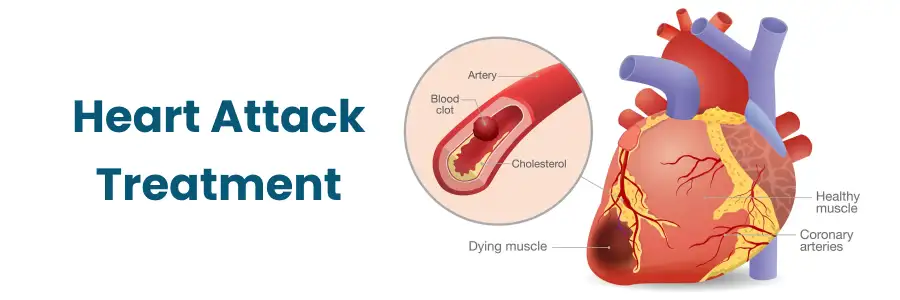
Before diving into treatments, it's crucial to understand what a heart attack is and why immediate care is essential. A heart attack typically results from the buildup of fatty deposits in the coronary arteries, which supply blood to the heart. These deposits can rupture and form a clot, blocking the blood flow. Without prompt treatment, the affected part of the heart muscle can begin to die, leading to severe complications or death.
A clear understanding of heart attacks not only aids in recognizing symptoms but also highlights the importance of quick action. The faster the treatment is administered, the less damage there is to the heart muscle. This underscores the importance of public education on heart attack symptoms and the need for immediate medical attention.
Get a second opinion from trusted experts and makeconfident, informed decisions.
Get Second OpinionNot sure where to start?
Talk to a patient care advisor — free, confidential, 24/7. We'll match you to the right specialist and book your appointment in minutes.
Symptoms of a Heart Attack
Recognizing the symptoms of a heart attack can save lives. Common symptoms include:
- Chest pain or discomfort
- Shortness of breath
- Pain or discomfort in the arms, back, neck, jaw, or stomach
- Nausea or lightheadedness
In addition to the common symptoms, some people may experience atypical signs such as fatigue, indigestion, or a sense of impending doom. These symptoms can sometimes be mistaken for other conditions, which is why it's vital to seek medical help when in doubt. Early detection and treatment are crucial to minimizing damage to the heart muscle and improving survival rates.
Emergency Care for Heart Attack
When a heart attack is suspected, immediate medical attention is crucial. Emergency care often begins with calling emergency services and administering first aid while awaiting their arrival. The prompt response can significantly reduce the extent of heart damage and improve the chances of survival.
Initial Assessment and Stabilization
Upon arrival at Medicover Hospital in Begumpet, healthcare providers will quickly assess the patient's condition. This includes taking a medical history, performing a physical examination, and conducting diagnostic tests such as an electrocardiogram (ECG) and blood tests to confirm the heart attack and assess its severity. Time is of the essence, and rapid stabilization of the patient is the primary goal.
Stabilization efforts may involve oxygen therapy, pain relief medications, and continuous monitoring of vital signs. Depending on the severity of the heart attack, the medical team at Medicover Hospital in Begumpet will also prepare for potential advanced interventions. This initial phase is critical to ensure the patient is in the best possible condition for further treatment.
Medications Administered in Emergency Care
Several medications may be administered to stabilize the patient and minimize heart damage. These include:
- Aspirin: To reduce blood clotting.
- Nitroglycerin: To improve blood flow to the heart.
- Thrombolytics: To dissolve the clot blocking the coronary artery.
- Antiplatelet agents: To prevent new clots from forming.
In addition to these, beta-blockers may be used to decrease the heart's workload, and anticoagulants might be administered to prevent further clot formation. The choice of medication depends on the patient's overall condition, the severity of the heart attack, and any underlying health issues. Quick and appropriate medication administration is vital for stabilizing the patient and preparing them for possible surgical interventions.
Cardiac Catheterization for Heart Attack
Cardiac catheterization is a standard procedure used to diagnose and treat heart attacks. It involves inserting a thin tube (catheter) into a blood vessel and guiding it to the heart. This procedure is often performed in a specialized area of Medicover Hospital in Begumpet called the catheterization lab or "cath lab."
Diagnostic Cardiac Catheterization
During this procedure, contrast dye is injected into the coronary arteries, and X-ray images are taken to locate blockages. This process is called coronary angiography. It provides a detailed view of the coronary arteries, enabling doctors to pinpoint the exact location and extent of the blockage.
This diagnostic step is crucial for determining the most appropriate treatment strategy. The images obtained from coronary angiography help decide whether the patient needs medication management, angioplasty, stenting, or coronary artery bypass grafting (CABG). By accurately identifying the blockage, doctors at Medicover Hospital in Begumpet can tailor the treatment to the patient's specific needs.
Interventional Cardiac Catheterization
If a blockage is found, an interventional procedure such as angioplasty or stenting can be performed.
- Angioplasty: A balloon is inflated at the site of the blockage to open the artery.
- Stenting: A small wire mesh tube (stent) is placed to keep the artery open.
Interventional cardiac catheterization not only restores blood flow to the heart but also provides a less invasive alternative to open-heart surgery. These procedures are often performed immediately after diagnosis, minimizing the time the heart muscle is deprived of blood. Quick intervention can significantly improve the patient's prognosis and reduce the risk of future heart attacks.
Medications for Heart Attack
Medications play a critical role in the immediate treatment and long-term management of heart attacks. They help stabilize the patient during the acute phase and prevent future cardiac events.
Immediate Post-Attack Medications
- Beta-blockers: To reduce the heart's workload and prevent future attacks.
- ACE inhibitors: To lower blood pressure and reduce strain on the heart.
- Statins: To lower cholesterol levels and stabilize plaque in the arteries.
These medications are typically administered soon after the acute phase to help the heart recover and reduce the risk of complications. They work by addressing different aspects of heart health, such as reducing blood pressure, lowering cholesterol, and decreasing the heart's oxygen demand. The combination of these medications is often tailored to the individual needs of the patient.
Long-Term Medications
Patients may need to continue taking some medications for an extended period to prevent future heart attacks and manage risk factors. These may include:
- Anticoagulants: To prevent blood clots.
- Antiarrhythmics: To control irregular heartbeats.
- Diuretics: To reduce fluid buildup and lower blood pressure.
Long-term medication adherence is crucial for maintaining heart health and preventing recurrence. Regular follow-ups with healthcare providers at Medicover Hospital in Begumpet ensure that the medications are effective and adjusted as needed. Patients should also be educated on the importance of medication compliance and the potential side effects to watch for.
Supportive Care for Heart Attack Recovery
Recovery from a heart attack involves more than just medical treatment. Supportive care is essential for improving quality of life and preventing future cardiac events. This holistic approach addresses physical, emotional, and lifestyle aspects of recovery.
Cardiac Rehabilitation
Cardiac rehabilitation programs at Medicover Hospital in Begumpet are designed to help patients recover physically and emotionally. These programs typically include:
- Exercise training: To improve cardiovascular fitness.
- Education: On heart-healthy living and managing risk factors.
- Counseling: To support emotional well-being and reduce stress.
Cardiac rehabilitation is often structured as a multi-week program involving supervised exercise sessions and educational workshops. The goal is to empower patients with the knowledge and skills needed to lead a heart-healthy lifestyle. Emotional support and counseling play a significant role in helping patients cope with the psychological impact of a heart attack.
Lifestyle Changes
Adopting a heart-healthy lifestyle is crucial for long-term recovery and prevention of future heart attacks. Fundamental lifestyle changes include:
- Diet: Eating a balanced diet low in saturated fats, cholesterol, and sodium.
- Exercise: Engaging in regular physical activity.
- Smoking cessation: Avoiding tobacco products.
- Stress management: Practicing relaxation techniques and managing stress effectively.
Lifestyle changes can profoundly impact heart health. Patients should work closely with their healthcare providers at Medicover Hospital in Begumpet to develop a personalized plan that addresses their unique risk factors. Support from family, friends, and support groups can also make it easier to maintain these changes and improve overall well-being.
Surgical Interventions for Heart Attack
In some cases, surgical interventions may be necessary to treat a heart attack or prevent future attacks. These procedures are typically considered when other treatments are insufficient or when the heart has sustained significant damage.
Coronary Artery Bypass Grafting (CABG)
CABG is a surgical procedure where a healthy artery or vein from another part of the body is used to bypass the blocked coronary artery. This allows blood to flow around the blockage and reach the heart muscle. It is often recommended for patients with multiple blockages or severe coronary artery disease.
The procedure involves open-heart surgery and a recovery period that includes a hospital stay and rehabilitation. CABG can significantly improve blood flow to the heart, relieve symptoms, and reduce the risk of future heart attacks. However, it is a major surgery with potential risks, so careful assessment and preparation at Medicover Hospital in Begumpet are essential.
Heart Valve Surgery
If a heart attack has damaged the heart valves, surgery may be required to repair or replace them. This ensures proper blood flow through the heart and reduces the risk of future cardiac events. Valve repair or replacement can alleviate symptoms such as shortness of breath, fatigue, and chest pain.
Heart valve surgery can be performed using traditional open-heart techniques or minimally invasive methods, depending on the patient's condition and the complexity of the repair. Post-surgery, patients will need ongoing monitoring and care to ensure the valve functions properly and to manage any potential complications.
Your health is everything - prioritize your well-being today.
Schedule Your AppointmentConclusion
Heart attacks are a serious medical emergency requiring prompt and effective treatment. Medicover Hospital in Begumpet offers a comprehensive range of treatments, from emergency care and medications to advanced procedures and long-term management strategies. By understanding the treatment options available and the importance of immediate care, patients and their families can take proactive steps toward recovery and heart health.
The journey to recovery from a heart attack involves more than just medical interventions. Supportive care, lifestyle changes, and ongoing monitoring play crucial roles in ensuring a successful recovery and preventing future heart issues. At Medicover Hospital in Begumpet, patients receive compassionate and expert care tailored to their individual needs, helping them achieve the best possible outcomes for their heart health.
For more information on heart attack treatments or to schedule a consultation, contact Medicover Hospital in Begumpet today.
Frequently Asked Questions
A heart attack, or myocardial infarction, occurs when the blood supply to a part of the heart is blocked, usually by a blood clot, leading to damage to the heart muscle.
We provide immediate emergency care, including administering medications, oxygen, and preparing for urgent procedures like angioplasty if needed.
In addition to an ECG and blood tests, we may perform a coronary angiography to visualize blockages in the heart's arteries.
Recovery time varies, but most patients begin feeling better within a few weeks. Full recovery and returning to normal activities may take several months.
You can book an appointment online through the Medicover Hospital website or by calling the helpline number 040-68334455.
- Cardiology
- Case Studies
- Dermatology
- Endocrinology
- ENT
- Fertility
- Gastroenterology
- General
- General-Medicine
- Gynecology
- Hematology
- Infectious-Diseases
- Medical News
- Neurology
- Oncology
- Ophthalmology
- Orthopedics
- Pediatrics
- Procedure
- Public-Health
- Pulmonology
- Radiology
- Second Opinion
- Urology
- Wellness
- Woman-and-child
Related Blogs
Still have questions? Speak with our experts now!
040-68334455


