 Call
Call Patient Reports
- Cardiology 84
- Dermatology 45
- Endocrinology 33
- ENT 16
- Fertility 190
- Gastroenterology 78
- General-Medicine 81
- Gynecology 80
- Hematology 19
- Infectious-Diseases 33
- Neurology 52
- Oncology 34
- Ophthalmology 23
- Orthopedics 69
- Pediatrics 31
- Procedure 23
- Public-Health 144
- Pulmonology 59
- Radiology 8
- Urology 68
- Wellness 161
- Woman-and-child 77
- 3759
- 3.5 Minute
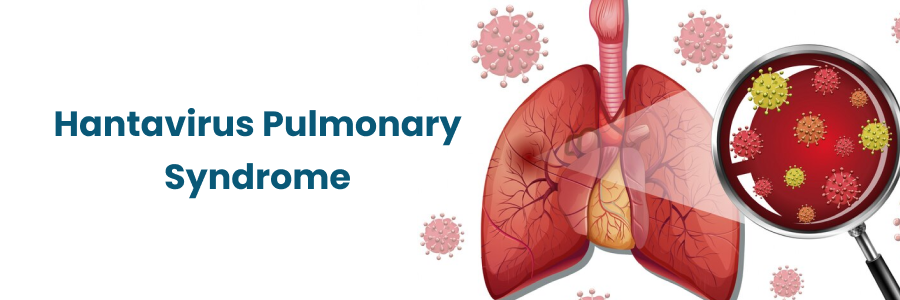
Hantavirus Pulmonary Syndrome
Hantavirus Pulmonary Syndrome (HPS) is a severe respiratory disease caused by hantaviruses. First identified in the United States in 1993, HPS has since been recognized in various countries worldwide. This article aims to provide a comprehensive understanding of HPS, including its symptoms, causes, diagnosis, treatment options, transmission, and prevention strategies.
What is Hantavirus Pulmonary Syndrome?
Hantavirus Pulmonary Syndrome is a rare but potentially fatal disease characterized by sudden onset of fever, muscle aches, and severe respiratory distress. The primary hantaviruses responsible for HPS in North America include the Sin Nombre virus and other related viruses found in rodent populations.
Get a second opinion from trusted experts and makeconfident, informed decisions.
Get Second OpinionNot sure where to start?
Talk to a patient care advisor — free, confidential, 24/7. We'll match you to the right specialist and book your appointment in minutes.
Causes of Hantavirus Pulmonary Syndrome (HPS)
HPS is primarily caused by inhalation of aerosolized virus particles from rodent excrement, including urine, droppings, and saliva. The virus can become airborne when disturbed, making it easy for humans to inhale. The primary rodent hosts in North America are deer mice, cotton rats, rice rats, and white-footed mice.
Rodent Hosts and Their Habitats
Understanding the specific rodent hosts and their habitats is crucial for identifying potential HPS risk areas. Deer mice, for example, are commonly found in rural and semi-rural areas, particularly in barns, sheds, and other sheltering structures. These environments can facilitate the accumulation of rodent excreta, increasing the risk of hantavirus transmission.
Transmission of Hantavirus Pulmonary Syndrome
Hantavirus transmission to humans primarily occurs through the inhalation of aerosolized virus particles. However, other transmission routes include direct contact with rodent excrement or contaminated surfaces and, in rare cases, rodent bites. There is currently no evidence to suggest human-to-human transmission of HPS.
Symptoms of Hantavirus Pulmonary Syndrome
HPS symptoms can be divided into two phases: the prodromal phase and the cardiopulmonary phase.
Prodromal Phase
The prodromal phase lasts approximately 3-5 days and is characterized by non-specific flu-like symptoms, including:
- Fever
- Chills
- Myalgia (muscle aches)
- Headache
- Nausea
- Vomiting
- Abdominal pain
These symptoms can easily be mistaken for other viral infections, making early diagnosis challenging.
Cardiopulmonary Phase
The cardiopulmonary phase follows the prodromal phase and involves rapid progression to severe respiratory distress. Key symptoms include:
- Cough
- Shortness of breath
- Tachypnea (rapid breathing)
- Hypotension (low blood pressure)
- Pulmonary edema (fluid accumulation in the lungs)
This phase can lead to respiratory failure and, if untreated, can be fatal within a few days.
Diagnosis of Hantavirus Infections
Diagnosing HPS can be challenging due to its non-specific early symptoms and its rarity. However, early diagnosis is crucial for improving patient outcomes. Diagnostic methods include:
Clinical Evaluation
A thorough clinical evaluation, including a detailed patient history and physical examination, is essential for identifying potential HPS cases. Physicians should inquire about recent rodent exposure, travel history, and any symptoms consistent with HPS.
Laboratory Testing
Laboratory testing is necessary to confirm HPS diagnosis. Common tests include:
- Serology: Detects antibodies against hantaviruses in the patient's blood.
- PCR (Polymerase Chain Reaction): Identifies hantavirus RNA in blood or tissue samples.
- Immunohistochemistry: Detects hantavirus antigens in tissue samples.
Early diagnosis and prompt medical intervention can significantly improve patient outcomes.
Treatment Options for Hantavirus Pulmonary Syndrome
Currently, no specific antiviral treatment exists for HPS. Treatment primarily focuses on supportive care to manage symptoms and improve patient outcomes.
Supportive Care
Supportive care for HPS patients includes:
- Oxygen Therapy: Provides supplemental oxygen to improve oxygenation and alleviate respiratory distress.
- Mechanical Ventilation: This may be necessary for patients with severe respiratory failure.
- Fluid Management: Carefully managing fluid intake and output to prevent pulmonary edema.
Experimental Treatments
Research is ongoing to identify potential antiviral treatments for HPS. Ribavirin, an antiviral medication, has shown some promise in laboratory studies, but its efficacy in treating HPS in humans remains unproven.
Hantavirus Pulmonary Syndrome Prevention Strategies
Preventing HPS involves minimizing exposure to rodents and their excreta. Key prevention strategies include:
Rodent Control
Effective rodent control measures can significantly reduce the risk of hantavirus exposure. These measures include:
- Sealing Entry Points: Close gaps and holes in buildings to prevent rodent entry.
- Proper Food Storage: Store food in rodent-proof containers and promptly clean up food spills.
- Eliminating Rodent Habitats: Remove debris, woodpiles, and other materials that can provide shelter for rodents.
Your health is everything - prioritize your well-being today.
Schedule Your AppointmentSafe Cleaning Practices
When cleaning areas contaminated with rodent excreta, follow these safety guidelines:
- Ventilation: Open windows and doors to ventilate the area for at least 30 minutes before cleaning.
- Protective Gear: Wear gloves, masks, and goggles to protect against inhalation and contact with rodent excreta.
- Disinfection: Use a bleach solution (1 part bleach to 10 parts water) to disinfect contaminated surfaces.
Public Awareness
Raising public awareness about HPS and its transmission routes is crucial for prevention. Public health campaigns should focus on educating people about the risks associated with rodent exposure and promoting safe cleaning practices.
Conclusion
Hantavirus Pulmonary Syndrome is a severe and potentially fatal disease caused by hantaviruses. Understanding its symptoms, causes, transmission routes, and prevention strategies is essential for minimizing the risk of infection. While no specific antiviral treatment exists, early diagnosis and supportive care can significantly improve patient outcomes. By implementing effective rodent control measures and safe cleaning practices, individuals can reduce their risk of contracting HPS and protect their health.
Frequently Asked Questions
HPS is caused by hantavirus, which is transmitted to humans through contact with rodent droppings, urine, or saliva.
Early symptoms include fever, fatigue, and muscle aches, followed by shortness of breath and respiratory distress.
Hantavirus spreads through direct contact with infected rodents, inhaling aerosolized particles, or bites from infected animals.
Diagnosis involves blood tests to detect hantavirus antibodies, along with clinical evaluation of symptoms and patient history.
While no specific antiviral exists, treatment focuses on managing symptoms and providing respiratory support in a hospital.
- Cardiology
- Case Studies
- Dermatology
- Endocrinology
- ENT
- Fertility
- Gastroenterology
- General
- General-Medicine
- Gynecology
- Hematology
- Infectious-Diseases
- Medical News
- Neurology
- Oncology
- Ophthalmology
- Orthopedics
- Pediatrics
- Procedure
- Public-Health
- Pulmonology
- Radiology
- Second Opinion
- Urology
- Wellness
- Woman-and-child
Related Blogs
Still have questions? Speak with our experts now!
040-68334455


