 Call
Call Patient Reports
- Cardiology 84
- Dermatology 45
- Endocrinology 33
- ENT 16
- Fertility 190
- Gastroenterology 78
- General-Medicine 81
- Gynecology 80
- Hematology 19
- Infectious-Diseases 33
- Neurology 52
- Oncology 34
- Ophthalmology 23
- Orthopedics 69
- Pediatrics 31
- Procedure 23
- Public-Health 144
- Pulmonology 59
- Radiology 8
- Urology 68
- Wellness 161
- Woman-and-child 77
- 3759
- 3.5 Minute
Gastroschisis: Key Causes and How to Manage This Condition
Understanding gastroschisis, a congenital anomaly of the abdominal wall, is critical for healthcare professionals and expectant parents alike. This condition, characterized by the extrusion of abdominal contents through a defect near the umbilicus, necessitates prompt medical intervention and meticulous prenatal care. Know the causes, symptoms, diagnosis, and treatment options for gastroschisis, offering a overview for those seeking to understand this complex condition.
What is Gastroschisis?
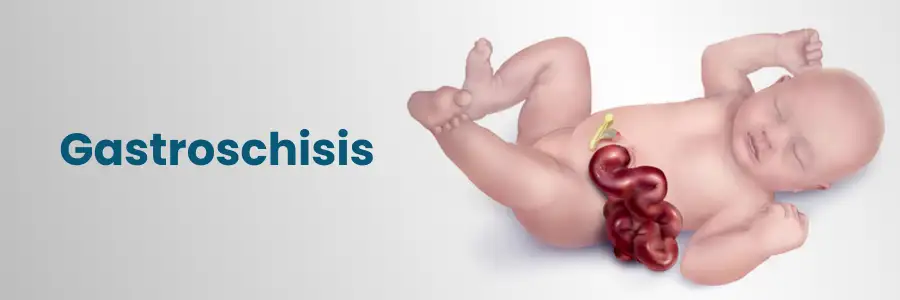
Gastroschisis is a birth defect where an infant’s intestines extend outside of the body through a hole beside the belly button. Unlike omphalocele, another abdominal wall defect, the intestines are not covered by a protective sac. This exposure to amniotic fluid can cause inflammation and damage to the intestines, leading to complications.
Causes of Gastroschisis
Genetic and Environmental Factors
The exact etiology of gastroschisis remains unclear, but it is believed to result from a combination of genetic and environmental factors. Research indicates that disruptions in the development of the abdominal wall during early pregnancy play a pivotal role. Possible risk factors include:
- Maternal age: Teen mothers are at a higher risk.
- Nutritional factors: Deficiencies in certain nutrients during pregnancy.
- Substance use: Smoking, alcohol, and recreational drug use have been linked to an increased risk of gastroschisis.
- Exposure to certain medications: These can potentially disrupt fetal development.
Genetic Predisposition
While gastroschisis is generally considered a sporadic condition, there is evidence to suggest a genetic predisposition in some cases. Familial occurrences of gastroschisis, although rare, have been documented, indicating that genetic mutations may contribute to its development.
Get a second opinion from trusted experts and makeconfident, informed decisions.
Get Second OpinionNot sure where to start?
Talk to a patient care advisor — free, confidential, 24/7. We'll match you to the right specialist and book your appointment in minutes.
Symptoms of Gastroschisis
The primary symptom of gastroschisis is the visible extrusion of the intestines through the abdominal wall defect. This condition is typically diagnosed prenatally through routine ultrasound screenings, where the protruding intestines can be observed.
Other symptoms and complications include:
- Intestinal damage: Due to prolonged exposure to amniotic fluid.
- Growth restriction: Infants with gastroschisis often have lower birth weights.
- Feeding difficulties: Postnatal feeding issues due to compromised intestinal function.
- Infection risk: Increased susceptibility to infections.
Diagnosis of Gastroschisis
Prenatal screening plays a critical role in diagnosing gastroschisis. Ultrasound examinations, typically performed around the 18th to 20th week of pregnancy, can reveal the presence of the abdominal wall defect. Key diagnostic indicators include:
- Visualization of the defect: Direct observation of the intestines outside the fetal abdomen.
- Elevated alpha-fetoprotein (AFP) levels: Abnormal AFP levels in maternal blood tests can indicate potential abdominal wall defects, prompting further investigation through ultrasound.
Differential Diagnosis: Gastroschisis vs. Omphalocele
Distinguishing between gastroschisis and omphalocele is crucial, as they require different management approaches. Omphalocele is characterized by the presence of a protective sac covering the herniated organs, whereas gastroschisis lacks this membrane. Ultrasound imaging and the appearance of the defect help differentiate between the two conditions.
Treatment Options for Gastroschisis
Prenatal Management
Management of gastroschisis begins with prenatal care aimed at monitoring fetal development and planning for postnatal intervention. Regular ultrasound examinations assess the condition of the intestines and the overall health of the fetus. In some cases, early delivery may be considered to mitigate the risks associated with prolonged exposure to amniotic fluid.
Postnatal Surgical Intervention
Surgical intervention is necessary to repair the abdominal wall defect and reposition the intestines within the abdominal cavity. The timing and approach of surgery depend on the severity of the condition and the infant’s overall health. Common surgical procedures include:
- Primary closure: Directly closing the abdominal wall defect shortly after birth.
- Staged repair: For more severe cases, a silo (a protective pouch) is placed over the exposed intestines, gradually reducing them back into the abdomen over several days before closing the defect.
Postoperative Care and Long-term Management
Postoperative care focuses on ensuring proper intestinal function, preventing infection, and supporting overall growth and development. This includes:
- Nutritional support: Administering total parenteral nutrition (TPN) until the infant can tolerate oral or enteral feeding.
- Monitoring for complications: Regular assessments to detect and address any potential postoperative complications, such as bowel obstruction or infection.
Long-term management may involve ongoing medical follow-up to monitor growth, development, and gastrointestinal function. Some infants may require additional surgeries or interventions as they grow.
Your health is everything - prioritize your well-being today.
Schedule Your AppointmentPrognosis and Outcomes
The prognosis for infants with gastroschisis has improved significantly with advances in prenatal diagnosis, surgical techniques, and neonatal care. Most infants with gastroschisis survive and thrive with appropriate medical intervention. However, the long-term outcomes can vary depending on the severity of the condition and the presence of any associated complications.
Conclusion
Understanding gastroschisis, from its causes and symptoms to its diagnosis and treatment options, is essential for healthcare providers and expectant parents. Early diagnosis through prenatal screening, coupled with timely surgical intervention and postoperative care, can significantly improve outcomes for infants affected by this congenital anomaly.
By fostering a deeper understanding of gastroschisis and its management, we can better support families navigating this challenging journey and enhance the quality of care provided to affected infants.
Frequently Asked Questions
Gastroschisis is caused by abnormal fetal development where the abdominal wall does not form properly, leading to intestines protruding outside the body.
Symptoms include visible protrusion of the intestines from the baby’s abdomen, often diagnosed prenatally via ultrasound.
Prenatal screening, such as an ultrasound, can help diagnose gastroschisis, revealing the condition in utero.
Surgery is the primary treatment for gastroschisis to safely reposition the organs inside the abdomen after birth.
While both involve abdominal wall defects, in omphalocele, organs are covered by a protective sac, unlike gastroschisis.
- Cardiology
- Case Studies
- Dermatology
- Endocrinology
- ENT
- Fertility
- Gastroenterology
- General
- General-Medicine
- Gynecology
- Hematology
- Infectious-Diseases
- Medical News
- Neurology
- Oncology
- Ophthalmology
- Orthopedics
- Pediatrics
- Procedure
- Public-Health
- Pulmonology
- Radiology
- Second Opinion
- Urology
- Wellness
- Woman-and-child
Related Blogs
Still have questions? Speak with our experts now!
040-68334455


