 Call
Call Patient Reports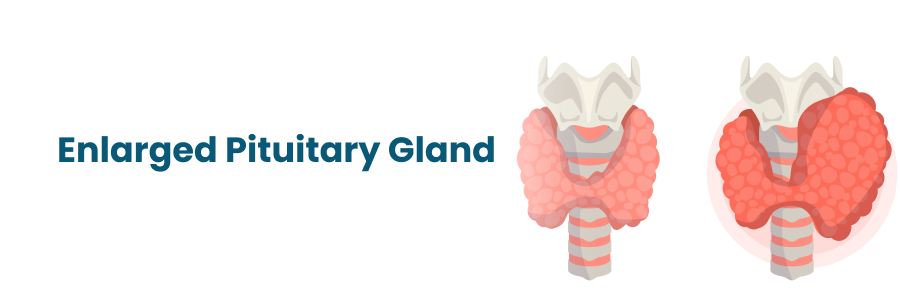
- 3759
- 3.5 Minute
Causes & Symptoms of Enlarged Pituitary Gland: A Guide
Having an enlarged pituitary gland could affect your everyday life and cause numerous symptoms. Strange headaches, altered vision, hormonal alterations? Symptoms of an enlarged pituitary gland, which must be diagnosed early, and treated to prevent further complications.
Symptoms of an Enlarged Pituitary Gland
When the pituitary gland becomes enlarged, it can lead to a range of symptoms that vary depending on the underlying cause and the size of the enlargement. Some common symptoms include:
- Headaches
- Changes in vision, such as double vision or loss of peripheral vision
- Hormonal imbalances
- fatigue and weakness
For any of those symptoms, it's important that you see a healthcare provider for proper evaluation and diagnosis.
Get a second opinion from trusted experts and makeconfident, informed decisions.
Get Second OpinionNot sure where to start?
Talk to a patient care advisor — free, confidential, 24/7. We'll match you to the right specialist and book your appointment in minutes.
Causes of Pituitary Gland Enlargement
There are several factors that can contribute to the enlargement of the pituitary gland. Some common causes include:
- Pituitary adenoma: A noncancerous tumor of the pituitary gland
- Hormonal imbalances: Disruptions in hormone levels can lead to pituitary enlargement
- Endocrine dysfunction: Malfunction of the endocrine system can affect the pituitary gland
Understanding the underlying cause of the pituitary gland enlargement is crucial for determining the appropriate treatment approach.
Enlarged Pituitary Gland Risk Factors
Some risk factors may make you more likely to have an enlarged pituitary gland. These include:
- Family History of Pituitary Disorders: Individuals with a family history of pituitary tumours or endocrine conditions may have a higher genetic predisposition to gland enlargement.
- Chronic Endocrine Disorders: Conditions such as hypothyroidism, adrenal insufficiency, or polycystic ovary syndrome (PCOS) can disrupt hormone levels, potentially leading to pituitary enlargement.
- Long-Term Hormonal Medication Use: Prolonged use of medications like corticosteroids, hormone replacement therapy, or specific fertility treatments may affect pituitary function and contribute to abnormal growth.
While these risk factors do not guarantee gland enlargement, being aware of them can help in early detection and timely medical intervention. If you have any of these risk factors and experience symptoms, consult a healthcare provider for evaluation.
Pituitary Adenoma and Enlargement
Pituitary adenomas are the most common cause of pituitary gland enlargement. These noncancerous tumors can press on the surrounding tissues and affect hormone production, leading to a variety of symptoms.
Depending on the size and location of the adenoma, treatment options may include medication, surgery, or radiation therapy.
Diagnosing Pituitary Disorders
Diagnosing an enlarged pituitary gland involves a comprehensive evaluation that may include:
- Physical examination
- Neurological assessment
- Blood tests to assess hormone levels
- Imaging studies such as MRI evaluation
These diagnostic tests help healthcare providers identify the underlying cause of the pituitary gland enlargement and develop an appropriate treatment plan.
Treatment for Enlarged Pituitary Gland
If the pituitary gland is enlarged, the treatment will then depend on the cause and severity of the symptoms. Some of the more common treatment options include:
- Medications to regulate hormone levels
- Surgery to remove pituitary tumors
- Radiation therapy to shrink tumors
- Regular monitoring and follow-up care
It is important to collaborate with your healthcare team to establish the most appropriate course of treatment for your particular situation.
Hormonal Imbalances and Pituitary Enlargement
Hormonal imbalances can play a significant role in the development of pituitary gland enlargement. When hormone levels are disrupted, it can affect the function of the pituitary gland, leading to abnormal growth and potential tumor formation. Managing hormonal imbalances through medication or other therapies is essential for controlling the enlargement of the pituitary gland.
Enlarged Pituitary Gland and Vision Problems
An enlarged pituitary gland can impact the optic nerves and surrounding structures, causing vision problems such as double vision, blurred vision, or tunnel vision. These visual changes often occur due to the compression of the optic chiasm by an enlarged pituitary gland or tumor. Prompt diagnosis and treatment are crucial to prevent permanent vision loss.
Your health is everything - prioritize your well-being today.
Schedule Your AppointmentConclusion
Compression of surrounding tissues by a growing pituitary gland can result in a host of symptoms, such as hormonal imbalances, visual disturbances and headaches.) It is important to identify the causes and symptoms of the enlargement of the pituitary gland in order to diagnose and treat the condition early. The information provided here is only a general guide, and if you have any worrying symptoms you should take a trip to a healthcare provider for full evaluation and treatment plan to manage your condition effectively.
No, but it can be caused by a pituitary adenoma, a noncancerous tumor. The pituitary gland is part of the endocrine system, not the brain.
Frequently Asked Questions
Not directly, but if a pituitary tumor grows large, it may press on brain structures, rarely triggering seizures. If you have seizures with vision or hormonal issues, seek medical advice.
An enlarged pituitary gland is diagnosed through imaging tests like MRI or CT scans, hormone level assessments, and visual field testing.
Yes, an enlarged pituitary gland can lead to various health issues due to hormonal imbalances it may cause.
Treatment options for an enlarged pituitary gland include medication, surgery, and radiation therapy. Consult a healthcare provider for personalized care.
An enlarged pituitary gland can disrupt hormone production, leading to imbalances that affect various bodily functions.
- Cardiology
- Case Studies
- Dermatology
- Endocrinology
- ENT
- Fertility
- Gastroenterology
- General
- General-Medicine
- Gynecology
- Hematology
- Infectious-Diseases
- Medical News
- Neurology
- Oncology
- Ophthalmology
- Orthopedics
- Pediatrics
- Procedure
- Public-Health
- Pulmonology
- Radiology
- Second Opinion
- Urology
- Wellness
- Woman-and-child
Related Blogs
Still have questions? Speak with our experts now!
040-68334455


