 Call
Call Patient Reports
- Cardiology 84
- Dermatology 45
- Endocrinology 33
- ENT 16
- Fertility 190
- Gastroenterology 78
- General-Medicine 81
- Gynecology 80
- Hematology 19
- Infectious-Diseases 33
- Neurology 52
- Oncology 34
- Ophthalmology 23
- Orthopedics 69
- Pediatrics 31
- Procedure 23
- Public-Health 144
- Pulmonology 59
- Radiology 8
- Urology 68
- Wellness 161
- Woman-and-child 77
- 3778
- 3.1 Minute
Early Symptoms of Anal Cancer in Vizag
Recognizing the early signs of anal cancer can be a life-saving step. This rare type of cancer often goes unnoticed due to its subtle initial symptoms.
Yet, early detection is crucial. It can lead to successful treatment and improved outcomes.
In this article, we will discuss the early symptoms of anal cancer. We aim to raise awareness and encourage individuals to seek medical advice if they experience any of these signs.
Whether you're seeking information for yourself or a loved one, understanding these early warning signs is essential. Let's delve into the topic and shed light on this often overlooked health concern.
Get a second opinion from trusted experts and makeconfident, informed decisions.
Get Second OpinionNot sure where to start?
Talk to a patient care advisor — free, confidential, 24/7. We'll match you to the right specialist and book your appointment in minutes.
What is Anal Cancer?
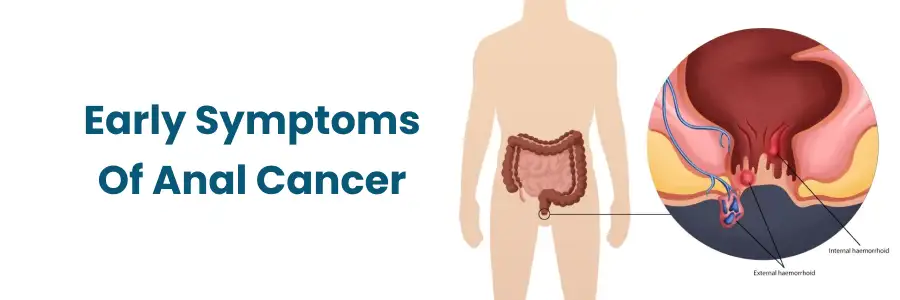
Anal cancer is a type of malignancy that occurs in the anal canal. This canal is the short tube at the end of your rectum through which stool leaves your body.
Despite being less common than other types of cancer, anal cancer can be just as serious. It's important to understand its symptoms and risk factors to ensure early detection and treatment.
The Importance of Early Detection
Detecting anal cancer early significantly improves the chances of successful treatment. Early-stage anal cancer is often curable, especially when found and treated promptly.
However, awareness about anal cancer is generally lower compared to other types of cancer. This lack of awareness can impact early detection. Therefore, it's crucial to educate oneself about the early signs and symptoms of this disease.
Common Early Symptoms of Anal Cancer
The early symptoms of anal cancer can vary from person to person. However, there are some common signs that should not be ignored. These symptoms can be mistaken for other conditions, such as hemorrhoids, which can delay diagnosis.
It's important to remember that having these symptoms does not necessarily mean you have anal cancer. However, if you experience any of these symptoms persistently, it's crucial to consult a healthcare provider.
The most common early symptoms of anal cancer include:
- Rectal bleeding
- Anal pain
- Itching or discharge from the anus
- Sensation of a lump or mass in the anal area
- Changes in bowel habits
Rectal Bleeding and Anal Pain
Rectal bleeding is often one of the first noticeable signs of anal cancer. This can range from a small amount of bright red blood on toilet paper to heavier bleeding with bowel movements.
Anal pain can also be an early symptom. This may be a constant pain or it may come and go. It's important to note that any persistent anal pain should be evaluated by a healthcare provider.
Itching, Discharge, and Lump Sensation
Itching around the anus or an unusual discharge can also be early signs of anal cancer. These symptoms can be uncomfortable and may be mistaken for less serious conditions.
Some patients may also experience a sensation of a lump or mass in the anal area. This can be accompanied by a feeling of fullness or pressure in the anal area.
Changes in Bowel Habits
Changes in bowel habits can also be a sign of anal cancer. This may include diarrhea, constipation, or a change in the size of the stool.
These changes can be subtle and may occur over a period of time. It's important to pay attention to your body and seek medical advice if you notice any persistent changes in your bowel habits.
Less Common Symptoms and Warning Signs
While the symptoms mentioned above are more common, there are other less common signs that could indicate anal cancer. These symptoms are often non-specific, meaning they can be associated with many different conditions.
However, if you experience these symptoms persistently, it's important to seek medical advice. The less common symptoms of anal cancer include:
- Unexplained weight loss
- Night sweats
- Fatigue
- Persistent feeling of fullness or pressure in the anal area
Unexplained Weight Loss and Night Sweats
Unexplained weight loss can sometimes be associated with anal cancer. This is usually a loss of 10% or more of body weight without trying.
Night sweats, which are episodes of excessive sweating during sleep, may also be a symptom. While these symptoms can be associated with many conditions, persistent night sweats should be evaluated by a healthcare provider.
Fullness or Pressure in the Anal Area
A persistent feeling of fullness or pressure in the anal area should not be ignored. This can be due to a tumor in the anal canal or rectum.
This symptom can be uncomfortable and may affect your daily activities. If you experience this symptom persistently, it's important to seek medical advice.
Your health is everything - prioritize your well-being today.
Schedule Your AppointmentRisk Factors for Anal Cancer
Understanding the risk factors for anal cancer can help in early detection and prevention. While anyone can develop anal cancer, certain factors increase the risk. These include:
- Human papillomavirus (HPV) infection
- Smoking
- Compromised immune system
- Age over 50
- Certain sexual practices
HPV and Lifestyle Factors
HPV infection is a significant risk factor for anal cancer. This virus is sexually transmitted and certain types are known to cause cancers, including anal cancer.
Smoking and having a compromised immune system, such as in HIV infection, also increase the risk. Quitting smoking and managing immune-related conditions can help reduce this risk.
Age, Gender, and Sexual Practices
Anal cancer is more common in individuals over the age of 50. However, it can occur at any age.
Certain sexual practices, such as receptive anal intercourse, increase the risk. Men who have sex with men and individuals with multiple sexual partners have a higher risk. Using condoms can reduce the risk of HPV transmission, a leading cause of anal cancer.
When to See a Doctor
Experiencing any of the symptoms discussed does not necessarily mean you have anal cancer. However, persistent symptoms, regardless of severity, warrant a visit to a healthcare provider.
It's important to remember that early symptoms of anal cancer can be mistaken for other conditions, such as hemorrhoids. This can delay diagnosis and treatment.
Discussing any anal cancer symptoms with a doctor is essential, even if they seem minor. It's better to seek medical advice early than to wait and worry. Remember, early detection of anal cancer can lead to better treatment outcomes.
Screening and Diagnosis
Screening for anal cancer is not a routine procedure for the general population. However, certain high-risk groups may benefit from regular screening. These include individuals with multiple sexual partners, men who have sex with men, and those with a history of HPV infection or other cancers.
Screening methods can include anal Pap tests, digital rectal exams (DRE), and imaging tests. A biopsy is necessary to confirm the diagnosis of anal cancer.
Remember, early detection is key. Regular screening and awareness of personal risk factors can lead to earlier diagnosis and better treatment outcomes.
Anal Pap Tests and Digital Rectal Exams
An anal Pap test is similar to a cervical Pap test. It involves collecting cells from the anus to test for abnormalities. This test can help detect anal cancer early in high-risk populations.
A digital rectal exam (DRE) is another screening method. During a DRE, a healthcare provider uses a gloved finger to feel for abnormalities in the anal canal. This simple procedure can help detect anal tumors early.
Imaging Tests and Biopsy
Imaging tests like an MRI or CT scan may be used to diagnose anal cancer. These tests provide detailed images of the anal canal and surrounding tissues, helping doctors identify any abnormal growths.
A biopsy is the definitive test for diagnosing anal cancer. During a biopsy, a small sample of tissue is removed from the anal canal and examined under a microscope. This test can confirm the presence of cancer cells and determine the type and stage of the cancer.
Conclusion: Taking Action and Raising Awareness
Anal cancer is a serious condition, but early detection can significantly improve treatment outcomes. Recognizing the early signs and symptoms of anal cancer is crucial. If you experience any of these symptoms, don't hesitate to consult a healthcare provider.
Raising awareness about anal cancer is also important. Sharing information about the early signs, risk factors, and screening methods can help others recognize the importance of early detection.
Frequently Asked Questions
Early signs include rectal bleeding, itching, pain, or lumps around the anus, and changes in bowel habits.
While less common than other cancers, anal cancer is still a concern, particularly for individuals with risk factors such as HPV infection.
If you experience persistent symptoms like bleeding, pain, or lumps, it's important to consult a healthcare provider in Vizag for evaluation.
Diagnostic tests may include a physical examination, anoscopy, biopsy, and imaging tests to determine the presence and extent of cancer.
Preventative measures include HPV vaccination, regular screenings for those at risk, and practicing safe sexual behaviors.
- Cardiology
- Case Studies
- Dermatology
- Endocrinology
- ENT
- Fertility
- Gastroenterology
- General
- General-Medicine
- Gynecology
- Hematology
- Infectious-Diseases
- Medical News
- Neurology
- Oncology
- Ophthalmology
- Orthopedics
- Pediatrics
- Procedure
- Public-Health
- Pulmonology
- Radiology
- Second Opinion
- Urology
- Wellness
- Woman-and-child
Related Blogs
Still have questions? Speak with our experts now!
040-68334455


