 Call
Call Patient Reports
- Cardiology 84
- Dermatology 45
- Endocrinology 33
- ENT 16
- Fertility 190
- Gastroenterology 78
- General-Medicine 81
- Gynecology 80
- Hematology 19
- Infectious-Diseases 33
- Neurology 52
- Oncology 34
- Ophthalmology 23
- Orthopedics 69
- Pediatrics 31
- Procedure 23
- Public-Health 144
- Pulmonology 59
- Radiology 8
- Urology 68
- Wellness 161
- Woman-and-child 77
- 3759
- 3.5 Minute
Understanding the Side Effects of Desosoft Lotion
In the realm of dermatological treatments, Desosoft Lotion has emerged as a frequently recommended option for addressing various skin conditions. While its efficacy is widely acknowledged, understanding the side effects associated with Desosoft Lotion is crucial for both healthcare providers and patients. This article delves into the composition, usage, and potential adverse effects of Desosoft Lotion, providing a comprehensive guide for informed decision-making.
Get a second opinion from trusted experts and makeconfident, informed decisions.
Get Second OpinionNot sure where to start?
Talk to a patient care advisor — free, confidential, 24/7. We'll match you to the right specialist and book your appointment in minutes.
What is Desosoft Lotion?
Desosoft Lotion is a topical medication primarily used to treat inflammatory skin conditions such as eczema, dermatitis, and psoriasis. Its composition includes a blend of active ingredients designed to reduce inflammation, itching, and redness. The lotion is often prescribed for its potent anti-inflammatory and immunosuppressive properties.
Composition of Desosoft Lotion
The active ingredients in Desosoft Lotion typically include:
- Desonide: A mild corticosteroid that helps reduce inflammation and itching.
- Emollients: These substances moisturise the skin, helping to restore the natural barrier and prevent dryness.
The combination of these ingredients aims to provide symptomatic relief from various dermatological conditions.
How to Use Desosoft Lotion
Using Desosoft Lotion correctly is essential for maximising its benefits while minimising potential side effects. Here are the general steps for application:
- Clean the Affected Area: Before applying the lotion, ensure that the skin is clean and dry.
- Apply a Thin Layer: Use a small amount of lotion and spread it evenly over the affected area.
- Rub Gently: Massage the lotion gently into the skin until it is fully absorbed.
- Frequency: Follow the prescribed frequency, usually 1-2 times daily, or as directed by your healthcare provider.
It is imperative to adhere to the prescribed dosage and application frequency to avoid adverse effects.
Potential Side Effects of Desosoft Lotion
While Desosoft Lotion is generally well-tolerated, it can cause side effects, especially if misused or for extended periods. Understanding these potential adverse effects is crucial for safe usage.
Common Side Effects
Some common side effects of Desosoft Lotion include:
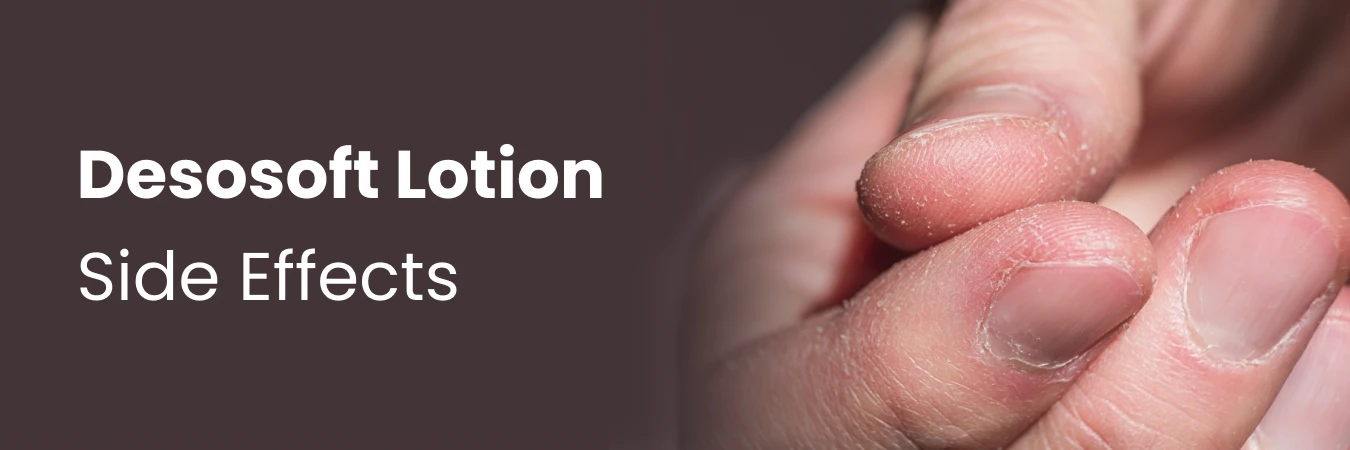
- Skin Irritation: Redness, itching, or burning sensation at the application site.
- Dryness: Overuse can lead to excessive dryness of the skin.
- Folliculitis: Inflammation of hair follicles, characterized by red, pimple-like bumps.
Rare but Serious Side Effects
Although rare, some severe side effects may occur, necessitating immediate medical attention:
- Allergic Reactions: Severe itching, rash, or swelling, particularly of the face, tongue, or throat.
- Skin Atrophy: Thinning of the skin, which can make it more susceptible to injuries.
- Systemic Absorption: Prolonged use over large areas of skin can lead to systemic absorption of the corticosteroid, potentially causing hormonal imbalances.
Desosoft Lotion for Babies
Desosoft Lotion is sometimes prescribed for infants and young children to treat skin conditions such as eczema. However, caution is warranted due to the delicate nature of their skin.
Special Considerations for Pediatric Use
- Lower Dosage: Pediatric patients often require a lower dosage and less frequent application.
- Close Monitoring: Regular follow-ups with a healthcare provider are essential to monitor for side effects.
- Avoid Prolonged Use: Extended use should be avoided to minimize the risk of systemic absorption and other adverse effects.
Parents should consult their healthcare provider for specific guidance tailored to their child's needs.
Precautions and Contraindications
Certain precautions should be observed to ensure the safe use of Desosoft Lotion:
General Precautions
- Avoid Open Wounds: Do not apply the lotion to broken or infected skin.
- Use Sparingly: Apply only as much as needed to cover the affected area.
- Avoid Long-term Use: Prolonged use can increase the risk of side effects.
Contraindications
Desosoft Lotion is contraindicated in individuals with:
- Allergy to Corticosteroids: Those with known hypersensitivity to corticosteroids should avoid using this lotion.
- Untreated Skin Infections: The lotion should not be applied to untreated bacterial, viral, or fungal infections.
Interaction with Other Medications
Desosoft Lotion can interact with other medications, potentially altering its effectiveness or increasing the risk of side effects. Inform your healthcare provider about all other medications you are currently taking, including over-the-counter drugs and supplements.
Potential Interactions
- Other Topical Medications: Using multiple topical medications simultaneously can lead to cumulative side effects.
- Systemic Corticosteroids: Concurrent use of systemic corticosteroids can amplify the effects and side effects of Desosoft Lotion.
Your health is everything - prioritize your well-being today.
Schedule Your AppointmentConclusion
Desosoft Lotion is a valuable tool in the management of various dermatological conditions, offering significant relief from symptoms like inflammation and itching. However, like all medications, it carries the risk of side effects, particularly when used improperly. Understanding these risks, along with the correct application techniques, can help optimise its benefits while minimising adverse outcomes.
Frequently Asked Questions
Side effects may include mild irritation, redness, or itching. If these symptoms persist or worsen, stop using the lotion and consult a doctor.
In rare cases, allergic reactions may occur. Symptoms include swelling, rash, or difficulty breathing. Discontinue use and seek medical attention.
Yes, stop using Desosoft Lotion immediately if you experience any severe side effects and consult your doctor for alternative treatments.
Prolonged use without medical guidance may lead to skin thinning, especially on sensitive areas like the face. Use as directed by a healthcare provider.
Always use the lotion as prescribed and avoid overuse. Follow your doctor's instructions carefully to reduce the risk of side effects.
Disclaimer: The information provided is accurate and up-to-date to the best of our knowledge. However, it should not be considered a substitute for medical advice or consultation. We do not guarantee its completeness or accuracy. The absence of specific warnings does not mean a medicine is safe for all users. We are not responsible for any outcomes based on this information and strongly recommend consulting a doctor for any medical concerns or questions.
- Cardiology
- Case Studies
- Dermatology
- Endocrinology
- ENT
- Fertility
- Gastroenterology
- General
- General-Medicine
- Gynecology
- Hematology
- Infectious-Diseases
- Medical News
- Neurology
- Oncology
- Ophthalmology
- Orthopedics
- Pediatrics
- Procedure
- Public-Health
- Pulmonology
- Radiology
- Second Opinion
- Urology
- Wellness
- Woman-and-child
Related Blogs
Still have questions? Speak with our experts now!
040-68334455


