 Call
Call Patient Reports
- Cardiology 84
- Dermatology 45
- Endocrinology 33
- ENT 16
- Fertility 190
- Gastroenterology 78
- General-Medicine 81
- Gynecology 80
- Hematology 19
- Infectious-Diseases 33
- Neurology 52
- Oncology 34
- Ophthalmology 23
- Orthopedics 69
- Pediatrics 31
- Procedure 23
- Public-Health 144
- Pulmonology 59
- Radiology 8
- Urology 68
- Wellness 161
- Woman-and-child 77
- 3759
- 3.5 Minute
Health Benefits and Uses of Cinnamon
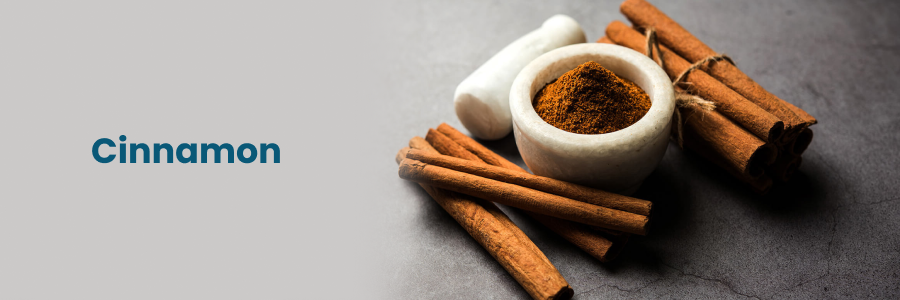
Cinnamon, a spice derived from the inner bark of trees in the Cinnamomum genus, has been revered for its medicinal properties for thousands of years. Not only does it impart a warm and aromatic flavor to dishes, but it also boasts numerous health benefits and versatile uses. In this article, we will delve into the myriad health advantages of cinnamon, its potential role in weight management, its impact on blood sugar levels, and its antioxidant properties. Additionally, we will explore various practical applications of cinnamon powder in everyday life.
Get a second opinion from trusted experts and makeconfident, informed decisions.
Get Second OpinionNot sure where to start?
Talk to a patient care advisor — free, confidential, 24/7. We'll match you to the right specialist and book your appointment in minutes.
The Nutritional Profile of Cinnamon
Cinnamon is a rich source of several essential nutrients and bioactive compounds. A single teaspoon (2.6 grams) of ground cinnamon contains:
- Calories: 6
- Carbohydrates: 2 grams
- Fiber: 1 gram
- Calcium: 26 mg
- Iron: 0.2 mg
- Magnesium: 1 mg
- Phosphorus: 1 mg
- Potassium: 11 mg
Apart from these nutrients, cinnamon is packed with potent antioxidants, which play a crucial role in safeguarding the body against oxidative stress.
Cinnamon Benefits: A Comprehensive Overview
Antioxidant Properties of Cinnamon
Cinnamon is renowned for its high antioxidant content, particularly polyphenols. Antioxidants are vital for neutralizing free radicals and unstable molecules that can damage cells and contribute to chronic diseases. Studies have shown that cinnamon's antioxidant activity is higher than that of several other spices and even some superfoods.
Anti-inflammatory Effects
Chronic inflammation contributes to numerous health conditions, including heart disease, cancer, and neurodegenerative disorders. Cinnamon contains compounds such as cinnamaldehyde, which exhibit significant anti-inflammatory properties. These compounds help reduce inflammation and may lower the risk of disease.
Blood Sugar Regulation
One of the most extensively studied benefits of cinnamon is its ability to regulate blood sugar levels. Cinnamon can enhance insulin sensitivity, making it easier for cells to absorb glucose. This can result in lower blood sugar levels and improved glycemic control. Some research even suggests that cinnamon can mimic the effects of insulin, further aiding in blood sugar management.
Cardiovascular Health
Cinnamon has been shown to improve several markers of heart health. It can reduce levels of total cholesterol, LDL (bad) cholesterol, and triglycerides while maintaining or even increasing HDL (good) cholesterol. Additionally, cinnamon's anti-inflammatory and antioxidant properties contribute to overall cardiovascular health by protecting against arterial damage.
Weight Management
Cinnamon may aid in weight loss and weight management in several ways. It can help regulate blood sugar levels, reducing sugar cravings and overeating. Furthermore, cinnamon has been shown to increase metabolism and promote fat burning. However, it is important to note that while cinnamon can support weight management efforts, it should not be relied upon as a sole solution for weight loss.
Culinary Applications
Cinnamon is a versatile spice that can be used in both sweet and savory dishes. Here are some popular culinary uses:
- Baking: Cinnamon is a staple in baking, adding warmth and depth to cakes, cookies, and pastries.
- Beverages: It can be used to flavor teas, coffees, smoothies, and even alcoholic drinks like mulled wine and cider.
- Savory Dishes: In specific cuisines, cinnamon is used in savory dishes such as curries, stews, and soups to add complexity and richness.
Medicinal Uses
Cinnamon has been used in traditional medicine for centuries to treat various ailments. Some of its medicinal uses include:
- Digestive Health: Cinnamon can help alleviate digestive issues such as bloating, indigestion, and nausea.
- Respiratory Health: It is often used to relieve symptoms of respiratory conditions like colds and coughs due to its antimicrobial properties.
- Skin Health: Cinnamon's antimicrobial and anti-inflammatory properties make it useful in treating skin conditions like acne and eczema.
Aromatherapy
Cinnamon essential oil is commonly used in aromatherapy for its warming and invigorating properties. It can be diffused to create a comforting atmosphere or diluted and applied topically to relieve muscle pain and improve circulation.
Cinnamon and Blood Sugar: A Closer Look
Cinnamon's impact on blood sugar levels has been the subject of numerous scientific studies. Here are some key findings:
- Insulin Sensitivity: Cinnamon can enhance insulin sensitivity, making cells more responsive to insulin and allowing for more efficient glucose uptake.
- Fasting Blood Sugar: Some studies have shown that cinnamon can reduce fasting blood sugar levels by up to 29%.
- Postprandial Blood Sugar: Cinnamon has been found to reduce postprandial (after-meal) blood sugar spikes by slowing the breakdown of carbohydrates in the digestive tract.
It is important to note that while cinnamon can support blood sugar management, it should not replace conventional diabetes treatments. Always consult with a healthcare provider before making any significant changes to your treatment regimen.
Potential Side Effects and Precautions
While cinnamon is generally safe for most people when consumed in moderate amounts, excessive intake can lead to potential side effects. These include:
- Liver Damage: Cassia cinnamon, the most common variety found in stores, contains high levels of coumarin, a compound that can cause liver damage in large amounts.
- Allergic Reactions: Some individuals may experience allergic reactions to cinnamon, such as skin irritation or gastrointestinal distress.
- Medication Interactions: Cinnamon can interact with certain medications, including blood thinners and diabetes medications. Consult with a healthcare provider if you are taking any medications that may interact with cinnamon.
To minimize the risk of side effects, consider using Ceylon cinnamon, also known as "true cinnamon," which contains lower levels of coumarin.
Your health is everything - prioritize your well-being today.
Schedule Your AppointmentConclusion
Cinnamon is a powerful spice with a rich history of medicinal use and a wide range of health benefits. From its antioxidant and anti-inflammatory properties to its potential role in blood sugar regulation and weight management, cinnamon can be a valuable addition to a healthy lifestyle. However, it is important to use cinnamon in moderation and be mindful of potential side effects.
Whether you are incorporating it into your diet, using it for its medicinal properties, or enjoying its aromatic qualities in aromatherapy, cinnamon offers a multitude of ways to enhance your health and well-being.
Frequently Asked Questions
Cinnamon is known for its antioxidant properties and ability to help regulate blood sugar levels.
Cinnamon can improve insulin sensitivity and lower blood sugar levels in individuals with diabetes.
Cinnamon powder can be used in baking, cooking, and as a natural sweetener for various dishes.
Its metabolism-boosting properties may aid in weight management when combined with a healthy diet.
Cinnamon contains polyphenols that help fight oxidative stress and inflammation in the body.
- Cardiology
- Case Studies
- Dermatology
- Endocrinology
- ENT
- Fertility
- Gastroenterology
- General
- General-Medicine
- Gynecology
- Hematology
- Infectious-Diseases
- Medical News
- Neurology
- Oncology
- Ophthalmology
- Orthopedics
- Pediatrics
- Procedure
- Public-Health
- Pulmonology
- Radiology
- Second Opinion
- Urology
- Wellness
- Woman-and-child
Related Blogs
Still have questions? Speak with our experts now!
040-68334455


