 Call
Call Patient Reports
- Cardiology 84
- Dermatology 45
- Endocrinology 33
- ENT 16
- Fertility 190
- Gastroenterology 78
- General-Medicine 81
- Gynecology 80
- Hematology 19
- Infectious-Diseases 33
- Neurology 52
- Oncology 34
- Ophthalmology 23
- Orthopedics 69
- Pediatrics 31
- Procedure 23
- Public-Health 144
- Pulmonology 59
- Radiology 8
- Urology 68
- Wellness 161
- Woman-and-child 77
- 3759
- 3.5 Minute
Understanding Breast Cancer Treatment Options for Women
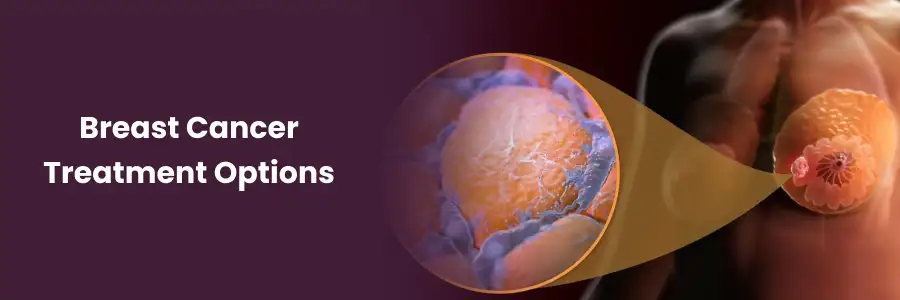
Breast cancer is a significant health issue affecting many women worldwide. Understanding the treatment options available can help you make informed decisions about your care. This article will explore various treatment methods, including surgical options, hormonal therapy, chemotherapy, and advanced treatments tailored for breast cancer management.
Get a second opinion from trusted experts and makeconfident, informed decisions.
Get Second OpinionNot sure where to start?
Talk to a patient care advisor — free, confidential, 24/7. We'll match you to the right specialist and book your appointment in minutes.
Breast Cancer Surgical Options
Lumpectomy
A lumpectomy is a surgical procedure where the tumor and a small margin of surrounding tissue are removed. This option is often chosen when the cancer is detected early and localized. The goal is to conserve as much of the breast as possible while ensuring that the cancer is adequately treated.
Mastectomy
A mastectomy involves the removal of one or both breasts. There are different types of mastectomies:
- Simple or Total Mastectomy: The entire breast is removed, but the lymph nodes and muscle tissue remain intact.
- Modified Radical Mastectomy: The entire breast and some of the lymph nodes under the arm are removed.
- Radical Mastectomy: The entire breast, chest wall muscles, and all axillary lymph nodes are removed. This option is less common today.
Sentinel Lymph Node Biopsy
This procedure involves removing a few lymph nodes to determine if cancer has spread beyond the breast. It often accompanies lumpectomy or mastectomy.
Hormonal Therapy Options for Women
Tamoxifen
Tamoxifen is a common hormonal therapy used to block estrogen receptors on breast cancer cells. This treatment is typically prescribed for premenopausal women and those with hormone receptor-positive breast cancer.
Aromatase Inhibitors
Aromatase inhibitors reduce the amount of estrogen in the body by blocking the enzyme aromatase, which converts androgens into estrogen. Common drugs in this category include anastrozole, letrozole, and exemestane. These are generally prescribed for postmenopausal women.
Ovarian Suppression
Ovarian suppression involves using medication or surgery to stop the ovaries from producing estrogen. This option is often considered for premenopausal women with hormone receptor-positive breast cancer.
Chemotherapy for Breast Cancer
Neoadjuvant Chemotherapy
Neoadjuvant chemotherapy is administered before surgery to shrink the tumor, making it easier to remove. This approach may also allow some women to opt for a lumpectomy instead of a mastectomy.
Adjuvant Chemotherapy
Adjuvant chemotherapy is given after surgery to eliminate any remaining cancer cells and reduce the risk of recurrence. The treatment plan can vary depending on the cancer stage and other factors.
Side Effects of Chemotherapy
Chemotherapy can cause various side effects, including fatigue, nausea, hair loss, and increased risk of infection. It's essential to discuss these potential side effects with your healthcare provider and explore strategies to manage them.
Advanced Breast Cancer Treatments
Targeted Therapy
Targeted therapy involves using drugs that specifically target cancer cells without affecting normal cells. Common targeted therapies for breast cancer include trastuzumab (Herceptin) and pertuzumab (Perjeta), which target the HER2 protein on cancer cells.
Immunotherapy
Immunotherapy helps the body's immune system recognize and attack cancer cells. Pembrolizumab (Keytruda) is an example of an immunotherapy drug used for certain types of breast cancer.
PARP Inhibitors
PARP inhibitors are a newer class of drugs that target cancer cells with specific genetic mutations, such as BRCA1 or BRCA2. These drugs, including olaparib (Lynparza) and talazoparib (Talzenna), prevent cancer cells from repairing their DNA, leading to cell death.
Personalized Breast Cancer Care
Genetic Testing
Genetic testing can help identify specific mutations, such as BRCA1 or BRCA2, that may influence your treatment plan. Understanding your genetic profile can help tailor your treatment to your unique needs.
Personalized Treatment Plans
Your healthcare team will work with you to create a personalized treatment plan based on factors such as the type and stage of cancer, hormone receptor status, HER2 status, and your overall health.
Managing Side Effects and Emotional Well-being
Physical Side Effects
Managing the physical side effects of breast cancer treatment is crucial for maintaining your quality of life. Speak with your healthcare provider about medications and strategies to alleviate symptoms such as nausea, fatigue, and pain.
Emotional Support
Breast cancer treatment can be emotionally challenging. Consider seeking support from mental health professionals, support groups, or loved ones. Many organizations offer resources and counseling to help you navigate this journey.
Lifestyle Changes
Adopting a healthy lifestyle can support your treatment and recovery. Focus on a balanced diet, regular exercise, and adequate rest. Avoiding tobacco and limiting alcohol consumption can also be beneficial.
Your health is everything - prioritize your well-being today.
Schedule Your AppointmentConclusion
Understanding your breast cancer treatment options is essential for making informed decisions about your care. From surgical options and hormonal therapies to chemotherapy and advanced treatments, each approach has its benefits and considerations.
Work closely with your healthcare team to create a personalized treatment plan that addresses your unique needs and supports your overall well-being.By staying informed and proactive, you can navigate your breast cancer journey with confidence and resilience. Remember, you are not alone, and there are numerous resources and support systems available to help you through this challenging time.
Frequently Asked Questions
Treatment options include surgery, chemotherapy, radiation therapy, hormonal therapy, and targeted therapies.
Chemotherapy targets rapidly growing cancer cells and helps reduce or eliminate breast tumors.
Hormonal therapy blocks hormones like estrogen that fuel certain types of breast cancer, helping to slow or stop tumor growth.
Advanced cases often involve a combination of treatments, including personalized therapies tailored to the patient’s specific cancer type.
Factors include the type and stage of cancer, overall health, and patient preferences.
- Cardiology
- Case Studies
- Dermatology
- Endocrinology
- ENT
- Fertility
- Gastroenterology
- General
- General-Medicine
- Gynecology
- Hematology
- Infectious-Diseases
- Medical News
- Neurology
- Oncology
- Ophthalmology
- Orthopedics
- Pediatrics
- Procedure
- Public-Health
- Pulmonology
- Radiology
- Second Opinion
- Urology
- Wellness
- Woman-and-child
Related Blogs
Still have questions? Speak with our experts now!
040-68334455


