 Call
Call Patient Reports
- Cardiology 84
- Dermatology 45
- Endocrinology 33
- ENT 16
- Fertility 190
- Gastroenterology 78
- General-Medicine 81
- Gynecology 80
- Hematology 19
- Infectious-Diseases 33
- Neurology 52
- Oncology 34
- Ophthalmology 23
- Orthopedics 69
- Pediatrics 31
- Procedure 23
- Public-Health 144
- Pulmonology 59
- Radiology 8
- Urology 68
- Wellness 161
- Woman-and-child 77
- 3572
- 3.3 Minute
What Are the Best Dialysis Treatment Options and Their Benefits?
Chronic kidney disease (CKD) affects millions of people worldwide, and for those with advanced stages, dialysis becomes a crucial lifeline. At Medicover Hospitals, we are committed to providing comprehensive kidney care. This article will explore the most effective dialysis treatment options and their benefits for patients.
Understanding Dialysis
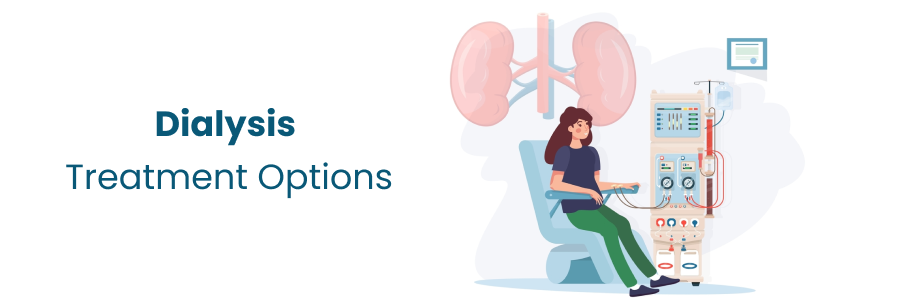
Dialysis is a medical procedure that replicates the kidney's functions, removing waste products and excess fluid from the blood. There are two primary types of dialysis: hemodialysis and peritoneal dialysis. Each method has its own set of benefits and is suited for different patient needs.
Hemodialysis
Hemodialysis is the most common form of dialysis. It involves using a machine to filter waste and excess fluids from the blood. The process typically takes place in a hospital or dialysis center, although home hemodialysis is also an option for some patients.
Get a second opinion from trusted experts and makeconfident, informed decisions.
Get Second OpinionNot sure where to start?
Talk to a patient care advisor — free, confidential, 24/7. We'll match you to the right specialist and book your appointment in minutes.
How It Works
During hemodialysis, a patient's blood is drawn out of the body through a needle inserted into a vein. The blood travels through tubes into a dialyzer-a special filter that cleans the blood. The cleaned blood is then returned to the body through another needle.
Benefits
- Efficiency: Hemodialysis sessions, usually performed three times a week, can quickly remove waste and excess fluids.
- Supervised Care: Treatments are typically conducted under the supervision of healthcare professionals, ensuring the safety and well-being of the patient.
- Social Interaction: Regular visits to a dialysis center provide opportunities for patients to interact with others undergoing similar treatments, which can be emotionally supportive.
Peritoneal Dialysis
Peritoneal dialysis is another effective dialysis treatment option, which uses the lining of the abdomen (the peritoneum) as the filter to clean the blood. This method can often be performed at home, allowing for greater flexibility and independence.
How It Works
A sterile cleaning solution, called dialysate, is introduced into the abdomen through a catheter. The dialysate absorbs waste products and excess fluids from the blood vessels in the peritoneal lining. After a set dwell time, the solution is drained out and replaced with fresh dialysate.
Benefits
- Flexibility: Peritoneal dialysis can be done at home, at work, or even while traveling, offering greater lifestyle flexibility.
- Continuous Treatment: It provides continuous blood cleaning, which can be gentler on the body.
- Dietary Freedom: Patients often have fewer dietary restrictions compared to those undergoing hemodialysis.
- No Needles: For patients who are needle-phobic, this method avoids the need for frequent needle sticks.
Comparing Hemodialysis and Peritoneal Dialysis
Suitability
- Hemodialysis: Best suited for patients who prefer structured treatment schedules and direct supervision by healthcare professionals.
- Peritoneal Dialysis: Ideal for those who value flexibility and are comfortable managing their treatment independently at home.
Frequency and Duration
- Hemodialysis: Typically requires three sessions per week, each lasting about four hours.
- Peritoneal Dialysis: Usually performed daily, but can be done overnight using a cycler machine for convenience.
Lifestyle Impact
- Hemodialysis: Patients need to travel to a dialysis center, which can disrupt daily routines.
- Peritoneal Dialysis: Allows for a more normal lifestyle as it can be integrated into the patient's daily activities.
Choosing the Right Dialysis Option
Choosing between hemodialysis and peritoneal dialysis depends on several factors, including the patient's medical condition, lifestyle preferences, and personal comfort. At Medicover Hospitals, our multidisciplinary team works closely with each patient to determine the best treatment plan tailored to their needs.
Factors to Consider
- Medical Condition: The overall health, the severity of kidney failure, and the presence of other medical conditions.
- Lifestyle: Work schedule, travel plans, and family responsibilities.
- Support System: Availability of family members or caregivers to assist with treatment, particularly for home-based options.
- Personal Preference: Comfort with needles, desire for independence, and ability to adhere to treatment protocols.
Advanced Dialysis Technologies at Medicover Hospitals
At Medicover Hospitals, we leverage advanced technologies to enhance the effectiveness and comfort of best dialysis treatments. Our state-of-the-art dialysis centers are equipped with the latest machines and monitoring systems to ensure optimal patient care.
Remote Monitoring
We offer remote monitoring for home dialysis patients, allowing our healthcare team to track treatment progress and address any issues promptly. This technology ensures that patients receive continuous support, even when they are not in the hospital.
Personalized Treatment Plans
Our nephrologists create personalised treatment plans based on each patient's unique needs. We use data analytics to monitor treatment efficacy and make necessary adjustments to improve outcomes.
Your health is everything - prioritize your well-being today.
Schedule Your AppointmentPatient Support and Education
Understanding and managing dialysis can be challenging. Medicover Hospitals provides comprehensive support and education to help patients and their families navigate the dialysis process.
Educational Workshops
We conduct regular workshops and training sessions to educate patients about their treatment options, dietary recommendations, and lifestyle adjustments. These sessions empower patients to take an active role in their care.
Psychological Support
Living with chronic kidney disease and undergoing dialysis can be stressful. Our support services include counselling and support groups to help patients cope with the emotional aspects of their condition.
Conclusion
Dialysis is a vital treatment for patients with chronic kidney disease, providing a way to manage kidney function and maintain quality of life. At Medicover Hospitals, we offer both hemodialysis and peritoneal dialysis, tailored to meet the diverse needs of our patients. By leveraging advanced technology and providing comprehensive patient support, we strive to deliver the best possible care.
Choosing the right dialysis treatment is a critical decision. Our dedicated team at Medicover Hospitals is here to guide you every step of the way, ensuring you receive the most effective and comfortable treatment for your condition.
For more information or to schedule a consultation, contact Medicover Hospitals today.
Frequently Asked Questions
Benefits include flexibility in treatment locations, continuous blood cleaning, fewer dietary restrictions, and no need for frequent needle sticks.
Hemodialysis is typically performed three times a week, with each session lasting about four hours.
Peritoneal dialysis is usually done daily but can be done overnight using a cycler machine for convenience.
Factors include the patient’s medical condition, lifestyle, support system, and personal preferences.
Medicover Hospitals provides educational workshops, psychological support, and personalised treatment plans to help patients manage their dialysis effectively.
- Cardiology
- Case Studies
- Dermatology
- Endocrinology
- ENT
- Fertility
- Gastroenterology
- General
- General-Medicine
- Gynecology
- Hematology
- Infectious-Diseases
- Medical News
- Neurology
- Oncology
- Ophthalmology
- Orthopedics
- Pediatrics
- Procedure
- Public-Health
- Pulmonology
- Radiology
- Second Opinion
- Urology
- Wellness
- Woman-and-child
Related Blogs
Still have questions? Speak with our experts now!
040-68334455


