 Call
Call Patient Reports
- Cardiology 84
- Dermatology 45
- Endocrinology 33
- ENT 16
- Fertility 190
- Gastroenterology 78
- General-Medicine 81
- Gynecology 80
- Hematology 19
- Infectious-Diseases 33
- Neurology 52
- Oncology 34
- Ophthalmology 23
- Orthopedics 69
- Pediatrics 31
- Procedure 23
- Public-Health 144
- Pulmonology 59
- Radiology 8
- Urology 68
- Wellness 161
- Woman-and-child 77
- 2748
- 3.7 Minute
Written by Medicover Team and Medically Reviewed by Dr Seema Ajay Naxane, Senior Consultant Interventional Cardiology
Restoring Heart Function: ASD Closure and Permanent Pacemaker Solutions
Heart conditions can affect people in different ways. Some are present from birth, while others develop over time. Two common cardiac procedures that help manage such conditions are ASD closure and permanent pacemaker implantation. Both treatments play an important role in improving heart function and enhancing quality of life.
Understanding these procedures can help patients make informed decisions and seek timely care.
What is ASD (Atrial Septal Defect)?
An Atrial Septal Defect (ASD) is a hole in the wall (septum) that separates the upper chambers of the heart. This condition allows oxygen-rich and oxygen-poor blood to mix, which can put extra strain on the heart and lungs.
Common symptoms of ASD:
- Shortness of breath
- Fatigue during activity
- Frequent respiratory infections
- Irregular heartbeat
In some cases, symptoms may not appear early, which makes regular check-ups important.
What is ASD Closure?
ASD closure is a procedure that closes the hole in the heart. It can be done through:
1. Minimally Invasive (Device Closure)
- A catheter is inserted through a blood vessel
- A closure device is placed to seal the hole
- No major surgery is required
2. Surgical Closure
- Recommended for large or complex defects
- The hole is closed using stitches or a patch
Both methods aim to restore normal blood flow and reduce strain on the heart.
For safe and advanced treatment, patients can visit the Best Cardiology Hospital in Nashik Maharashtra
for expert care and modern facilities.
Get a second opinion from trusted experts and makeconfident, informed decisions.
Get Second OpinionNot sure where to start?
Talk to a patient care advisor — free, confidential, 24/7. We'll match you to the right specialist and book your appointment in minutes.
What is a Permanent Pacemaker?
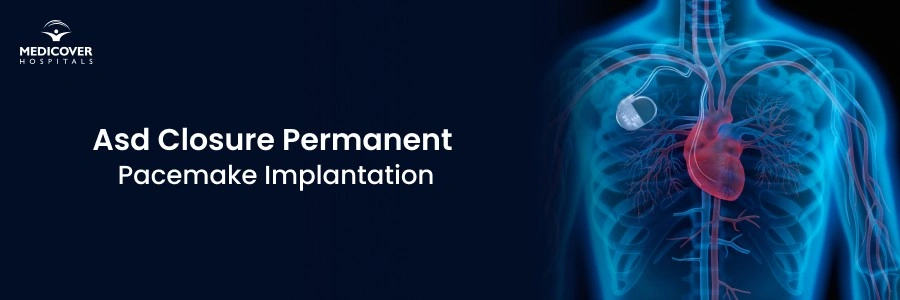
A permanent pacemaker is a small device placed under the skin of the chest. It helps control abnormal heart rhythms (arrhythmias) by sending electrical signals to the heart.
You may need a pacemaker if you have:
- Slow heart rate (bradycardia)
- Heart block
- Irregular heartbeat
- Fainting episodes due to rhythm issues
How is Pacemaker Implantation Done?
Pacemaker implantation is a simple and safe procedure.
Procedure steps:
- A small incision is made near the chest
- Leads (wires) are placed into the heart
- The device is connected and positioned under the skin
- It starts regulating the heartbeat immediately
Most patients recover quickly and can return to normal activities with proper care.
To consult an experienced specialist, you can visit an ASD Closure and Pacemaker Implantation Specialist in Nashik for personalized treatment.
Benefits of Early Diagnosis and Treatment
Early detection of heart conditions can prevent serious complications.
Key benefits include:
- Improved heart function
- Reduced risk of heart failure
- Better quality of life
- Faster recovery after treatment
- Prevention of long-term complications
Timely treatment ensures that the heart continues to work efficiently without added stress.
Your health is everything - prioritize your well-being today.
Schedule Your AppointmentLife After Treatment
After ASD closure or pacemaker implantation, patients are advised to follow a heart-healthy lifestyle.
Important tips:
- Attend regular follow-up visits
- Take prescribed medications
- Maintain a balanced diet
- Stay physically active
- Avoid smoking and manage stress
With proper care, most patients can lead a normal and active life.
For continued care and expert guidance, you can meet the Best Cardiologists in Nashik Maharashtra, for Advanced Heart Care Interventional Procedures and receive the right support for your heart health.
Conclusion
ASD closure and permanent pacemaker implantation are effective treatments that help improve heart function and overall well-being. Whether it is correcting a structural defect or managing heart rhythm, these procedures offer long-term benefits.
Early diagnosis, timely treatment, and expert care are essential for the best outcomes. If you or your loved ones experience symptoms related to heart problems, do not delay seeking medical advice. The right treatment at the right time can make a significant difference in your heart health and quality of life.
Frequently Asked Questions
Not always. Many ASD closures are done using a minimally invasive catheter-based procedure. Surgery is only needed in complex cases.
Pacemakers are needed when the heart beats too slowly, irregularly, or when there is a heart block affecting normal electrical signals.
Recovery is usually quick. Patients may return to normal activities within a few weeks, depending on their condition and treatment type.
Yes, most patients lead a normal and active life after treatment, especially with regular follow-ups and a healthy lifestyle.
You can receive advanced cardiac care at Medicover Hospitals Nashik, where experienced cardiologists provide personalized treatment and follow-up care.
- Cardiology
- Case Studies
- Dermatology
- Endocrinology
- ENT
- Fertility
- Gastroenterology
- General
- General-Medicine
- Gynecology
- Hematology
- Infectious-Diseases
- Medical News
- Neurology
- Oncology
- Ophthalmology
- Orthopedics
- Pediatrics
- Procedure
- Public-Health
- Pulmonology
- Radiology
- Second Opinion
- Urology
- Wellness
- Woman-and-child
Related Blogs
Still have questions? Speak with our experts now!
040-68334455


