 Call
Call Patient Reports
- Cardiology 84
- Dermatology 45
- Endocrinology 33
- ENT 16
- Fertility 190
- Gastroenterology 78
- General-Medicine 81
- Gynecology 80
- Hematology 19
- Infectious-Diseases 33
- Neurology 52
- Oncology 34
- Ophthalmology 23
- Orthopedics 69
- Pediatrics 31
- Procedure 23
- Public-Health 144
- Pulmonology 59
- Radiology 8
- Urology 68
- Wellness 161
- Woman-and-child 77
- 3614
- 3.8 Minute
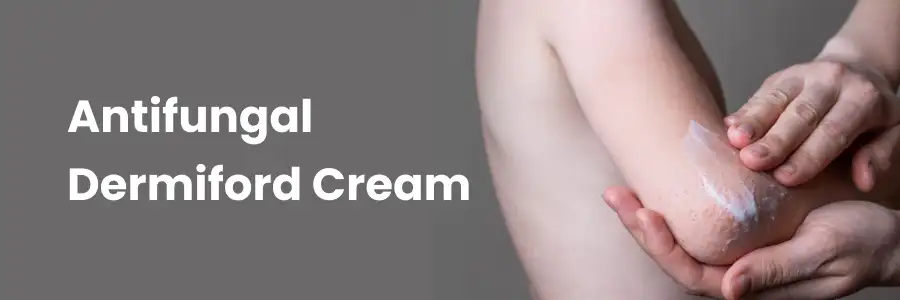
Antifungal Dermiford Cream Guide
Fungal infections are a common dermatological issue that can cause discomfort, itching, and significant inconvenience. Antifungal creams, such as Dermiford, provide effective treatment for various fungal infections. In this article, we delve into the specifics of Dermiford cream, including its composition, uses, benefits, and application methods.
Understanding Antifungal Dermiford Cream
What is Antifungal Dermiford Cream?
Antifungal Dermiford cream is a topical medication designed to treat fungal infections on the skin. It contains active ingredients that target and eradicate fungi, alleviating symptoms and promoting healing. This cream is widely recognized for its efficacy and is often prescribed by healthcare professionals for fungal infections.
Composition of Dermiford Cream
The effectiveness of Dermiford cream lies in its unique composition. The active ingredients typically include antifungal agents such as clotrimazole or miconazole, which inhibit the growth of fungi. Additionally, the cream may contain other components like hydrocortisone to reduce inflammation and relieve itching.
Get a second opinion from trusted experts and makeconfident, informed decisions.
Get Second OpinionNot sure where to start?
Talk to a patient care advisor — free, confidential, 24/7. We'll match you to the right specialist and book your appointment in minutes.
How Does Dermiford Cream Work?
Dermiford cream works by disrupting the cell membranes of fungi, preventing them from growing and multiplying. This action not only treats the existing infection but also helps prevent its recurrence. The cream's formulation ensures deep penetration into the skin, providing relief from symptoms and promoting faster recovery.
Uses of Dermiford Cream
Dermiford Cream Uses for Fungal Infections
Dermiford cream is primarily used to treat a variety of fungal infections. These include:
- Athlete's Foot (Tinea Pedis): A common infection affecting the feet, characterized by itching, burning, and cracked skin.
- Ringworm (Tinea Corporis): A fungal infection that forms ring-shaped rashes on the skin.
- Jock Itch (Tinea Cruris): An infection in the groin area, causing itching and redness.
- Yeast Infections (Candidiasis): Infections are caused by Candida species and often affect moist areas of the body.
Dermiford Cream Uses for Private Parts
Dermiford cream is also effective in treating fungal infections in the private parts. These infections can cause significant discomfort and embarrassment, but timely application of the cream can alleviate symptoms and promote healing.
- Vaginal Yeast Infections: Dermiford cream can be used externally to treat itching, burning, and irritation caused by yeast infections.
- Fungal Infections of the Penis: Men can use Dermiford cream to treat fungal infections that cause redness, itching, and discomfort in the genital area.
How to Use Dermiford Cream
Application Instructions
Proper application of Dermiford cream is crucial for its effectiveness. Follow these steps for optimal results:
- Clean and Dry the Affected Area: Wash the infected area with soap and water, then pat it dry with a clean towel.
- Apply a Thin Layer: Squeeze a small amount of Dermiford cream onto your finger and apply a thin layer over the affected area.
- Rub in Gently: Gently rub the cream into the skin until it is fully absorbed.
- Wash Hands: After application, wash your hands thoroughly to avoid spreading the infection to other areas.
Frequency of Application
The frequency of application depends on the severity of the infection and the specific instructions provided by your healthcare provider. Generally, Dermiford cream should be applied once or twice daily for a period of two to four weeks or as directed by your doctor.
Benefits of Using Dermiford Cream
Efficacy and Speed of Relief
One of the primary benefits of using Dermiford cream is its high efficacy in treating fungal infections. Users often experience relief from symptoms such as itching, redness, and discomfort within a few days of starting treatment.
Prevention of Recurrence
Regular use of Dermiford cream as prescribed can help prevent the recurrence of fungal infections. By effectively eliminating fungi and preventing their growth, the cream ensures long-term relief and reduces the risk of reinfection.
Minimal Side Effects
Dermiford cream is generally well-tolerated, with minimal side effects. However, some individuals may experience mild irritation or allergic reactions. If you notice any adverse effects, discontinue use and consult your healthcare provider.
Your health is everything - prioritize your well-being today.
Schedule Your AppointmentPrecautions and Considerations
Allergies and Sensitivities
Before using Dermiford cream, it is essential to inform your healthcare provider about any known allergies or sensitivities to antifungal medications. This information helps prevent potential allergic reactions and ensures the cream's safe use.
Use During Pregnancy and Breastfeeding
If you are pregnant or breastfeeding, consult your healthcare provider before using Dermiford cream. While topical antifungal creams are generally considered safe, it is crucial to follow medical advice to avoid any potential risks to your baby.
Drug Interactions
Dermiford cream is a topical medication and is unlikely to interact with systemic drugs. However, inform your healthcare provider about any other medications you are using to ensure there are no potential interactions.
Conclusion
Antifungal Dermiford cream is an effective and reliable treatment for various fungal infections. Its unique composition, ease of application, and minimal side effects make it a popular choice among healthcare providers and patients alike. By understanding its uses, benefits, and application methods, you can effectively manage fungal infections and achieve optimal skin health.
Frequently Asked Questions
Antifungal Dermiford Cream is used to treat fungal infections of the skin.
Yes, but only under medical supervision for infections in sensitive areas.
Apply a small amount to the affected area once or twice a day as directed by a doctor.
Side effects include redness, irritation, or a mild burning sensation.
Yes, it can be used for facial fungal infections, but consult a dermatologist first.
Disclaimer: The information provided is accurate and up-to-date to the best of our knowledge. However, it should not be considered a substitute for medical advice or consultation. We do not guarantee its completeness or accuracy. The absence of specific warnings does not mean a medicine is safe for all users. We are not responsible for any outcomes based on this information and strongly recommend consulting a doctor for any medical concerns or questions.
- Cardiology
- Case Studies
- Dermatology
- Endocrinology
- ENT
- Fertility
- Gastroenterology
- General
- General-Medicine
- Gynecology
- Hematology
- Infectious-Diseases
- Medical News
- Neurology
- Oncology
- Ophthalmology
- Orthopedics
- Pediatrics
- Procedure
- Public-Health
- Pulmonology
- Radiology
- Second Opinion
- Urology
- Wellness
- Woman-and-child
Related Blogs
Still have questions? Speak with our experts now!
040-68334455


