 Call
Call Patient Reports
- Cardiology 84
- Dermatology 45
- Endocrinology 33
- ENT 16
- Fertility 190
- Gastroenterology 78
- General-Medicine 81
- Gynecology 80
- Hematology 19
- Infectious-Diseases 33
- Neurology 52
- Oncology 34
- Ophthalmology 23
- Orthopedics 69
- Pediatrics 31
- Procedure 23
- Public-Health 144
- Pulmonology 59
- Radiology 8
- Urology 68
- Wellness 161
- Woman-and-child 77
- 3759
- 3.5 Minute
Angina Medication
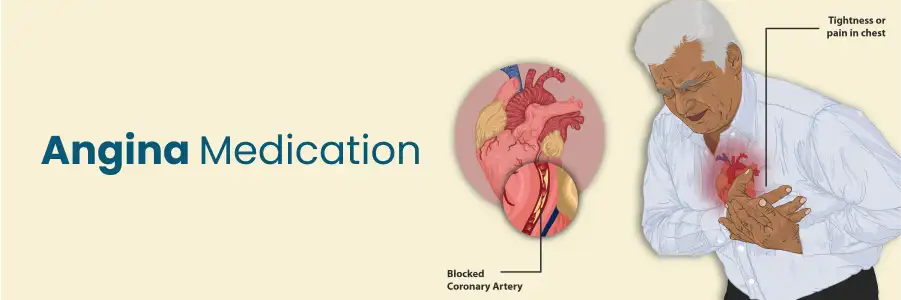
Angina is a type of chest pain caused by reduced blood flow to the heart. It's a symptom of coronary artery disease and can feel like pressure or squeezing in your chest. Managing angina often involves medications that help improve blood flow, reduce pain, and prevent heart attacks. This guide will walk you through some of the most common medications used to treat angina, including how they work and their potential side effects.
Get a second opinion from trusted experts and makeconfident, informed decisions.
Get Second OpinionNot sure where to start?
Talk to a patient care advisor — free, confidential, 24/7. We'll match you to the right specialist and book your appointment in minutes.
Beta Blockers
Beta blockers are a class of drugs that reduce your heart rate, decrease blood pressure, and lessen the heart's demand for oxygen. They are commonly used to manage angina and other heart-related conditions.
Metoprolol
Metoprolol is a beta blocker that helps reduce the frequency and severity of angina attacks. It works by slowing down the heart rate and lowering blood pressure, making it easier for the heart to pump blood.
Side Effects:
- Fatigue
- Dizziness
- Depression
- Shortness of breath
Carvedilol
Carvedilol is another beta blocker that offers similar benefits to Metoprolol. It not only slows the heart rate but also improves the heart's efficiency. Carvedilol is often prescribed for people with heart failure as well.
Side Effects:
- Fatigue
- Dizziness
- Weight gain
- Low blood pressure
Atenolol
Atenolol is a beta blocker that works by reducing the workload on the heart and helping it beat more regularly. It is commonly used to treat angina and high blood pressure.
Side Effects:
- Fatigue
- Dizziness
- Cold hands and feet
- Depression
Statins
Statins are medications that lower cholesterol levels in the blood, which helps prevent the buildup of plaques in the arteries. This can reduce the risk of angina and heart attacks.
Simvastatin
Simvastatin works by blocking an enzyme needed to produce cholesterol in the liver. Lowering cholesterol levels can help prevent angina and other heart-related issues.
Side Effects:
- Muscle pain
- Weakness
- Headache
- Nausea
Atorvastatin
Atorvastatin is another statin that helps lower cholesterol levels. It is often prescribed to people who have a high risk of heart disease or who have already experienced heart-related issues.
Side Effects:
- Muscle pain
- Weakness
- Diarrhea
- Nausea
Rosuvastatin
Rosuvastatin is one of the newer statins and is known for its potency in lowering cholesterol levels. It is effective in reducing the risk of angina and other cardiovascular diseases.
Side Effects:
- Muscle pain
- Weakness
- Headache
- Abdominal pain
Calcium Channel Blockers
Calcium channel blockers help relax and widen blood vessels by preventing calcium from entering the cells of the heart and arteries. This can improve blood flow and reduce chest pain.
Amlodipine
Amlodipine is commonly prescribed to treat high blood pressure and angina. It works by relaxing the blood vessels, which allows blood to flow more easily to the heart.
Side Effects:
- Swelling of the ankles or feet
- Fatigue
- Dizziness
- Flushing
Diltiazem
Diltiazem is another calcium channel blocker that helps relax the heart muscles and blood vessels. It is effective in treating angina and certain types of heart rhythm disorders.
Side Effects:
- Dizziness
- Fatigue
- Swelling of the ankles or feet
- Headache
Nitrates
Nitrates are medications that help widen blood vessels, making it easier for blood to flow to the heart. They are often used to relieve angina symptoms quickly.
Nitroglycerin
Nitroglycerin is one of the most commonly used nitrates for angina. It can be taken as a tablet, spray, or patch. It works quickly to relieve chest pain by relaxing blood vessels.
Side Effects:
- Headache
- Dizziness
- Flushing
- Low blood pressure
Isosorbide Mononitrate
Isosorbide Mononitrate is another nitrate that helps prevent angina attacks. It is usually taken as a long-acting tablet to provide extended relief from chest pain.
Side Effects:
- Headache
- Dizziness
- Nausea
- Low blood pressure
Antiplatelet Agents
Antiplatelet agents help prevent blood clots from forming, which can reduce the risk of heart attacks and angina.
Aspirin
Aspirin is one of the most commonly used antiplatelet agents. It works by preventing platelets in the blood from clumping together, which can help reduce the risk of heart attacks and angina.
Side Effects:
- Stomach pain
- Bleeding
- Nausea
- Heartburn
Clopidogrel
Clopidogrel is another antiplatelet medication that helps prevent blood clots. It is often prescribed to people who have had a heart attack or stroke or who have other heart-related issues.
Side Effects:
- Bleeding
- Bruising
- Rash
- Diarrhea
Lifestyle Changes and Angina
In addition to medication, making lifestyle changes can significantly improve your heart health and reduce angina symptoms. Here are some tips:
- Quit Smoking: Smoking can narrow your arteries and increase the risk of angina and heart attacks.
- Healthy Diet: Eat a diet rich in fruits, vegetables, whole grains, and lean proteins. Avoid foods high in saturated fats, cholesterol, and sodium.
- Exercise Regularly: Aim for at least 30 minutes of moderate exercise most days of the week.
- Manage Stress: Practice stress-reducing techniques such as meditation, yoga, or deep breathing exercises.
- Maintain a Healthy Weight: Being overweight can strain your heart and increase the risk of angina and other heart problems.
Your health is everything - prioritize your well-being today.
Schedule Your AppointmentConclusion
Managing angina involves a combination of medications and lifestyle changes. Understanding the different types of angina medications and how they work can help you make informed decisions about your treatment plan. Always consult with your healthcare provider before starting any new medication or making significant lifestyle changes. By taking a proactive approach to your heart health, you can reduce angina symptoms and improve your overall well-being.
Frequently Asked Questions
Common medications for angina include nitrates (like nitroglycerin), beta-blockers, calcium channel blockers, antiplatelet drugs (like aspirin), and statins to lower cholesterol.
Nitroglycerin works by relaxing and widening the blood vessels, allowing more blood to flow to the heart, which helps reduce chest pain during an angina attack.
Yes, beta-blockers reduce the heart's workload by slowing the heart rate and lowering blood pressure, helping prevent angina episodes.
Yes, aspirin is often prescribed for angina to reduce the risk of blood clots, which can lead to heart attacks. It helps keep blood flowing to the heart.
Statins are used to lower cholesterol levels and prevent the buildup of plaque in the arteries, reducing the risk of angina and heart attacks.
- Cardiology
- Case Studies
- Dermatology
- Endocrinology
- ENT
- Fertility
- Gastroenterology
- General
- General-Medicine
- Gynecology
- Hematology
- Infectious-Diseases
- Medical News
- Neurology
- Oncology
- Ophthalmology
- Orthopedics
- Pediatrics
- Procedure
- Public-Health
- Pulmonology
- Radiology
- Second Opinion
- Urology
- Wellness
- Woman-and-child
Related Blogs
Still have questions? Speak with our experts now!
040-68334455


