 Call
Call Patient Reports
- Cardiology 84
- Dermatology 45
- Endocrinology 33
- ENT 16
- Fertility 190
- Gastroenterology 78
- General-Medicine 81
- Gynecology 80
- Hematology 19
- Infectious-Diseases 33
- Neurology 52
- Oncology 34
- Ophthalmology 23
- Orthopedics 69
- Pediatrics 31
- Procedure 23
- Public-Health 144
- Pulmonology 59
- Radiology 8
- Urology 68
- Wellness 161
- Woman-and-child 77
- 3759
- 3.5 Minute
Adrenal Gland Tumors: Key Symptoms and Treatment Options
Adrenal gland tumors are rare but significant medical conditions that can lead to a variety of symptoms and health complications. Given the complexity and importance of the adrenal glands in regulating numerous bodily functions, understanding these tumors is crucial for timely diagnosis and effective treatment.
What Are Adrenal Gland Tumors?
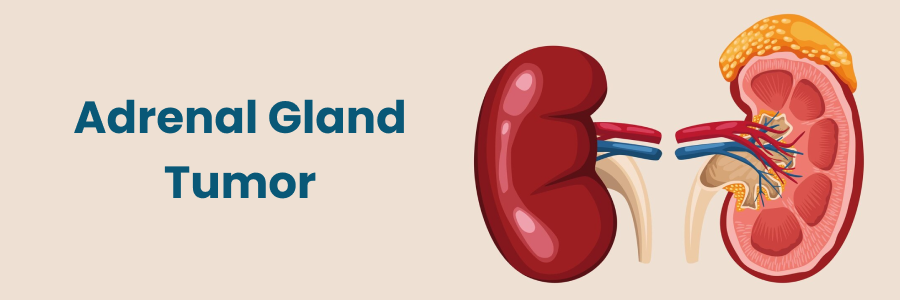
The adrenal glands are small, triangular glands located on top of the kidneys. They produce hormones that regulate metabolism, immune system function, blood pressure, and other essential bodily functions. Adrenal gland tumors can be benign or malignant and can affect the gland's ability to produce these crucial hormones.
Get a second opinion from trusted experts and makeconfident, informed decisions.
Get Second OpinionNot sure where to start?
Talk to a patient care advisor — free, confidential, 24/7. We'll match you to the right specialist and book your appointment in minutes.
Types of Adrenal Gland Tumors
Adrenal gland tumors are categorized based on their origin and nature:
- Adrenal Adenomas: Benign tumors that arise from the adrenal cortex. These tumors are generally non-cancerous and often asymptomatic.
- Pheochromocytomas: Tumors that originate from the adrenal medulla, the inner part of the gland. These tumors can cause excessive production of adrenaline and noradrenaline, leading to severe symptoms.
- Adrenocortical Carcinomas: Malignant tumors that originate in the adrenal cortex. These are rare but highly aggressive and can spread to other parts of the body.
- Neuroblastomas: Cancerous tumors that generally occur in children and originate from immature nerve cells in the adrenal glands.
Symptoms of Adrenal Gland Tumors
The symptoms of adrenal gland tumors can vary widely depending on the type of tumor and the hormones it affects. Common symptoms include:
Hormonal Imbalances
Many adrenal gland tumors lead to hormonal imbalances, causing a range of symptoms:
- Cushing's Syndrome: Excess cortisol production can result in weight gain, high blood pressure, diabetes, and skin changes.
- Conn's Syndrome: Excess aldosterone production can lead to high blood pressure, muscle weakness, and frequent urination.
- Pheochromocytoma: Excess catecholamines (adrenaline and noradrenaline) can cause severe hypertension, palpitations, sweating, and headaches.
Physical Symptoms
Physical symptoms can also manifest, particularly in the case of large tumors or malignant growths:
- Abdominal pain or fullness
- Unexplained weight loss
- Fatigue and muscle weakness
- Changes in skin appearance, such as darkening or thinning
Psychological Symptoms
Hormonal imbalances can also affect mental health, leading to:
- Anxiety and panic attacks
- Depression
- Cognitive difficulties
Diagnosis of Adrenal Tumors
Diagnosing adrenal gland tumors involves a combination of imaging studies, laboratory tests, and sometimes biopsy.
Imaging Studies
Imaging studies are crucial for identifying the presence and extent of adrenal tumors:
- CT Scans: Provide detailed images of the adrenal glands and help identify the size and nature of the tumor.
- MRI Scans: Offer detailed images, especially useful for soft tissue differentiation.
- PET Scans: Help determine if the tumor is malignant and if it has spread to other parts of the body.
Laboratory Tests
Laboratory tests are essential for assessing hormonal imbalances:
- Blood Tests: Measure levels of adrenal hormones, such as cortisol, aldosterone, and catecholamines.
- Urine Tests: 24-hour urine collection can help measure hormone levels and metabolites.
Biopsy
In some cases, a biopsy may be necessary to determine if the tumor is benign or malignant. This involves taking a small tissue sample from the tumor for microscopic examination.
Treatment Options for Adrenal Gland Tumors
The treatment of adrenal gland tumors depends on the type, size, and nature of the tumor, as well as the patient's overall health.
Surgical Intervention
Surgery is often the primary treatment for adrenal gland tumors, particularly if they are causing symptoms or have the potential to be malignant:
- Adrenalectomy: Surgical removal of the adrenal gland. This can be done via open surgery or laparoscopically, depending on the tumor's size and location.
- Partial Adrenalectomy: In some cases, only the tumor is removed, preserving the rest of the adrenal gland.
Medications
Medications can be used to manage symptoms and hormonal imbalances:
- Steroidogenesis Inhibitors: These drugs inhibit the production of cortisol and are used in cases of Cushing's syndrome.
- Alpha and Beta Blockers: Used to manage symptoms of pheochromocytoma by blocking the effects of excess catecholamines.
- Mineralocorticoid Receptor Antagonists: Used to treat symptoms of Conn's syndrome by blocking the effects of aldosterone.
Radiation Therapy
Radiation therapy may be considered in cases of malignant tumors, particularly if the cancer has spread beyond the adrenal gland. This treatment uses high-energy rays to destroy cancer cells.
Chemotherapy
Chemotherapy may be necessary for aggressive or metastatic adrenal cancers. This treatment involves using drugs to kill cancer cells and prevent them from spreading.
Your health is everything - prioritize your well-being today.
Schedule Your AppointmentPrognosis and Follow-Up
The prognosis for adrenal gland tumors varies widely based on the type and stage of the tumor:
- Adrenal Adenomas: Generally have an excellent prognosis, especially if asymptomatic.
- Pheochromocytomas: Prognosis is good with surgical removal, but regular follow-up is necessary to monitor for recurrence.
- Adrenocortical Carcinomas: Prognosis is generally poor due to the aggressive nature of the cancer, but early detection and treatment can improve outcomes.
- Neuroblastomas: Prognosis depends on the age of the patient and the stage of the disease, with younger patients generally having a better outlook.
Regular follow-up is crucial for all patients with adrenal gland tumors to monitor for recurrence and manage any long-term effects of treatment.
Conclusion
Adrenal gland tumors, while rare, are complex conditions that require a nuanced understanding for effective management. Early diagnosis and treatment are critical in improving outcomes and managing symptoms. If you suspect you may have an adrenal gland tumor, consult with a healthcare provider for a comprehensive evaluation and personalized treatment plan.
Frequently Asked Questions
Adrenal gland tumors are growths that develop in the adrenal glands, which sit atop the kidneys and produce important hormones like cortisol and adrenaline.
Types include benign adenomas, pheochromocytomas, and adrenal cancers, with each type having different effects on hormone levels.
Symptoms can include high blood pressure, weight gain, excessive sweating, headaches, and hormonal imbalances depending on the tumor type.
Diagnosis involves imaging tests like CT scans or MRIs, as well as blood and urine tests to check for abnormal hormone levels.
Treatment may involve surgery to remove the tumor, hormone therapy to manage symptoms, or in rare cases, chemotherapy if the tumor is malignant.
- Cardiology
- Case Studies
- Dermatology
- Endocrinology
- ENT
- Fertility
- Gastroenterology
- General
- General-Medicine
- Gynecology
- Hematology
- Infectious-Diseases
- Medical News
- Neurology
- Oncology
- Ophthalmology
- Orthopedics
- Pediatrics
- Procedure
- Public-Health
- Pulmonology
- Radiology
- Second Opinion
- Urology
- Wellness
- Woman-and-child
Related Blogs
Still have questions? Speak with our experts now!
040-68334455


