 Call
Call Patient Reports
- Cardiology 84
- Dermatology 45
- Endocrinology 33
- ENT 16
- Fertility 190
- Gastroenterology 78
- General-Medicine 81
- Gynecology 80
- Hematology 19
- Infectious-Diseases 33
- Neurology 52
- Oncology 34
- Ophthalmology 23
- Orthopedics 69
- Pediatrics 31
- Procedure 23
- Public-Health 144
- Pulmonology 59
- Radiology 8
- Urology 68
- Wellness 161
- Woman-and-child 77
- 3182
- 3.3 Minute
Understanding HCG Levels at 2 Weeks Pregnant
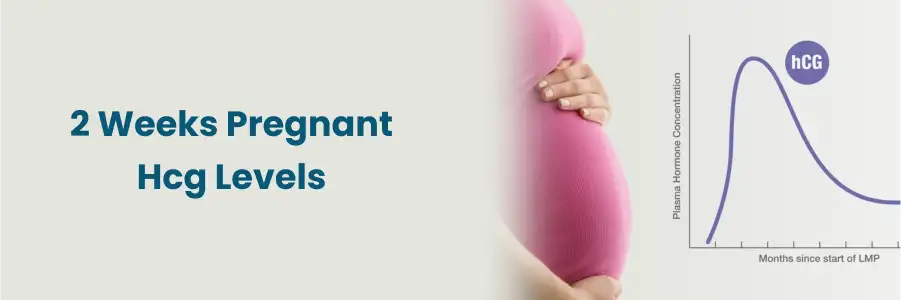
Human Chorionic Gonadotropin (HCG) is a crucial hormone in early pregnancy. Its levels are often used to assess the health and progression of a pregnancy, especially during the first few weeks. At 2 weeks pregnant, understanding HCG levels can provide valuable insights into the viability and progression of the pregnancy.
Get a second opinion from trusted experts and makeconfident, informed decisions.
Get Second OpinionNot sure where to start?
Talk to a patient care advisor — free, confidential, 24/7. We'll match you to the right specialist and book your appointment in minutes.
What Are HCG Levels?
Human Chorionic Gonadotropin (HCG) is a hormone produced by the placenta shortly after the embryo attaches to the uterine lining. Its primary role is to support the corpus luteum, which in turn produces progesterone to maintain the uterine lining and prevent menstruation. HCG is also the hormone detected by pregnancy tests.
Interpreting HCG Levels at 2 Weeks
Normal HCG Levels at 2 Weeks
At around 2 weeks pregnant, the HCG levels can vary widely among individuals. Typically, normal HCG levels at this stage range from 5 to 50 mIU/mL. However, these values can differ based on the sensitivity of the test and the time of day the test is taken. It's important to note that a single HCG value is not as informative as the trend of HCG levels over time.
HCG Doubling Time in Early Pregnancy
One key aspect of HCG levels in early pregnancy is the doubling time, which refers to how quickly HCG levels double. In a healthy pregnancy, HCG levels should approximately double every 48 to 72 hours. Monitoring the doubling time can provide a more accurate assessment of the pregnancy's health than a single HCG measurement.
Low HCG Levels at 2 Weeks
Low HCG levels at 2 weeks could indicate several scenarios. It might be too early in the pregnancy for higher HCG levels, or it could suggest potential issues such as an ectopic pregnancy or impending miscarriage. However, low HCG levels should not be a cause for immediate concern. It's crucial to consult with a healthcare provider for further evaluation and follow-up tests.
HCG Blood Test vs. Urine Test
HCG Blood Test
The HCG blood test is more sensitive and can detect lower levels of HCG compared to urine tests. It provides quantitative results, meaning it measures the exact amount of HCG in the blood. This test is often used to monitor the progression of a pregnancy, especially in the early stages.
HCG Urine Test
The HCG urine test is commonly used as a home pregnancy test. It provides qualitative results, indicating only whether HCG is present or not. While convenient, urine tests are less sensitive and can sometimes give false-negative results, particularly if taken very early in the pregnancy.
Signs of a Healthy Pregnancy at 2 Weeks
Early Symptoms
At 2 weeks pregnant, you may not yet experience noticeable symptoms. However, some early signs of a healthy pregnancy can include mild cramping, light spotting (implantation bleeding), and breast tenderness. These symptoms result from hormonal changes and the implantation of the embryo in the uterine lining.
Importance of HCG Levels
Monitoring HCG levels is vital for assessing the health of the pregnancy. Consistently rising HCG levels, particularly with an appropriate doubling time, are indicative of a progressing and healthy pregnancy. Conversely, abnormal HCG trends may warrant further investigation to rule out potential complications.
Factors Influencing HCG Levels
Variability Among Individuals
HCG levels can vary significantly among different individuals. Factors such as the exact timing of ovulation, implantation, and individual variations in hormone production can influence HCG levels. Therefore, it's important not to compare your HCG levels with those of others but to focus on your individual trend.
Medical Conditions
Certain medical conditions can also affect HCG levels. For example, conditions like ovarian cysts or certain types of tumors can produce HCG, leading to elevated levels even in the absence of pregnancy. Additionally, conditions like hypothyroidism can affect the body's hormonal balance and potentially influence HCG levels.
When to Consult a Healthcare Provider
Abnormal HCG Levels
If you have concerns about your HCG levels, it's essential to consult with a healthcare provider. They can perform follow-up tests, such as additional blood tests or ultrasounds, to assess the health of the pregnancy. Your healthcare provider will consider your medical history, symptoms, and HCG trends to provide a comprehensive evaluation.
Symptoms of Concern
If you experience symptoms such as severe cramping, heavy bleeding, or significant pain, seek medical attention promptly. These symptoms could indicate potential complications that require immediate evaluation and intervention.
Your health is everything - prioritize your well-being today.
Schedule Your AppointmentConclusion
Understanding HCG levels at 2 weeks pregnant is crucial for assessing the health and progression of the pregnancy. While normal HCG levels can vary widely, monitoring the doubling time and trends is more informative than a single measurement. Both HCG blood tests and urine tests play important roles in early pregnancy detection and monitoring. If you have any concerns about your HCG levels or early pregnancy symptoms, consult with a healthcare provider for a thorough evaluation and guidance.
Frequently Asked Questions
Normal HCG levels at 2 weeks pregnant can range from 10 to 50 mIU/mL, but levels can vary significantly between individuals.
Healthy pregnancies often show a doubling of HCG levels every 48-72 hours in the first few weeks, indicating a viable pregnancy.
Low HCG levels may suggest a potential issue with the pregnancy, but further testing and monitoring are required for accurate diagnosis.
Blood tests are more accurate and sensitive than urine tests for detecting HCG levels, especially in very early pregnancy.
Healthy pregnancies may show signs such as increasing HCG levels, mild cramping, and no significant bleeding or discomfort in early stages.
- Cardiology
- Case Studies
- Dermatology
- Endocrinology
- ENT
- Fertility
- Gastroenterology
- General
- General-Medicine
- Gynecology
- Hematology
- Infectious-Diseases
- Medical News
- Neurology
- Oncology
- Ophthalmology
- Orthopedics
- Pediatrics
- Procedure
- Public-Health
- Pulmonology
- Radiology
- Second Opinion
- Urology
- Wellness
- Woman-and-child
Related Blogs
Still have questions? Speak with our experts now!
040-68334455


