 Call
Call Patient Reports
Table of Contents

Best Preventive Medicine Hospital Near Me | Advanced Health Screening & Wellness Care
Preventive Medicine is a medical specialty that focuses on preventing diseases and promoting overall health through early detection, risk assessment, and lifestyle management. At Medicover Hospitals, preventive medicine specialists help identify potential health risks through regular health check-ups, screenings, and medical evaluations. This approach supports the early detection of conditions such as diabetes, heart disease, high blood pressure, and other chronic illnesses, helping individuals maintain better long-term health and reduce the risk of future complications.
100,000+
Health Checkups
95%
Patient Satisfaction
50+
Screening Programs
Why Choose Medicover Hospitals for Preventive Medicine?
Medicover Hospitals focuses on preventive medicine to help individuals maintain good health, detect potential health risks early, and prevent the development of serious diseases. Our experienced healthcare professionals, comprehensive health screenings, and personalised wellness plans support long-term health and well-being.
Comprehensive Health Screenings
We offer detailed health check-ups that help identify risk factors and detect medical conditions at an early stage.
Experienced Preventive Care Specialists
Our healthcare experts provide guidance and support to help patients make informed decisions about their health.
Early Detection and Risk Assessment
Advanced diagnostic tests and evaluations help identify potential health concerns before they become serious.
Personalised Health Plans
Each patient receives tailored recommendations based on their age, lifestyle, medical history, and health goals.
Focus on Lifestyle and Wellness
We provide practical guidance on nutrition, exercise, stress management, and healthy living habits.
Prevention of Chronic Diseases
Our preventive care programs help reduce the risk of conditions such as diabetes, heart disease, hypertension, and obesity.
Multidisciplinary Healthcare Support
Physicians, nutritionists, and specialists work together to provide comprehensive preventive care.
Long-Term Health Monitoring
Regular follow-up assessments and health reviews help patients stay on track and maintain better overall health.
Our Preventive Medicine Specialists
Our Preventive Medicine specialists focus on identifying health risks early and helping patients prevent diseases through regular screenings, health assessments and lifestyle guidance. They work closely with other specialists to support long-term health and early detection of potential medical conditions.

Dr B Karthik Rao
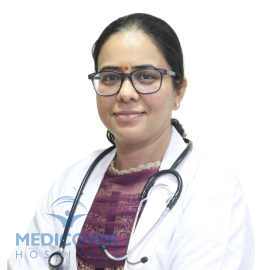
Dr Rajashri Harshal Dhongade
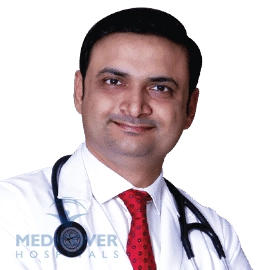
Dr Rakesh Nagin Patil
Our Preventive Medicine Hospitals Near You
Medicover Hospitals provides Preventive Medicine services across major cities, helping individuals identify health risks early through regular screenings and medical evaluations. Our hospitals are supported by experienced specialists and modern diagnostic facilities to support early detection and preventive health management.


















Preventive Medicine Services Available
Preventive Medicine focuses on identifying health risks early and preventing diseases before they become serious. At Medicover Hospitals, preventive medicine specialists evaluate overall health, lifestyle habits and family history to detect early warning signs of disease.
Through regular health screenings and medical guidance, Medicover Hospitals helps individuals reduce health risks and maintain long-term wellness.
Preventive Health Checkups
Comprehensive health assessments that help identify early signs of medical conditions and health risks.
Risk Assessment and Health Screening
Personalized evaluations that identify potential health concerns based on lifestyle and medical history.
Vaccination and Immunization
Preventive vaccination programs designed to protect individuals against infectious diseases.
Lifestyle and Nutrition Guidance
Expert advice on healthy eating, physical activity, and lifestyle modifications to support overall well-being.
Chronic Disease Prevention
Early screening and preventive strategies aimed at reducing the risk of long-term health conditions.
Health Conditions Preventive Medicine Helps Manage
Many health problems develop slowly and may not show symptoms in the early stages. Preventive medicine at Medicover Hospitals focuses on identifying risk factors early so that appropriate lifestyle changes or medical care can be started.
- Heart Disease Risk Monitoring blood pressure, cholesterol levels and lifestyle habits helps lower the chances of heart disease.
- Diabetes Risk Blood sugar screening and regular health checks help detect early signs of diabetes.
- High Blood Pressure Early detection helps prevent complications such as heart disease, stroke and kidney problems.
- Obesity and Metabolic Disorders Body weight assessment and lifestyle guidance help manage risks linked to excess weight.
- High Cholesterol Cholesterol testing helps detect abnormal lipid levels that may affect heart health.
- Lifestyle-Related Health Problems Preventive care helps manage risks linked to smoking, poor diet, lack of exercise and stress.
Technology Supporting Preventive Health Screening
Medicover Hospitals uses advanced screening and diagnostic technologies to help identify potential health concerns early, supporting timely intervention and better long-term health outcomes.
- Blood sugar testing
- Cholesterol profile
- Blood pressure monitoring
- Body mass index (BMI) assessment
- Routine blood tests
Patient Reviews & Success Stories
Hear from our patients about their treatment experiences
Viral Fever With Thrombocytopenia
Ms. Meera R got admitted to Medicover Hospitals, Navi Mumbai, with a complaint of weakness and cough.
Viral Fever With Pancytopenia
Hello, I am Laxmikant Madhav gosavi. My wife ruplai gosavi was suffering from viral fever, vomitings, and hypovolemic shock.
Saloni Picha's Recovery From Dengue Fever
I was admitted to Ashoka Medicover Hospitals four days ago. I've been diagnosed with dengue. When I got admitted over here, the first thing they took was my RTPCR.
Treatment For Severe Dengue
My name is Deepali Sawant, My son Malhar had a fever for 10 days. We consulted many hospitals and specialists, but there was no use.
Recovery From Dengue Fever
Sanjeev Rao's daughter Chaturya was admitted to a hospital in Vijayawada after suffering from dengue fever. After five days of treatment, she developed fluid in her lungs.
Treatment For High-Grade Fever With Pneumonia
I am Sandeep. I was admitted to the Medicover Hospitals in Chandanagar with high-grade fever and weakness. The emergency doctors and nurses have taken up the details and performed the blood test.
Your Health is Our Priority
At Medicover, our goal is to provide complete preventive medicine care with precision and empathy. From prevention to post-surgery recovery, our experts guide you at every step to provide safe treatments, a faster recovery and long-term wellness.




Available 24/7 for Emergency Cases

Frequently Asked Questions
1. What is preventive medicine and why is it important?
Preventive medicine focuses on reducing disease risk through health screenings, vaccinations, lifestyle changes and early detection of medical conditions.
2. What services are commonly included in preventive medicine care?
Preventive medicine includes health checkups, cancer screening, vaccination, blood pressure monitoring, diabetes evaluation and lifestyle risk assessment services.
3. How can preventive medicine reduce the risk of chronic diseases?
Early screening, healthy lifestyle habits and regular monitoring help reduce risks of diabetes, heart disease, obesity and other chronic health conditions.
4. When should someone undergo preventive health screening tests?
Adults should undergo regular preventive screenings based on age, family history, lifestyle habits and risk factors for early disease detection and prevention.
5. Can preventive medicine help detect cancer at an early stage?
Preventive screenings like mammograms, colonoscopy and health evaluations help identify cancer early when treatment outcomes are often more successful.
6. What lifestyle habits are recommended in preventive medicine?
Balanced nutrition, regular exercise, stress management, avoiding smoking and maintaining healthy sleep habits support long-term disease prevention and wellness.
7. Why are vaccinations important in preventive healthcare?
Vaccinations protect against infectious diseases, strengthen immunity and reduce the spread of serious illnesses in children, adults and elderly individuals.
8. Can preventive medicine improve long-term heart and metabolic health?
Regular preventive care helps manage blood pressure, cholesterol and blood sugar, reducing risks of heart disease and metabolic health complications.
9. What role does preventive medicine play in workplace health?
Preventive medicine supports employee wellness through screenings, vaccination programs, stress management and early identification of lifestyle-related health risks.
10. How often should preventive health checkups be done regularly?
Preventive health checkups are usually recommended annually, though frequency may vary depending on age, medical history and individual health risk factors.


