 Call
Call Patient Reports
Table of Contents

Best Electrophysiology Hospital Near Me | Advanced Heart Rhythm Care Services
Medicover Hospitals is recognised as one of the Best Electrophysiology Hospitals in India, offering expert care for heart rhythm problems with accuracy and safety. Heart rhythm disorders can affect anyone and often require quick, precise treatment. Our electrophysiology team uses advanced tools, including 3D mapping, cardiac imaging, Holter monitoring and minimally invasive procedures, to detect and correct electrical issues in the heart. From diagnosing simple arrhythmias to treating complex rhythm problems, we ensure safe procedures, fast recovery and long-lasting relief. At Medicover, we focus on accurate diagnosis, gentle treatment, and complete heart rhythm care, helping you live a healthy and active life with confidence.
2,000+
EP Procedures
95%
Procedural Success
24/7
Cardiac Monitoring
Why Choose Medicover for Electrophysiology?
Medicover Hospitals provides advanced electrophysiology services for the diagnosis and treatment of heart rhythm disorders. Our experienced cardiac specialists, modern technology, and patient-focused care help ensure accurate evaluation and effective management of arrhythmias and other electrical heart conditions.
Experienced Electrophysiology Specialists
Our heart rhythm experts have extensive experience in diagnosing and treating complex cardiac electrical disorders.
Advanced Cardiac Mapping Technology
We use modern electrophysiology systems to accurately identify the source of abnormal heart rhythms.
Comprehensive Arrhythmia Care
We provide diagnosis and treatment for atrial fibrillation, tachycardia, bradycardia, and other heart rhythm disorders.
Advanced Catheter Ablation Procedures
Our specialists perform minimally invasive ablation procedures to help restore normal heart rhythm.
Pacemaker and Device Management
We offer expert care for pacemaker implantation, device monitoring, and other cardiac rhythm management therapies.
Personalised Treatment Plans
Each patient receives a customised treatment approach based on their heart condition and overall health needs.
Comprehensive Diagnostic Services
Advanced ECG monitoring, Holter monitoring, and electrophysiology studies help support accurate diagnosis.
Long-Term Heart Rhythm Monitoring
Regular follow-up care and monitoring help patients manage their condition and maintain better heart health.
Our Electrophysiologists & Heart Rhythm Specialists
Our team of electrophysiologists is experienced in diagnosing and managing heart rhythm disorders with a precise and patient-focused approach. Close coordination with cardiology and cardiac care teams supports accurate evaluation and advanced treatment planning tailored to each condition. At Medicover Hospitals, the focus remains on early detection, minimally invasive procedures, and long-term rhythm management to improve heart health and overall quality of life.

Dr Kumar Narayanan
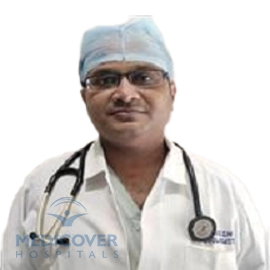
Dr A Suresh
Our Electrophysiology Hospitals Near You
Medicover Hospitals offers electrophysiology services across multiple hospitals, providing diagnosis and treatment for irregular heart rhythms. Our specialists perform advanced heart rhythm studies and minimally invasive procedures.

















Advanced Electrophysiology Treatments and Procedures
Electrophysiology procedures are used for evaluation and management of cardiac rhythm disorders.
Electrocardiogram (ECG)
Non-invasive test used to assess the electrical activity of the heart.
Holter and Ambulatory Monitoring
Continuous heart rhythm monitoring to detect intermittent cardiac abnormalities.
Electrophysiology Study (EPS)
Advanced diagnostic procedure that evaluates the heart’s electrical conduction system.
Catheter Ablation
Minimally invasive treatment that targets and eliminates abnormal electrical pathways.
Pacemaker Implantation
Device implantation to regulate slow or irregular heart rhythms.
Implantable Cardioverter-Defibrillator (ICD)
Advanced device therapy that detects and treats life-threatening arrhythmias.
Cardiac Resynchronization Therapy (CRT)
Specialized pacing therapy that improves heart function in selected patients.
Electrical Cardioversion
Controlled electrical treatment used to restore a normal heart rhythm.
Conditions We Treat in Electrophysiology
Electrophysiology services focus on diagnosis and management of cardiac rhythm disorders.
- Atrial Fibrillation
- Atrial Flutter
- Paroxysmal Supraventricular Tachycardia (PSVT)
- Ventricular Tachycardia (VT)
- Ventricular Fibrillation (VF)
- Sinus Node Dysfunction
- Atrioventricular (AV) Block / Heart Block
- Heart Failure with Electrical Dyssynchrony (LBBB)
Advanced Technology for Heart Rhythm Care
Medicover Hospitals uses advanced cardiac mapping systems, electrophysiology monitoring technologies, and implantable cardiac devices to support accurate diagnosis and treatment of heart rhythm disorders.
- ECG Monitoring Systems
- Ambulatory Monitoring Devices (Holter, Event, ILR)
- 3D Electroanatomic Mapping Systems
- Radiofrequency Ablation Systems
- Cryoablation Systems
- Pacemaker Devices
- Implantable Cardioverter-Defibrillators (ICDs)
- Cardiac Resynchronization Therapy (CRT) Devices
Patient Reviews & Success Stories
Hear from our patients about their treatment experiences

Primary Angioplasty In Young Patient
My name is Rahul. I had mild pain in my chest and got checked at the local hospital, and the doctor suggested the pain was due to acidity.

Treatment Of Post-Bypass Surgery Re-Blockages
I am Ramesh Babu. In 1999, I had a massive attack when I was at home. I underwent bypass surgery. Then I was comfortable for around 10 to 12 years.

Treatment For Multiple Heart Blockages In Young Adults
We at Medicover Hospitals work round the clock to make you better, no matter how critical the condition is.
Coronary Angiogram and Two Stents
Hello, I am Lakshmi from Nizamabad. Due to chest pain, I got admitted to a local hospital in Nizamabad. After Angiogram
Angioplasty Procedure
Hello, my name is Ms. Aditi Shinde, and he is my father, Mr. Dipak Shinde. Recently, he experienced a severe heart attack just four days ago.
Carotid Angioplasty and Stenting
My mother, Vijaya sahani, had a problem with fatigue and weakness & she wasn't able to stand for more than five to ten minutes for the past five to six months.
Your Health is Our Priority
At Medicover, our goal is to provide complete electrophysiology care with precision and empathy. From prevention to post-surgery recovery, our experts guide you at every step to provide safe treatments, a faster recovery and long-term wellness.




Available 24/7 for Emergency Cases

Frequently Asked Questions
1. What are the common symptoms of heart rhythm disorders?
Palpitations, dizziness, fainting, chest discomfort, rapid heartbeat and unexplained fatigue may indicate arrhythmias or other heart rhythm abnormalities.
2. When should someone consult a cardiac electrophysiologist?
You should consult an electrophysiologist for irregular heartbeat, recurrent fainting, unexplained palpitations or symptoms linked to abnormal heart rhythms.
3. What is the purpose of an electrophysiology study?
An electrophysiology study evaluates the heart's electrical activity to identify arrhythmias and guide treatment such as medication or catheter ablation.
4. Can arrhythmias be treated without open heart surgery?
Many arrhythmias are treated using medications, catheter ablation, pacemakers and minimally invasive electrophysiology procedures without major heart surgery.
5. What is catheter ablation and how does it work?
Catheter ablation uses heat or cold energy to target abnormal heart tissue causing irregular heart rhythms and helps restore normal heartbeat patterns.
6. Are heart rhythm disorders dangerous if left untreated?
Untreated arrhythmias may increase the risk of stroke, heart failure, fainting episodes or sudden cardiac complications depending on the condition severity.
7. How long does recovery take after catheter ablation treatment?
Most patients recover quickly after catheter ablation and return to routine activities within a few days following medical advice and monitoring.
8. Can stress and lifestyle habits trigger arrhythmias?
Stress, smoking, alcohol, poor sleep, caffeine and underlying heart disease may trigger or worsen irregular heartbeat and cardiac rhythm disorders.
9. What tests are commonly used to diagnose arrhythmias?
Doctors may use ECG, Holter monitoring, echocardiogram, stress testing and electrophysiology studies to diagnose heart rhythm abnormalities accurately.
10. Can heart rhythm problems occur during pregnancy?
Hormonal changes and increased heart workload during pregnancy may trigger arrhythmias, requiring safe cardiac evaluation and monitoring by specialists.


