 Call
Call Patient Reports
Best Critical Care Hospital in Warangal
Medicover hospital, Opp: Nexa service center, Hunter Rd, Hanamukonda, Telangana, 506002


Why Choose Medicover Hospitals for Critical Care?
At Medicover Hospitals, our Critical Care Unit provides round-the-clock monitoring and advanced life support for patients with severe illnesses, life-threatening conditions, and complex medical emergencies. Our experienced intensivists, specialised nursing staff, and modern ICU facilities work together to deliver timely and patient-focused critical care.
- 24/7 Critical Care Services: Continuous intensive care support for critically ill patients.
- Expert Critical Care Team: Experienced intensivists, emergency physicians, trauma surgeons, and specially trained critical care nurses.
- Advanced ICU Infrastructure: Modern ventilators, bedside dialysis, cardiac monitors, and advanced infection control systems.
- Specialised Trauma and Critical Care Support: Rapid management of severe injuries, trauma, and life-threatening medical conditions.
- Real-Time Diagnostic Services: Immediate access to CT scans, X-rays, ultrasound, and laboratory investigations for faster clinical decisions.
- Multidisciplinary Care: Close collaboration with neurology, cardiology, pulmonology, surgery, nephrology, and other specialties for comprehensive patient management.
Our Critical Care Specialists at Medicover Hospitals, Warangal
Our critical care specialists are trained to handle the most serious medical emergencies with precision and expertise. They work together to offer 24/7 monitoring, advanced life-support interventions, and compassionate care for patients in critical condition.
Get Emergency Support Now
Conditions Treated for Critical Care
Our Critical Care Unit manages patients with life-threatening illnesses and medical emergencies requiring continuous monitoring, advanced life support, and multidisciplinary care.
- Heart Attack (Myocardial Infarction): Immediate critical care management for cardiac emergencies.
- Stroke: Intensive care for ischemic and hemorrhagic stroke patients.
- Severe Respiratory Failure: Advanced respiratory support for critically ill patients.
- Major Trauma: Management of severe injuries, head trauma, fractures, and accident-related emergencies.
- Sepsis and Septic Shock: Intensive monitoring and infection management.
- Acute Kidney Injury: Critical care support for severe kidney dysfunction.
- Cardiac Arrest and Arrhythmias: Emergency cardiac monitoring and advanced life support.
- Poisoning and Drug Overdose: Intensive monitoring and emergency treatment.
- Severe Asthma and COPD Exacerbations: Respiratory support for life-threatening breathing conditions.
- Multi-Organ Failure: Comprehensive intensive care for patients with multiple organ dysfunction.
Treatments and Interventions for Critical Care
Our Critical Care Unit provides advanced life-support treatments and specialised interventions for critically ill patients.
- Mechanical Ventilation: Advanced airway management and respiratory support.
- Hemodynamic Monitoring: Continuous monitoring with vasopressors and critical care support.
- Bedside Dialysis (CRRT): Renal replacement therapy for critically ill patients.
- Advanced Life Support: CPR, ACLS protocols, and emergency resuscitation.
- Cardiac Emergency Management: Defibrillation and advanced cardiac monitoring.
- Neurocritical Care: Intensive management of stroke and neurological emergencies.
- Sepsis and Organ Failure Management: Evidence-based protocols for critically ill patients.
Facilities and Technologies at Medicover Hospitals
Our Critical Care Unit is equipped with advanced technologies and specialised infrastructure to support continuous monitoring and life-saving treatment.
- Advanced Intensive Care Units: Fully equipped ICUs for critically ill patients.
- Mechanical Ventilators: Advanced respiratory support systems.
- Bedside Dialysis Units: Continuous renal replacement therapy facilities.
- Multiparameter Cardiac Monitors: Continuous monitoring of vital functions.
- Defibrillators and Emergency Equipment: Rapid response systems for cardiac emergencies.
- Portable X-ray and Ultrasound: Bedside imaging support for critically ill patients.
- Advanced CT and Laboratory Support: Rapid diagnostic services for emergency decision-making.
- Infection Control Systems: Strict safety protocols to minimise infection risks.
Associated TPA & Insurance Services
At Medicover Hospitals, we've partnered with a wide range of leading insurance companies and health benefit networks to make quality healthcare accessible and stress-free. We collaborate with both private and government insurers to ensure your treatment process is smooth, transparent, and affordable. We're continually expanding our insurance partnerships so you can focus on getting better while we manage the rest.
Check Coverage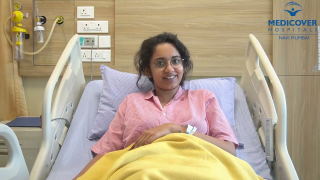
Viral Fever With Thrombocytopenia
Ms. Meera R got admitted to Medicover Hospitals, Navi Mumbai, with a complaint of weakness and cough.
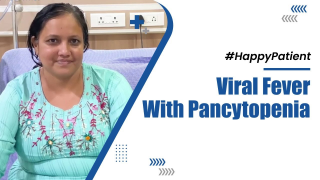
Viral Fever With Pancytopenia
Hello, I am Laxmikant Madhav gosavi. My wife ruplai gosavi was suffering from viral fever, vomitings, and hypovolemic shock.
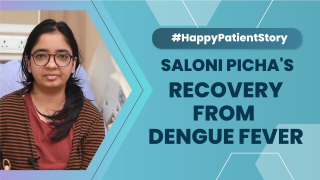
Saloni Picha's Recovery From Dengue Fever
I was admitted to Ashoka Medicover Hospitals four days ago. I've been diagnosed with dengue. When I got admitted over here, the first thing they took was my RTPCR.
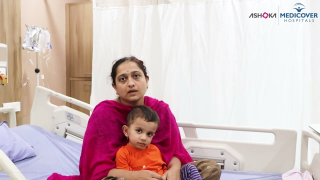
Treatment For Severe Dengue
My name is Deepali Sawant, My son Malhar had a fever for 10 days. We consulted many hospitals and specialists, but there was no use.
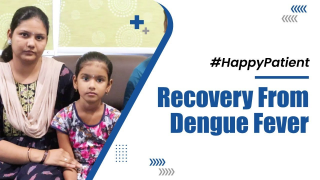
Recovery From Dengue Fever
Sanjeev Rao's daughter Chaturya was admitted to a hospital in Vijayawada after suffering from dengue fever. After five days of treatment, she developed fluid in her lungs.

Treatment For High-Grade Fever With Pneumonia
I am Sandeep. I was admitted to the Medicover Hospitals in Chandanagar with high-grade fever and weakness. The emergency doctors and nurses have taken up the details and performed the blood test.
Frequently Asked Questions
1. What are the common conditions treated by Critical Care Specialists in Warangal?
They manage severe sepsis, septic shock, cardiac emergencies, respiratory failure, neurological crises, multi-organ dysfunction, trauma cases, kidney failure, post-operative complications, and life-threatening infections.
2. What makes Medicover Hospitals, Warangal a preferred choice for critical care?
Highly qualified intensivists, advanced ICU infrastructure, multidisciplinary support, fast emergency response, infection-controlled units, and 24/7 monitoring make it one of the most trusted critical care centers in Warangal.
3. What recovery support do critical care teams provide after ICU discharge?
They guide patients through nutritional planning, infection control, physiotherapy, respiratory rehab, and medication management to ensure safe and smooth recovery.
4. How is the ICU at Medicover Hospitals, Warangal different from a regular hospital ward?
The ICU has one-to-one nursing, dedicated monitoring, advanced life-support machines, high-end ventilators, bedside diagnostics, and a specialist team trained for high-risk patients, ensuring immediate intervention.
5. How do Critical Care Specialists keep families informed during ICU treatment?
They share clear daily updates, explain treatment progress in simple terms, and ensure families stay confident and informed throughout the patient's recovery.
Stay Updated with theLatest Health Articles
VIEW ALL BLOGS VIEW ALL


