 Call
Call Patient Reports
Vulval Biopsy Procedure by Expert Gynecologists
At Medicover Hospitals, our gynecologists, holding qualifications like MS, DNB, and FMAS, perform vulval biopsies using the open surgical approach. This procedure aids in diagnosing vulval conditions. Patients often experience shorter hospital stays due to the minimally invasive nature of the procedure.
Expert Surgeons
Yearly Procedures
Patient Satisfaction
What is Vulval Biopsy?
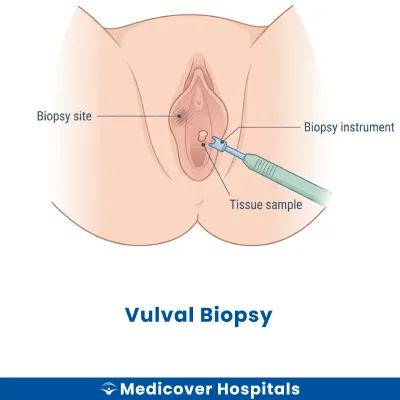
A vulval biopsy is a medical procedure where a small sample of tissue is taken from the vulva. The vulva is the external part of the female genitalia. This biopsy helps in diagnosing various skin conditions, infections, or lesions. It is a crucial step in identifying abnormalities that may not be visible to the naked eye.
This procedure is often needed when there are persistent changes in the vulva, such as unexplained itching, pain, or unusual growths. Conditions like lichen sclerosus, vulvar cancer, or other dermatological issues may necessitate a biopsy. If left untreated, these conditions can worsen, leading to more severe health problems. Modern surgical approaches for vulval biopsy include punch biopsy and excisional biopsy, which are minimally invasive and provide accurate results.
Vulval Biopsy Doctors Near You
Find experienced gynecologists for vulval biopsy at Medicover Hospitals across India. Choose your city and book a consultation to discuss your needs and receive expert care.
Why Choose Medicover Hospitals for Vulval Biopsy?
Get a second opinion from trusted experts and makeconfident, informed decisions.
 Get Second Opinion
Complete Guide To Vulval Biopsy
Everything you need to know about the procedure, preparation, and recovery
Vulval biopsy procedure Indications
Doctors recommend a vulval Tissue sample test when there are unexplained changes in the vulval area. This procedure helps in diagnosing various skin conditions, infections, or potential malignancies.
Persistent Vulval Itching
Patients may experience continuous itching that does not improve with topical treatments. On examination, the skin might appear thickened or discoloured. A biopsy helps determine the underlying cause when conservative treatments fail.
Unusual Vulval Lesions
Patients may notice new growths or sores on the vulva. These lesions might not heal with standard care. A biopsy is recommended to rule out pre-cancerous or cancerous changes.
Chronic Vulval Pain
Persistent pain in the vulval area, especially if accompanied by visible skin changes, can be concerning. When pain does not respond to medications, a biopsy can help identify the cause.
Non-Healing Ulcers
Some patients have ulcers that do not heal despite treatment. Doctors may find these ulcers suspicious during an examination. A biopsy is crucial to exclude malignancy.
Changes in Skin Colour or Texture
Patients might observe patches of discoloured or thickened skin. If these changes persist and do not respond to creams or ointments, a biopsy is necessary to determine the cause.
Recurrent Infections
Frequent infections that do not resolve with antibiotics may prompt further investigation. A biopsy can help identify any underlying skin condition contributing to these infections.
How to Prepare for Vulval biopsy?
Proper preparation for a vulval biopsy ensures a smooth procedure and aids in recovery. Following these steps can help minimise complications and enhance comfort.
- Medication Review: Stop NSAIDs, anticoagulants, and herbal supplements 7 days before the procedure, as advised by your doctor.
- Fasting Instructions: If general anaesthesia is used, fast for at least 6 hours before the procedure. Clear liquids may be allowed up to 2 hours prior.
- Personal Hygiene: Bathe or shower the night before or the morning of the biopsy to reduce infection risk.
- Clothing: Wear loose, comfortable clothing to the hospital to avoid irritation post-procedure.
- Transportation: Arrange for someone to drive you home after the biopsy, especially if sedation or anaesthesia is used.
- Medication List: Bring a list of all medications you take, including dosages, for the medical team.
- Pre-procedure Questions: Prepare any questions you may have about the biopsy to discuss with your healthcare provider.
- Emotional Support: Consider having a friend or family member accompany you for emotional support.
Vulval biopsy procedure (Step-by-Step)
Overview: A vulval biopsy is performed by gynaecologists. It typically takes about 15-30 minutes. Local anaesthesia is commonly used to numb the area.
- Preparation: The patient is positioned comfortably on the examination table. The area is cleaned with an antiseptic solution to prevent infection.
- Anaesthesia: Local anaesthesia is administered to numb the vulval area. The patient may feel a slight pinch or sting during this process.
- Marking the Area: The gynaecologist identifies and marks the specific area of the vulva that requires the biopsy. This ensures precision in sampling.
- Tissue Sampling: A small incision, usually 1-2 cm, is made using a scalpel or biopsy punch. The gynaecologist may use a curette to gently remove a sample of tissue from the marked area.
- Bleeding Control: Any bleeding is controlled using bipolar cautery. The patient might feel slight pressure but no pain due to the anaesthesia.
- Closure: If necessary, the incision is closed with a few stitches. In many cases, the wound is small enough to heal without stitches.
- Post-Procedure Care: The area is cleaned again, and a dressing may be applied. The patient will receive instructions on how to care for the biopsy site.
Who Performs Vulval biopsy procedure?
A vulval biopsy is performed by gynaecologists. These specialists are trained to diagnose and treat conditions affecting the female reproductive system. They ensure the procedure is conducted safely and effectively. Please contact the hospital for current details as insurance panels may change.
Recovery After Vulval Biopsy Procedure
After a vulval biopsy, you may experience mild discomfort and swelling. It's important to follow your doctor's advice to ensure a smooth recovery. Here's a general guide on what to expect during the recovery period.
Day 1-3:
- Rest as much as possible. Avoid strenuous activities.
- Apply cold compresses to reduce swelling.
- Wear loose-fitting clothing to avoid irritation.
Day 4-7:
- You can gradually resume light activities.
- Continue to avoid heavy lifting or intense exercise.
- Maintain hygiene by gently cleaning the area with water.
Day 8-14:
- Most discomfort should subside. You may return to work or school if you feel comfortable.
- Introduce normal activities gradually.
- Follow up with your doctor if advised.
Dietary Advice:
- Consume a balanced diet to aid healing. Include foods like curd, dal-rice, khichdi, moong dal, and soups.
- Stay hydrated by drinking plenty of water.
When to Seek Urgent Help:
- Severe pain or swelling that worsens over time.
- Fever or chills indicating possible infection.
- Excessive bleeding or discharge from the biopsy site.
Benefits of Vulval biopsy procedure
A vulval biopsy is a diagnostic procedure that helps in identifying various conditions affecting the vulva. It provides valuable insights for effective treatment planning.
- Accurate Diagnosis: Helps in identifying skin disorders, infections, or cancerous changes.
- Early Detection: Facilitates early identification of potential malignancies.
- Guided Treatment: Assists doctors in tailoring appropriate treatment plans.
- Minimally Invasive: Involves a small tissue sample, reducing recovery time.
- Outpatient Procedure: Usually performed without the need for hospital admission.
Risks and Complications of Vulval biopsy procedure
While generally safe, a vulval biopsy carries certain risks. It is important to be aware of these potential complications.
Common Risks
- Mild pain or discomfort at the biopsy site.
- Temporary swelling or bruising around the area.
Rare Risks
- Infection at the biopsy site.
- Bleeding that may require medical attention.
- Allergic reaction to local anaesthesia.
- Scarring or changes in skin texture.
Cost of Vulval biopsy procedure
The cost of a Vulval biopsy procedure at Medicover Hospitals ranges from ₹1,600 and ₹15,000. The price varies depending on the ward category chosen, such as outpatient, day care, or suite options. We offer transparent pricing and support for insurance and TPA, including CGHS, ESI, and major TPAs. A cashless facility is also available for your convenience. Please contact the hospital for the latest insurance panel details as these may change periodically.
Frequently Asked Questions
1. How much does Vulval biopsy procedure cost at Medicover Hospitals?
The cost of a Vulval biopsy at Medicover Hospitals ranges from ₹1,600 and ₹15,000, depending on the facility and services chosen.
2. Is Vulval biopsy procedure covered under health insurance at Medicover?
Vulval biopsy may be covered under CGHS, ESI, and major TPAs. Please contact the hospital for current panel details.
3. Will I have pain after a Vulval biopsy?
Some discomfort or pain is common after a Vulval biopsy. Pain relief medications can help manage this during the recovery period.
4. Can I have a normal diet after a Vulval biopsy?
Yes, you can resume a normal diet including curd, dal-rice, and khichdi after a Vulval biopsy. It's important to stay hydrated and eat balanced meals.
5. Will I need to avoid exercise after a Vulval biopsy?
Strenuous exercise should be avoided for at least a week after a Vulval biopsy. Light activities can be resumed as advised by your doctor.
6. Can sexual activity resume immediately after a Vulval biopsy?
It's recommended to avoid sexual activity for at least two weeks after a Vulval biopsy. Consult your doctor for personalized advice based on your recovery.
7. Is there a risk of infection after a Vulval biopsy?
There is a small risk of infection after a Vulval biopsy. Follow your doctor's care instructions to minimize this risk.


