 Call
Call Patient Reports
Best Hospital for Ventriculoatrial (VA) Shunt Surgery with Expert Neurosurgical Care
At Medicover Hospitals, our neurosurgeons, with qualifications like MS, MCh, and DNB, perform Ventriculoatrial Shunts using open surgical techniques. These procedures help manage hydrocephalus effectively, often resulting in shorter hospital stays and improved patient outcomes across India.
Expert Surgeons
Yearly Surgeries
Patient Satisfaction
What is Ventriculoatrial (VA) Shunt Surgery?
Ventriculoatrial (VA) shunt surgery is a procedure used to treat hydrocephalus, a condition in which excess fluid builds up in the brain. This fluid increases pressure inside the skull and can lead to symptoms such as headaches, nausea, vision problems, and difficulty with balance or thinking.
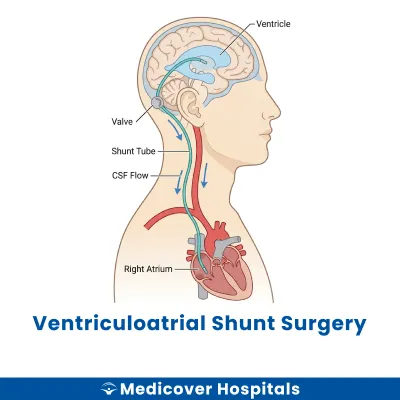
During the surgery, a thin tube called a shunt is placed in the brain’s ventricles to drain the extra fluid. The tube is then guided under the skin and connected to a vein near the heart, allowing the fluid to flow into the bloodstream where it can be absorbed naturally.
This procedure helps reduce pressure on the brain and improves symptoms over time. It is usually recommended when other treatment options are not suitable, and it supports better daily functioning and quality of life.
Ventriculoatrial (VA) Shunt Surgery Doctors Near You
Find expert neurosurgeons for ventriculoatrial shunt Surgery at Medicover Hospitals across India. Choose your city and book a consultation for specialised care today.
Why Choose Medicover Hospitals for Ventriculoatrial Shunt Surgery?
Advanced Neurosurgery OT: Equipped with modern operation theatres, including high-precision imaging systems and advanced surgical instruments for accurate shunt placement.
Get a second opinion from trusted experts and makeconfident, informed decisions.
 Get Second Opinion
Complete Guide To Ventriculoatrial Shunt Surgery
Everything you need to know about the procedure, preparation, and recovery
Ventriculoatrial (VA) Shunt Surgery Indications
Doctors recommend ventriculoatrial shunt surgery to manage hydrocephalus, a condition where excess cerebrospinal fluid (CSF) accumulates in the brain's ventricles. This buildup increases pressure inside the skull and can affect normal brain function. The procedure helps drain excess fluid and relieve symptoms.
- Increased Intracranial Pressure: Patients may experience headaches, nausea, vomiting, and visual disturbances due to elevated intracranial pressure. Clinical examination may reveal papilledema (swelling of the optic disc). When medications and conservative treatments fail to control symptoms, shunt surgery is recommended.
- Progressive Ventricular Enlargement: Imaging studies such as MRI or CT scans may show enlargement of the brain ventricles over time. Patients may report balance issues, memory problems, or reduced cognitive function. Surgical intervention is considered when ventricular dilation continues despite non-surgical management.
- Normal Pressure Hydrocephalus: Patients often present with a classic triad of symptoms including gait disturbance, urinary incontinence, and cognitive decline. Imaging reveals enlarged ventricles with normal cerebrospinal fluid pressure. Shunt surgery is advised when symptoms persist and impact daily life.
- Congenital Hydrocephalus: Infants may present with rapid head growth, irritability, and feeding difficulties. Diagnostic imaging confirms enlarged ventricles. When conservative management is ineffective, shunt placement is necessary to prevent developmental complications.
- Traumatic Brain Injury: Following head injury, patients may develop fluid accumulation leading to symptoms such as headaches, confusion, and neurological deficits. CT scans may confirm ventricular enlargement. Shunt surgery is recommended when symptoms do not improve with medical treatment.
How Should I Prepare for ventriculoatrial (VA) shunt surgery?
Proper preparation is important for a safe ventriculoatrial shunt surgery. It helps reduce risks, supports better outcomes, and ensures a smooth recovery after the procedure.
- Medication Review: Stop blood thinners, NSAIDs, or certain supplements as advised by your doctor before surgery. Always follow specific medical guidance.
- Fasting Guidelines: Avoid eating or drinking for at least 6&8 hours before surgery to ensure safety during anesthesia.
- Pre-surgery Tests: Complete all required tests such as blood tests, ECG, or imaging scans as recommended by your doctor.
- Medical History: Inform your doctor about existing health conditions, allergies, or previous surgeries.
- Personal Hygiene: Bathe with antiseptic soap before surgery to reduce the risk of infection.
- Comfortable Clothing: Wear loose and comfortable clothes on the day of surgery for ease and convenience.
- Transportation: Arrange for someone to accompany you and take you home after the procedure.
- Follow Instructions: Carefully follow all pre-surgery instructions given by your healthcare team for the best results.
Ventriculoatrial Shunt Surgery (Step-by-Step)
Ventriculoatrial shunt surgery is performed to divert excess cerebrospinal fluid (CSF) from the brain to the bloodstream. The procedure is carried out under sterile conditions to reduce pressure on the brain and improve symptoms.
- Anesthesia Administration: The patient is given general anesthesia to ensure comfort and prevent pain during the procedure.
- Incision and Access: Small incisions are made in the scalp and neck to access the brain ventricles and a suitable vein.
- Catheter Placement in Brain: A thin catheter is carefully inserted into the brain's ventricles to drain excess fluid.
- Shunt Connection: The catheter is connected to a valve system that regulates the flow of cerebrospinal fluid.
- Tubing Placement: The tube is tunneled under the skin from the head to a vein near the heart (usually the right atrium).
- Positioning and Testing: The shunt system is positioned correctly, and its function is tested to ensure proper fluid drainage.
- Closure: Incisions are closed with sutures, and sterile dressings are applied.
- Post-Surgery Monitoring: The patient is monitored for vital signs and shunt function to ensure a stable recovery.
Recovery After Ventriculoatrial Shunt Surgery
Recovery after ventriculoatrial (VA) shunt surgery involves gradual healing and careful monitoring to ensure proper shunt function. Patients are usually observed in the hospital for a few days, and full recovery may take a few weeks depending on individual health and response to surgery.
Day 1&3:
- Hospital stay for close monitoring of vital signs and shunt function
- Pain and discomfort managed with prescribed medications
- Start with a liquid diet, gradually progressing to soft foods
- Limited movement with assistance to avoid strain
Day 4&7:
- Discharge from the hospital if stable
- Continue soft and easily digestible foods
- Light activities such as short walks are encouraged
- Keep the surgical site clean and dry
Week 2&4:
- Gradual return to normal daily activities
- Avoid heavy lifting or strenuous physical work
- Follow a balanced diet to support healing
- Attend follow-up visits to check recovery progress
1 Month and Beyond:
- Resume most normal activities as advised by the doctor
- Avoid high-impact or contact sports
- Regular check-ups to monitor shunt function
- Maintain overall health and hydration
When to Seek Urgent Help:
- Severe or persistent headache
- Nausea or vomiting
- Fever or signs of infection
- Redness, swelling, or discharge at the incision site
- Changes in vision, balance, or consciousness
Benefits of Ventriculoatrial Shunt Surgery
Ventriculoatrial shunt surgery is an effective treatment for hydrocephalus by diverting excess cerebrospinal fluid from the brain into the bloodstream. This helps reduce pressure on the brain and improves overall neurological function.
- Symptom Relief: Reduces symptoms such as headaches, nausea, vomiting, and vision problems caused by increased intracranial pressure.
- Improved Brain Function: Helps restore normal brain activity by relieving pressure on brain tissues.
- Effective Fluid Management: Provides continuous drainage of excess fluid, preventing further accumulation.
- Alternative Treatment Option: Useful when other shunt types, like ventriculoperitoneal shunts, are not suitable.
- Improved Quality of Life: Enhances daily functioning and overall well-being for patients.
- Long-term Management: Offers a reliable solution for managing chronic hydrocephalus.
Risks and Complications of Ventriculoatrial Shunt Surgery
While ventriculoatrial shunt surgery is generally safe and effective, it may carry certain risks and complications. These can vary depending on the patient's condition and response to the procedure.
- Infection (Common): There is a risk of infection at the surgical site or within the shunt system.
- Shunt Malfunction (Common): The shunt may become blocked or fail to function properly, requiring further intervention.
- Overdrainage (Common): Excess drainage of cerebrospinal fluid may lead to headaches or other complications.
- Bleeding (Rare): Bleeding may occur in the brain or along the catheter pathway.
- Blood Clots (Rare): Clots can form in the bloodstream, particularly in the heart or veins.
- Heart-related Complications (Rare): Irregular heart rhythms or other cardiac issues may occur due to catheter placement in the atrium.
- Pulmonary Complications (Rare): In rare cases, fluid or clots may affect the lungs.
What is the Cost of Ventriculoatrial (VA) Shunt Surgery?
The cost of Ventriculoatrial Shunt Surgery typically ranges from Rs. 25,000 to Rs. 1,30,000, depending on the hospital, surgeon’s experience, type of shunt used, and the patient’s condition. The cost may include surgery, anesthesia, hospital stay, post-operative care, diagnostic tests, ICU care, medications, and follow-up visits. TPA, CGHS, and ESI support may also help manage treatment expenses.
Frequently Asked Questions
1. What is a ventriculoatrial shunt?
A ventriculoatrial (VA) shunt is a device used to drain excess fluid from the brain into the heart. It helps reduce pressure caused by conditions like hydrocephalus.
2. Is shunt surgery a major surgery?
Yes, shunt surgery is considered a major procedure as it involves the brain. However, it is commonly performed and generally safe with proper care.
3. Is a VA shunt a permanent solution?
A VA shunt is designed for long-term use but may need adjustments or replacement over time. Regular monitoring is important to ensure it works properly.
4. How long is a VA shunt surgery?
VA shunt surgery usually takes about 1 to 2 hours. The duration may vary depending on the patient’s condition and complexity.
5. What are the long-term effects of VA shunts?
Most patients experience symptom relief and improved quality of life. However, there may be risks like infection or shunt malfunction over time.
6. How painful is shunt surgery?
Pain after shunt surgery is usually mild to moderate and manageable with medication. Most patients feel better within a few days.
7. Which is better, a stent or a shunt?
A stent and a shunt are used for different medical conditions and cannot be directly compared. The choice depends on the patient’s specific health issue and doctor’s advice.
8. How risky is brain shunt surgery?
Shunt surgery carries some risks like infection or bleeding, but serious complications are uncommon. It is generally safe when performed by experienced surgeons.
9. Is shunt surgery expensive?
The cost can vary based on hospital, treatment needs, and patient condition. Insurance or government schemes may help reduce expenses.
10. Can you live a full life with a shunt?
Yes, many people live normal and active lives with a shunt. Regular check-ups help maintain its proper function.
11. Can a shunt last 20 years?
Some shunts can last many years, even up to 20 years in certain cases. However, they may require maintenance or replacement depending on performance.Select 69 more words to run Humanizer.


