 Call
Call Patient Reports
Venography Procedure by Expert Neurologists
Venography at Medicover Hospitals is performed using advanced endoscopic techniques by our team of skilled radiologits with DM and DNB qualifications. This minimally invasive procedure helps diagnose vascular conditions with precision, resulting in smaller incisions and reduced blood loss for patients across India.
Expert Experts
Yearly Procedures
Patient Satisfaction
What is Venography?
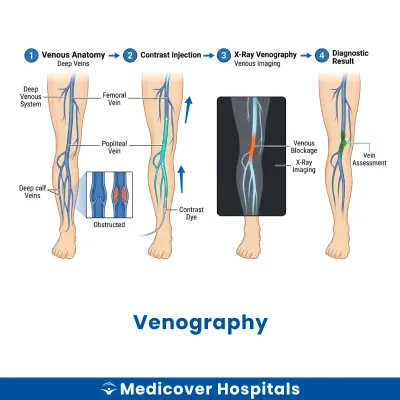
Venography is a diagnostic imaging procedure used to visualize veins, primarily in the legs. It involves injecting a contrast dye into the veins and taking X-ray images. This helps in identifying blockages or abnormalities in the venous system. The procedure is also known as phlebography.
Venography is needed to diagnose conditions like deep vein thrombosis (DVT) or venous insufficiency. These conditions can lead to serious complications if untreated, such as blood clots or chronic pain. Modern approaches for venography include digital subtraction venography and CT venography. These methods offer detailed images, aiding in accurate diagnosis and treatment planning.
Venography Doctors Near You
Discover skilled radiologists at Medicover Hospitals across India. Choose your city and book a consultation to explore venography options tailored to your needs. Your neurological health is our priority.
Why Choose Medicover Hospitals for Venography?
Get a second opinion from trusted experts and makeconfident, informed decisions.
 Get Second Opinion
Complete Guide To Venography
Everything you need to know about the procedure, preparation, and recovery
Venography procedure Indications
Doctors recommend venography when they need detailed images of the veins, especially in the brain and spinal cord. This procedure helps diagnose conditions that affect venous blood flow.
Cerebral Venous Thrombosis
Patients may experience severe headaches, vision problems, or seizures. Imaging might show abnormal blood flow in the brain. When symptoms persist despite medication, venography can provide a clearer picture.
Venous Malformations
Symptoms include swelling, pain, or skin changes over the affected area. MRI or CT scans may reveal unusual vein structures. If these malformations cause significant discomfort or complications, venography is considered.
Idiopathic Intracranial Hypertension
Patients often report headaches, vision changes, or ringing in the ears. Examination may show swollen optic nerves. When other tests are inconclusive, venography helps assess venous pressure and flow.
Chronic Cerebrospinal Venous Insufficiency
Symptoms include fatigue, dizziness, or cognitive issues. Doppler ultrasound might suggest abnormal vein flow. If symptoms worsen and other treatments fail, venography aids in diagnosis.
Spinal Venous Disorders
Patients may experience back pain, numbness, or weakness. MRI might show spinal cord compression. Venography is used when these symptoms persist and other imaging is insufficient.
How to Prepare for Venography?
Proper preparation for venography is crucial to ensure accurate results and minimize risks. Following the guidelines helps in a smooth procedure and recovery.
- Medication Review: Inform your doctor about all medications. You may need to stop NSAIDs, anticoagulants, and herbal supplements.
- Fasting: Fast for 4-6 hours before the procedure if sedation is planned. Follow specific instructions from your healthcare provider.
- Hydration: Drink plenty of water the day before the procedure unless instructed otherwise.
- Clothing: Wear loose, comfortable clothing on the day of the procedure for easy access to the area being examined.
- Transportation: Arrange for someone to drive you home post-procedure, as sedation may impair your ability to drive.
- Medical Information: Bring a list of all medications with dosages and any allergies you have.
- Allergy Alert: Inform your doctor about any allergies, especially to contrast dyes or iodine.
- Pre-Procedure Tests: Complete any required blood tests or imaging studies as advised by your doctor.
Venography procedure (Step-by-Step)
Overview: Venography is performed by radiologists. It typically takes about 30 to 60 minutes. Local anaesthesia is used to numb the area.
- Preparation: The patient is positioned comfortably on the examination table. The area where the catheter will be inserted is cleaned and sterilised.
- Local Anaesthesia: A local anaesthetic is injected to numb the insertion site. The patient remains awake but should not feel pain.
- Catheter Insertion: A small incision, about 1-2 mm, is made. A catheter is gently inserted into a vein, usually in the foot or arm.
- Contrast Injection: A contrast dye is injected through the catheter. The patient might feel a warm sensation as the dye moves through the veins.
- Imaging: X-ray images are taken as the dye travels through the veins. The patient needs to stay still during this process for clear images.
- Catheter Removal: Once imaging is complete, the catheter is carefully removed. Pressure is applied to the incision site to prevent bleeding.
- Post-Procedure Care: The incision site is bandaged. The patient is monitored for a short time before being allowed to go home.
Who Performs Venography procedure?
Venography is performed by radiology doctors. These specialists are trained in imaging techniques and procedures. They ensure the accurate diagnosis and assessment of vein conditions.
Recovery After Venography procedure
After a venography procedure, most patients can expect a relatively quick recovery. It's normal to experience some mild discomfort or bruising at the catheter insertion site. Following your doctor's advice will help ensure a smooth recovery.
Day 1:
- Rest is crucial. Avoid strenuous activities.
- Keep the insertion site clean and dry.
- Consume light meals. Opt for easily digestible foods like curd, dal-rice, or khichdi.
Day 2-3:
- Gradually resume light activities as comfort allows.
- Continue with a balanced diet. Include moong dal and soups for nourishment.
- Monitor the insertion site for any signs of infection.
Day 4-7:
- You may return to work or school if you feel up to it, but avoid heavy lifting.
- Maintain hydration and a nutritious diet to support healing.
- Regularly check the insertion site for any unusual changes.
Phase 2: Week 2 and Beyond
- Most patients can resume normal activities, but continue to avoid intense physical exertion.
- Follow up with your doctor as advised to ensure proper recovery.
When to Seek Urgent Help
- Severe pain or swelling at the insertion site.
- Persistent bleeding or discharge from the site.
- Fever or chills indicating possible infection.
- Sudden shortness of breath or chest pain.
Benefits of Venography procedure
Venography is a diagnostic procedure used to visualize veins and assess venous conditions.
- Accurate Diagnosis: Provides detailed images of veins to help diagnose conditions like deep vein thrombosis.
- Guides Treatment: Assists doctors in planning treatments for venous disorders by offering clear insights.
- Non-Surgical: Minimally invasive compared to surgical exploration, reducing recovery time.
- Real-Time Imaging: Allows for immediate assessment and decision-making during the procedure.
Risks and Complications of Venography procedure
While venography is generally safe, it does carry some risks and potential complications.
Common Risks
- Allergic reactions to contrast dye, which can cause itching or rash.
- Bruising or swelling at the injection site.
Rare Risks
- Infection at the injection site.
- Blood clot formation due to the procedure.
- Kidney damage from the contrast dye, especially in those with pre-existing kidney issues.
- Nerve damage if the needle affects surrounding tissues.
Cost of Venography procedure
The cost of a Venography procedure at Medicover Hospitals ranges from ₹3,999 to ₹20,000, depending on the ward category. Prices vary based on the type of accommodation chosen, ensuring transparent pricing for all patients.
Medicover Hospitals offers insurance and TPA support, including CGHS, ESI, and major TPAs, with a cashless facility available for added convenience. Please contact the hospital for the latest insurance panel details as these may change periodically.
Frequently Asked Questions
1. How much does Venography procedure cost at Medicover Hospitals?
The cost of a Venography procedure at Medicover Hospitals ranges from ₹3,999 to ₹20,
2. Prices vary based on the type of care and room chosen. 2. Is Venography procedure covered under health insurance at Medicover?
Venography may be covered by CGHS, ESI, and major TPAs for cashless treatment. Please contact the hospital for current panel details.
3. Can Venography detect deep vein thrombosis?
Yes, Venography is used to detect deep vein thrombosis in the veins. It provides a detailed image of blood flow and blockages.
4. Will I experience pain during Venography?
Some discomfort may occur when the contrast dye is injected. However, the procedure is generally well-tolerated by most patients.
5. How long does it take to recover from Venography?
Recovery from Venography is typically quick, often just a few hours. Most patients can resume normal activities the same day.
6. Are there any dietary restrictions after Venography?
No specific dietary restrictions are needed after Venography. Patients can continue with their regular diet, including curd, dal-rice, and khichdi.
7. What complications can arise from Venography?
Complications are rare but may include allergic reactions to the contrast dye. Inform your doctor if you have a history of allergies.


