 Call
Call Patient Reports
Vein Ligation and Stripping Surgery by Expert Vascular Endovascular Surgeon
Vein Ligation and Stripping at Medicover Hospitals is performed using the open surgical approach. Our team includes specialists with qualifications like MD, DNB, and DM. This procedure helps in reducing symptoms of varicose veins. Patients often experience shorter recovery times and reduced discomfort.
Expert Surgeons
Yearly Surgeries
Patient Satisfaction
What is Vein Ligation and Stripping?
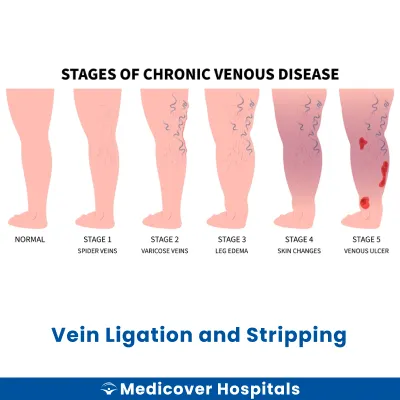
Vein ligation and stripping is a surgical procedure involving the removal of varicose veins from the legs. In this process, the affected veins are tied off (ligation) and then removed (stripping) through small incisions. Varicose veins are enlarged, twisted veins that often appear just under the skin. They can cause discomfort and cosmetic concerns.
This surgery is needed when varicose veins cause pain, swelling, or skin changes. If left untreated, they can lead to complications like ulcers or blood clots. Conditions such as chronic venous insufficiency often necessitate this procedure. Modern approaches include endovenous laser treatment and radiofrequency ablation, which are less invasive alternatives to traditional vein ligation and stripping.
Vein Ligation and Stripping Doctors Near You
Discover vascular endovascula rsurgeon for vein ligation and stripping at Medicover Hospitals across India. Choose your city and book a consultation to address your vascular health needs today.
Why Choose Medicover Hospitals for Vein Ligation and Stripping?
Get a second opinion from trusted experts and makeconfident, informed decisions.
 Get Second Opinion
Complete Guide To Vein Ligation And Stripping
Everything you need to know about the procedure, preparation, and recovery
Vein Ligation and Stripping Surgery Indications
Doctors recommend vein ligation and stripping surgery when varicose veins cause significant discomfort or complications. This procedure is often considered when less invasive treatments fail to provide relief.
Severe Varicose Veins
Patients may experience aching, heaviness, or throbbing in the legs. On examination, visibly enlarged, twisted veins are present. Surgery is advised when compression stockings and lifestyle changes do not alleviate symptoms.
Chronic Venous Insufficiency
Symptoms include swelling, skin changes, or ulcers on the legs. Diagnostic tests may show poor blood flow in the veins. When medications and compression therapy are ineffective, surgery is considered.
Recurrent Thrombophlebitis
Patients report pain, redness, and swelling along the veins. Ultrasound may reveal repeated inflammation or clotting in superficial veins. Surgery is recommended after repeated episodes despite anticoagulant therapy.
Leg Ulcers
Open sores on the legs that do not heal are common symptoms. Examination shows skin breakdown and poor circulation. Surgery is an option when wound care and compression fail to improve healing.
Severe Bleeding from Varicose Veins
Patients may experience sudden bleeding from veins close to the skin surface. Examination shows fragile, bulging veins. Surgery is considered when bleeding episodes recur despite conservative measures.
How to Prepare for Vein Ligation and Stripping?
Proper preparation for vein ligation and stripping ensures a smooth procedure and aids in recovery. It helps minimize complications and enhances the effectiveness of the surgery.
- Medication Review: Stop NSAIDs, anticoagulants, and herbal supplements as advised by your doctor.
- Fasting: Fast for at least 8 hours before the procedure if general anaesthesia is planned.
- Clothing: Wear loose, comfortable clothing on the day of surgery for easy dressing post-procedure.
- Transport: Arrange for someone to drive you home after the procedure as you may feel drowsy.
- Medication List: Bring a list of your current medications with dosages for hospital records.
- Hygiene: Bathe with antibacterial soap the night before to reduce infection risk.
- Smoking: Avoid smoking for at least 24 hours before surgery to improve healing.
- Rest: Ensure you get a good night's sleep before the procedure to aid recovery.
Vein Ligation and Stripping Surgery (Step-by-Step)
Overview: Vein ligation and stripping is performed by a vascular endovascular surgeon. The procedure typically lasts 1 to 2 hours. It is usually done under general or regional anaesthesia.
- Preparation: The patient is positioned comfortably on the operating table. Anaesthesia is administered to ensure no pain during the procedure.
- Incision: Small incisions (1-2 cm) are made near the affected vein. These are usually located at the groin and calf.
- Vein Ligation: The surgeon uses a surgical instrument to tie off the problematic vein. This prevents blood flow through the vein.
- Vein Stripping: A special tool called a stripper is inserted through the incision. It is used to remove the damaged vein from the leg.
- Closure: The incisions are closed with sutures or adhesive strips. A bandage is applied to support healing.
- Recovery: The patient is moved to a recovery area. They are monitored as the anaesthesia wears off. Mild discomfort or bruising may be experienced.
Who Performs Vein Ligation and Stripping Surgery?
This procedure is performed by vascular surgeons. They specialise in treating conditions affecting the veins and arteries. Their expertise ensures effective management of vein-related issues.
Recovery After Vein Ligation and Stripping Surgery
Recovery from vein ligation and stripping surgery involves managing discomfort and gradually returning to normal activities. It's essential to follow your doctor's advice for a smooth recovery.
Day 1-3:
- Rest is crucial. Keep your leg elevated to reduce swelling.
- Wear compression stockings as advised to improve circulation.
- Stick to a light diet. Opt for easily digestible foods like curd, dal-rice, and soups.
- Avoid strenuous activities and keep the surgical area dry.
Day 4-7:
- Gradually increase light activities like walking to promote blood flow.
- Continue wearing compression stockings during the day.
- Include fibre-rich foods like moong dal and khichdi to prevent constipation.
- Monitor the incision site for any signs of infection.
Week 2-4:
- You may resume work or school if your job is not physically demanding.
- Avoid heavy lifting and high-impact exercises.
- Maintain a balanced diet to support healing.
- Follow up with your doctor for a post-operative check-up.
When to Seek Urgent Help:
- Severe pain or swelling that doesn't improve with medication.
- Signs of infection such as redness, warmth, or discharge from the incision.
- Sudden shortness of breath or chest pain.
- Persistent bleeding or any unusual symptoms.
Contact Medicover Hospitals for any concerns during your recovery. Please contact the hospital for current details as insurance panels may change.
Benefits of Vein Ligation and Stripping Surgery
Vein ligation and stripping is a surgical procedure aimed at addressing varicose veins. It offers several benefits for patients.
- Improved Appearance: Helps reduce the visibility of varicose veins.
- Pain Relief: Alleviates discomfort and heaviness in the legs.
- Better Circulation: Enhances blood flow in the affected area.
- Prevention of Complications: Reduces the risk of ulcers and blood clots.
Risks and Complications of Vein Ligation and Stripping Surgery
While generally safe, vein ligation and stripping surgery carries potential risks and complications. Patients should be aware of these before proceeding.
- Common: Bruising and swelling around the treated area.
- Common: Temporary numbness or tingling in the leg.
- Rare: Infection at the incision sites.
- Rare: Deep vein thrombosis (DVT).
- Rare: Allergic reaction to anaesthesia.
- Rare: Scarring or skin discoloration.
Cost of Vein Ligation and Stripping Surgery
The cost of Vein Ligation and Stripping Surgery at Medicover Hospitals ranges from Rs. 12100 to Rs. 21000. The price varies depending on the ward category chosen, ensuring transparent pricing for all patients. Medicover Hospitals provide support for insurance and TPA, including CGHS, ESI, and major TPAs, with a cashless facility available for convenience. Please contact the hospital for the latest insurance panel details as these may change periodically.
Frequently Asked Questions
1. How much does Vein Ligation and Stripping surgery cost at Medicover Hospitals?
The cost for Vein Ligation and Stripping surgery at Medicover Hospitals ranges from Rs. 12100 to Rs. 21000, depending on the type of room chosen.
2. Is Vein Ligation and Stripping surgery covered under health insurance at Medicover?
Vein Ligation and Stripping surgery is often covered by CGHS, ESI, and major TPAs. Please contact the hospital for current panel details.
3. Will I need compression stockings after surgery?
Yes, wearing compression stockings is recommended after vein ligation and stripping to aid in healing and prevent swelling.
4. Can I walk immediately after vein surgery?
Walking is encouraged soon after vein ligation and stripping to promote circulation, but avoid strenuous activities for a few weeks.
5. Will I have visible scars after vein ligation?
Small incisions are made during vein ligation, resulting in minimal scarring that typically fades over time.
6. Can varicose veins return after surgery?
While vein ligation and stripping effectively remove affected veins, new varicose veins can develop over time.
7. What foods should I eat post-surgery?
Post-surgery, consume a diet rich in fibre and hydration, including foods like curd, dal-rice, and khichdi, to aid recovery.


