 Call
Call Patient Reports
Best Vascular Embolization Procedure Hospital with Advanced Care
At Medicover Hospitals, our Interventional Radiologists, with qualifications like MS, DNB, and DM, perform vascular embolization using endoscopic techniques. This minimally invasive procedure helps manage bleeding and other vascular conditions. Patients often experience reduced blood loss and shorter hospital stays.
Expert Experts
Yearly Procedures
Patient Satisfaction
What is Vascular Embolization?
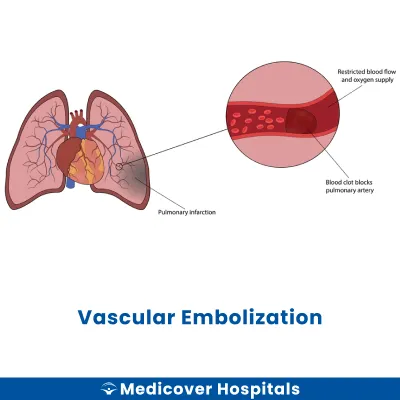
Vascular embolization is a medical procedure used to block blood vessels. It involves inserting materials to obstruct blood flow to a specific organ or body part. This technique is often used in the liver, kidneys, or uterus. By reducing or stopping blood supply, it helps manage conditions like tumors or bleeding.
This surgery is needed for conditions such as aneurysms, fibroids, or certain types of cancer. If left untreated, these conditions can lead to severe complications, including excessive bleeding or organ damage. Modern surgical approaches for vascular embolization include catheter-based techniques. These allow precise delivery of embolic agents to the target area, minimizing risks and improving outcomes.
Vascular Embolization Doctors Near You
Find expert interventional radiologists for vascular embolization at Medicover Hospitals across India. Choose your city and book a consultation to address your health needs effectively.
Why Choose Medicover Hospitals for Vascular Embolization?
Get a second opinion from trusted experts and makeconfident, informed decisions.
 Get Second Opinion
Complete Guide To Vascular Embolization
Everything you need to know about the procedure, preparation, and recovery
Vascular embolization Procedure Indications
Doctors recommend vascular embolization to block abnormal blood vessels or reduce blood flow to certain areas. It is often used when other treatments are ineffective or not possible.
Gastrointestinal Bleeding
Patients may experience severe or recurrent bleeding from the gastrointestinal tract. This can lead to symptoms like blood in stool or vomit. Imaging studies may show active bleeding sites. When medications and endoscopic treatments fail, embolization is considered.
Liver Tumours
Patients with liver tumours may suffer from pain or swelling in the abdomen. Imaging tests like CT or MRI scans reveal tumour growth. When surgery is not an option, embolization helps by cutting off the tumour's blood supply.
Varicose Veins
Symptoms include swollen, twisted veins and leg pain. Ultrasound may show abnormal blood flow in the veins. When compression stockings and lifestyle changes do not relieve symptoms, embolization can be a solution.
Uterine Fibroids
Patients often report heavy menstrual bleeding and pelvic pain. Ultrasound or MRI confirms fibroid presence. If medication and other non-surgical methods fail, embolization may be recommended to shrink fibroids.
Renal Artery Aneurysm
Patients might experience high blood pressure or flank pain. Imaging tests like angiography reveal aneurysms in the renal artery. When blood pressure remains uncontrolled or the aneurysm risks rupture, embolization is advised.
How to Prepare for Vascular Embolization?
Proper preparation for vascular embolization is crucial to ensure a smooth procedure and recovery. It helps in minimizing risks and enhancing the effectiveness of the treatment.
- Medication Review: Stop NSAIDs, anticoagulants, and herbal supplements as advised by your doctor to reduce bleeding risk.
- Fasting Requirement: Fast for at least 6-8 hours before the procedure if general anaesthesia is used.
- Hydration: Drink clear fluids up to 2 hours before the procedure unless instructed otherwise.
- Clothing: Wear loose, comfortable clothing on the day of the procedure for easy access and comfort.
- Transportation: Arrange for someone to drive you home post-procedure as you may feel drowsy.
- Medication List: Bring a list of all medications with dosages for the medical team to review.
- Pre-Procedure Tests: Complete any blood tests or imaging studies as requested by your healthcare provider.
- Personal Items: Leave valuables at home and bring only essentials like identification and insurance details.
Vascular embolization Procedure (Step-by-Step)
Vascular embolization is performed by interventional radiologists. The procedure typically lasts 1-3 hours. It is usually done under local anaesthesia with sedation.
- Preparation: The patient is positioned on the procedure table. Local anaesthesia is administered to numb the area where the catheter will be inserted, usually in the groin or arm.
- Catheter Insertion: A small incision, about 1-2 cm, is made. A catheter is inserted through this incision into the blood vessel. The patient may feel slight pressure but should not feel pain.
- Guidance: Using fluoroscopy (real-time X-ray), the interventional radiologist guides the catheter to the target blood vessel. The patient needs to remain still during this process.
- Embolic Agent Delivery: Once the catheter is in place, embolic agents such as coils, particles, or glue are delivered through the catheter to block the blood flow in the targeted vessel. The patient might feel warmth or mild discomfort.
- Catheter Removal: The catheter is carefully withdrawn. Pressure is applied to the incision site to prevent bleeding. The patient should remain still to aid healing.
- Monitoring: The patient is monitored for a few hours post-procedure to ensure there are no immediate complications. They may experience mild soreness at the incision site.
Who Performs Vascular embolization Procedure?
Vascular embolization is performed by interventional radiologists. These specialists are trained in using imaging techniques to guide procedures. They are skilled in minimally invasive techniques, ensuring precise delivery of embolic agents to the target area.
Recovery After Vascular Embolization Procedure
Recovery from a vascular embolization procedure varies from person to person. Most patients can expect a short hospital stay followed by a period of rest at home. It's important to follow your doctor's advice for a smooth recovery.
Day 1-2:
- Rest is crucial. Avoid strenuous activities.
- Keep the puncture site clean and dry.
- Light meals are recommended. Opt for easily digestible foods like curd, dal-rice, or moong dal.
Day 3-5:
- Gradually resume light activities as advised by your doctor.
- Continue with a balanced diet. Include khichdi and soups for nutrition.
- Monitor the puncture site for any signs of infection.
Day 6-10:
- You may start returning to normal activities, but avoid heavy lifting.
- Maintain hydration and a healthy diet.
- Attend follow-up appointments to ensure proper healing.
Phase 2 (Week 2-4):
- Most patients can resume work or school after two weeks, depending on recovery.
- Continue avoiding intense physical activities until fully cleared by your doctor.
- Maintain a balanced diet to support recovery.
When to Seek Urgent Help
- Severe pain or swelling at the puncture site.
- Signs of infection, such as redness, warmth, or discharge.
- Fever or chills.
- Unusual bleeding or bruising.
If you experience any of these symptoms, contact your healthcare provider immediately.
Benefits of Vascular embolization Procedure
Vascular embolization is a minimally invasive procedure used to block blood flow to specific areas. It offers several benefits for patients.
- Minimally Invasive: This procedure requires only a small incision, reducing recovery time.
- Targeted Treatment: It allows precise targeting of blood vessels, minimizing impact on surrounding tissues.
- Reduced Blood Loss: By blocking blood flow, it helps in controlling bleeding during surgeries.
- Effective for Tumours: It can shrink tumours by cutting off their blood supply.
Risks and Complications of Vascular embolization Procedure
While vascular embolization is generally safe, like any medical procedure, it carries some risks.
- Common: Bruising or swelling at the incision site.
- Common: Mild pain or discomfort after the procedure.
- Rare: Infection at the site of catheter insertion.
- Rare: Allergic reaction to the contrast dye used.
- Rare: Non-target embolization affecting nearby tissues.
- Rare: Blood vessel damage during the procedure.
Cost of Vascular embolization Procedure
The cost of a vascular embolization procedure can vary Rs.100000 to Rs.550000 based on several factors, including the surgical approach, duration of hospital stay, room category, required diagnostics, and post-operative care.
At Medicover Hospitals, we ensure transparent pricing for all procedures. We offer support for insurance and TPA, including CGHS, ESI, and major TPAs, with cashless facilities available for your convenience. Please contact the hospital for the latest insurance panel details as these may change periodically.
Frequently Asked Questions
1. How much does Vascular embolization cost?
The cost of a vascular embolization procedure can vary Rs.100000 to Rs.550000 based on several factors, Please contact Medicover Hospitals for the current cost details of the vascular embolization procedure.
2. Is Vascular embolization covered by insurance?
Vascular embolization may be covered under CGHS, ESI, or major TPAs. Please contact the hospital for current panel details.
3. Can vascular embolization affect kidney function?
Vascular embolization can sometimes affect kidney function, especially if the procedure involves renal arteries. Consult your doctor about potential risks.
4. Will I need to change my diet after embolization?
After vascular embolization, a light diet with foods like curd and dal-rice is recommended. Avoid spicy and oily foods for a few days.
5. Can I resume exercise after vascular embolization?
Light activities can usually resume within a week after vascular embolization. Consult your doctor before starting strenuous exercises.
6. Is there a risk of infection after embolization?
Infection is a rare complication after vascular embolization. Follow your doctor's post-procedure care instructions to minimize risks.
7. Will I experience pain after vascular embolization?
Some discomfort or pain is common after vascular embolization. Your doctor may prescribe medication to manage pain effectively.
8. Is embolization considered a surgery?
Embolization is not a traditional open surgery but a minimally invasive procedure done through blood vessels using a catheter. It is usually performed by interventional radiologists with small incisions and faster recovery.
9. What are the side effects of embolization?
Common side effects of Embolization include pain, swelling, mild fever, and fatigue after the procedure. Rare risks include infection, bleeding, or damage to nearby tissues, depending on the area treated.


