 Call
Call Patient Reports
Hospital for Valvuloplasty without Prosthetic Ring or Band Surgery
Valvuloplasty without Prosthetic Ring or Band at Medicover Hospitals is performed using an open surgical approach. Our team of surgeons, with qualifications like MS, DNB, and MCh, ensures precise procedures. This method often results in shorter hospital stays for patients across India.
Expert Surgeons
Yearly Surgeries
Patient Satisfaction
What is Valvuloplasty Without Prosthetic Ring or Band?
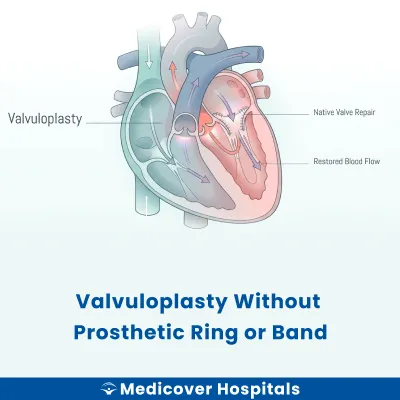
Valvuloplasty without Prosthetic Ring or Band is a surgical procedure performed on the heart. It involves repairing a heart valve without using a prosthetic ring or band. The heart valve (a structure that controls blood flow direction) is widened to improve blood flow. This is done using a balloon catheter, which is inserted through a blood vessel to the heart.
This surgery is needed for conditions like valve stenosis (narrowing of the heart valve). If left untreated, it can lead to heart failure or other serious complications. Modern approaches include balloon valvuloplasty, which is minimally invasive. This technique helps restore proper valve function and improves the patient's quality of life.
Valvuloplasty Without Prosthetic Ring or Band Doctors Near You
Discover skilled CTVS specialists for valvuloplasty without prosthetic ring or band at Medicover Hospitals across India. Choose your city and book a consultation to explore treatment options.
Why Choose Medicover Hospitals for Valvuloplasty Without Prosthetic Ring or Band?
Get a second opinion from trusted experts and makeconfident, informed decisions.
 Get Second Opinion
Complete Guide To Valvuloplasty Without Prosthetic Ring Or Band
Everything you need to know about the procedure, preparation, and recovery
Valvuloplasty without Prosthetic Ring or Band Surgery Indications
Doctors recommend valvuloplasty without a prosthetic ring or band when a heart valve is narrowed or not functioning properly. This procedure is often chosen when valve repair is possible without the need for additional support.
Mitral Valve Stenosis
Patients may experience shortness of breath, fatigue, or palpitations. Doctors find narrowing of the mitral valve on echocardiograms. When medication fails to relieve symptoms, surgery becomes necessary.
Aortic Valve Stenosis
Symptoms include chest pain, fainting, or breathlessness. Diagnostic tests reveal a narrowed aortic valve. If lifestyle changes and medications do not improve the condition, valvuloplasty is considered.
Pulmonary Valve Stenosis
Patients often have difficulty breathing and fatigue. Imaging shows a narrowed pulmonary valve. When non-surgical treatments do not alleviate symptoms, surgery is recommended.
Tricuspid Valve Stenosis
Signs include swelling in the abdomen or legs and fatigue. Echocardiograms show narrowing of the tricuspid valve. Surgery is advised when medication and other treatments are ineffective.
Rheumatic Heart Disease
Patients may experience joint pain, fever, and heart murmurs. Tests indicate valve damage due to rheumatic fever. When medical management does not control symptoms, valvuloplasty is considered.
How to Prepare for Valvuloplasty without Prosthetic Ring or Band?
Proper preparation is crucial for a smooth valvuloplasty procedure. It helps reduce risks and ensures a quicker recovery.
- Medication Adjustment: Stop NSAIDs, anticoagulants, and herbal supplements at least a week before surgery. Consult your doctor for guidance.
- Fasting Guidelines: Fast for at least 8 hours before the procedure. This is essential for the anaesthesia to work effectively.
- Pre-Procedure Tests: Complete all required blood tests and imaging studies as advised by your healthcare provider.
- Clothing: Wear loose, comfortable clothing on the day of the procedure for ease of movement and comfort.
- Transportation: Arrange for someone to drive you home after the procedure, as you may feel drowsy from the anaesthesia.
- Medication List: Bring a list of all medications you are currently taking, including dosages, to the hospital.
- Pre-Procedure Consultation: Attend all scheduled consultations to discuss any concerns and understand the procedure fully.
- Personal Items: Leave valuables at home and only bring essentials to the hospital.
Valvuloplasty without Prosthetic Ring or Band Surgery (Step-by-Step)
Performed by CTVS (Cardiothoracic and Vascular Surgery) specialists. The procedure typically lasts 2-4 hours and is done under general anaesthesia.
- Preparation: The patient is given general anaesthesia to ensure they are asleep and pain-free. Monitoring devices are attached to track vital signs.
- Incision: A small incision, usually 1-2 cm, is made in the groin area to access the femoral artery. This is where the catheter will be inserted.
- Catheter Insertion: A catheter with a deflated balloon at its tip is carefully inserted through the incision and guided to the heart valve using imaging techniques.
- Balloon Inflation: Once positioned at the narrowed valve, the balloon is inflated. This widens the valve opening by separating the valve leaflets.
- Balloon Deflation and Removal: The balloon is deflated and the catheter is removed. The valve should now allow better blood flow.
- Closure: The incision site is closed with sutures or adhesive strips. A bandage is applied to protect the area.
- Recovery: The patient is moved to a recovery area. They are monitored as they wake from anaesthesia. Pain management and vital sign checks continue.
Who Performs Valvuloplasty without Prosthetic Ring or Band Surgery?
This procedure is performed by cardiothoracic and vascular surgeons. They are trained to handle heart and blood vessel surgeries. Their expertise ensures the procedure is done safely and effectively.
Recovery After Valvuloplasty without Prosthetic Ring or Band Surgery
Recovery from valvuloplasty without a prosthetic ring or band is generally smooth, but it requires careful attention to your health. Expect some fatigue and mild discomfort initially. Gradual improvement is typical as you follow your doctor's advice.
Day 1-3:
- Rest is crucial. Avoid strenuous activities.
- Follow a light diet. Include easily digestible foods like khichdi and moong dal.
- Stay hydrated with water and clear soups.
Day 4-7:
- Begin gentle walking as advised by your doctor.
- Continue with a balanced diet. Add curd and dal-rice for protein and probiotics.
- Avoid lifting heavy objects.
Week 2-4:
- Gradually increase activity levels. Light household chores may be resumed.
- Return to work or school if you feel ready, but avoid stress.
- Maintain a heart-healthy diet. Include fruits, vegetables, and whole grains.
Phase 1 Month and Beyond:
- Regular follow-ups with your doctor are essential.
- Continue with moderate exercise, like walking or yoga, as advised.
- Monitor your health and maintain a balanced diet.
When to Seek Urgent Help:
- Sudden chest pain or shortness of breath.
- Severe fatigue or dizziness.
- Unusual swelling in the legs or abdomen.
- Persistent fever or signs of infection.
Benefits of Valvuloplasty without Prosthetic Ring or Band Surgery
Valvuloplasty without a prosthetic ring or band is a procedure aimed at improving heart valve function. It offers several benefits.
- Less Invasive: This procedure does not require additional hardware, reducing the invasiveness.
- Improved Blood Flow: Enhances blood circulation by widening the narrowed valve.
- Shorter Recovery Time: Patients often experience a quicker recovery compared to more invasive surgeries.
- Reduced Risk of Infection: Absence of foreign material lowers the infection risk.
Risks and Complications of Valvuloplasty without Prosthetic Ring or Band Surgery
While generally safe, valvuloplasty without a prosthetic ring or band carries some risks and complications.
- Bleeding at the catheter insertion site.
- Temporary irregular heart rhythms.
- Valve damage during the procedure.
- Blood clots leading to stroke.
- Infection at the catheter site.
- Allergic reaction to contrast dye used during the procedure.
Cost of Valvuloplasty without Prosthetic Ring or Band Surgery
The cost of Valvuloplasty without Prosthetic Ring or Band Surgery at Medicover Hospitals typically ranges from Rs.3,00,000 to Rs.4,80,000, depending on the surgical approach, duration of hospital stay, room category, required diagnostics, and post-operative care.
At Medicover Hospitals, we ensure transparent pricing for all procedures. We offer support for insurance and TPA, including CGHS, ESI, and major TPAs, with a cashless facility available for your convenience. Please contact the hospital for the latest insurance panel details as these may change periodically.
Frequently Asked Questions
1. How much does Valvuloplasty without Prosthetic Ring or Band surgery cost at Medicover Hospitals?
The cost of Valvuloplasty without Prosthetic Ring or Band surgery ranges from Rs.3,00,000 to Rs.4,80,
2. Please contact Medicover Hospitals for detailed pricing information. 2. Is Valvuloplasty without Prosthetic Ring or Band surgery covered under health insurance at Medicover?
Valvuloplasty may be covered by CGHS, ESI, and major TPAs. Please contact the hospital for current panel details.
3. Will I need blood thinners after valvuloplasty?
Blood thinners might be necessary post-valvuloplasty to prevent clots. Your doctor will guide you based on your specific condition.
4. Can I exercise after valvuloplasty?
Light exercise is usually recommended after a few weeks. Consult your doctor for a tailored exercise plan post-valvuloplasty.
5. Will I feel breathless after valvuloplasty?
Some breathlessness may occur initially post-surgery. It typically improves as the heart adjusts and recovers.
6. Can I eat spicy food after valvuloplasty?
Spicy food should be avoided initially post-surgery. Opt for soft foods like curd, dal-rice, or khichdi during recovery.
7. Is there a risk of valve leakage after valvuloplasty?
Valve leakage is a possible complication after valvuloplasty. Regular follow-ups are essential to monitor and manage any issues.


