 Call
Call Patient Reports
Best Hospital for Vaginal Hysterectomy Surgery with Expert Gynecological Care
At Medicover Hospitals, our gynecologists, with qualifications like MS, DNB, and FMAS, perform vaginal hysterectomy using the laparoscopic approach. This method involves smaller incisions, leading to reduced blood loss and a shorter hospital stay for patients.
Expert Surgeons
Yearly Surgeries
Patient Satisfaction
What is Vaginal Hysterectomy?
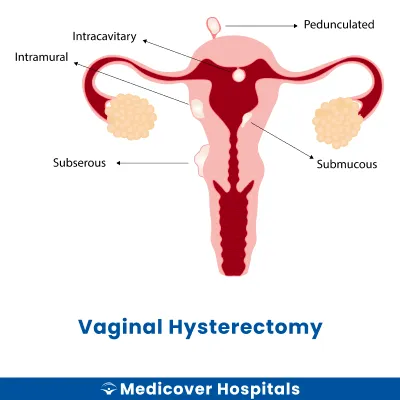
A vaginal hysterectomy is a surgical procedure to remove the uterus (womb) through the vagina. This approach avoids abdominal incisions. It is often chosen for its minimal scarring and quicker recovery. The uterus is the organ where a baby grows during pregnancy. Removing it means that a woman will no longer have menstrual periods and cannot become pregnant.
This surgery is needed for various conditions. These include uterine fibroids, endometriosis, uterine prolapse, or abnormal bleeding. If left untreated, these conditions can cause pain, discomfort, or other health issues. Modern surgical approaches for vaginal hysterectomy include laparoscopic-assisted techniques. These methods help in reducing recovery time and improving outcomes. Always consult a healthcare professional for advice on the best approach.
Vaginal Hysterectomy Surgery Doctors Near You
Find expert gynecologists for vaginal hysterectomy at Medicover Hospitals across India. Choose your city and book a consultation to discuss your treatment options with our specialists today.
Why Choose Medicover Hospitals for Vaginal Hysterectomy?
Get a second opinion from trusted experts and makeconfident, informed decisions.
 Get Second Opinion
Complete Guide To Vaginal Hysterectomy
Everything you need to know about the procedure, preparation, and recovery
Vaginal Hysterectomy Surgery Indications
Doctors may recommend a vaginal hysterectomy when non-surgical treatments fail to address certain gynecological conditions. This procedure is often chosen for its minimally invasive nature and shorter recovery time.
Uterine Fibroids
Patients may experience heavy menstrual bleeding, pelvic pain, or pressure. On examination, enlarged fibroids are often detected through ultrasound. When medications or other treatments do not relieve symptoms, surgery may be necessary.
Uterine Prolapse
Symptoms include a feeling of heaviness or pulling in the pelvis and urinary issues. Physical exams reveal the uterus has descended into the vaginal canal. Surgery is considered when pelvic exercises and pessaries do not provide relief.
Endometriosis
Severe pelvic pain and painful periods are common symptoms. Laparoscopy or imaging may show endometrial tissue outside the uterus. When hormonal treatments and pain management fail, a hysterectomy may be advised.
Chronic Pelvic Pain
Persistent pelvic pain that affects daily life may lead to further investigation. Tests may show no other identifiable cause. If pain persists despite medication and therapy, surgery could be the solution.
Abnormal Uterine Bleeding
Patients often report irregular or excessive bleeding not controlled by medication. Blood tests and ultrasounds may not reveal a clear cause. When bleeding is unmanageable, a hysterectomy might be recommended.
How to Prepare for Vaginal Hysterectomy?
Proper preparation for a vaginal hysterectomy is crucial to ensure a smooth surgery and recovery. It helps minimise risks and enhances the effectiveness of the procedure.
- Medication Review: Stop NSAIDs, anticoagulants, and herbal supplements as advised by your doctor.
- Fasting: Do not eat or drink anything for at least 8 hours before the surgery.
- Bowel Preparation: Follow any bowel prep instructions provided by your healthcare team.
- Pelvic Floor Exercises: Practice pelvic floor exercises if recommended by your doctor.
- Comfortable Clothing: Wear loose, comfortable clothing on the day of the surgery.
- Transportation: Arrange for someone to drive you home post-surgery.
- Medication List: Bring a list of your current medications, including dosages, to the hospital.
- Pre-Surgery Instructions: Follow any additional instructions given by your healthcare provider.
Vaginal Hysterectomy Surgery (Step-by-Step)
Vaginal hysterectomy is performed by gynecologists. The procedure typically lasts 1-2 hours. It is usually done under general or regional anaesthesia.
- Preparation: The patient is positioned with legs in stirrups. Anaesthesia is administered to ensure comfort and pain relief.
- Incision: A small incision is made in the vagina. This allows access to the uterus without external cuts.
- Uterus Detachment: The surgeon uses instruments like a curette and bipolar cautery to detach the uterus from surrounding tissues and ligaments.
- Uterus Removal: The uterus is carefully removed through the vaginal opening. The surgeon ensures no damage to nearby organs.
- Closure: The vaginal incision is closed with sutures. These are often self-dissolving, eliminating the need for removal.
- Recovery: The patient is moved to a recovery room. Vital signs are monitored as anaesthesia wears off.
- Post-Operative Care: Pain management and antibiotics may be provided. Instructions on activity restrictions and follow-up visits are given.
Who Performs VAGINAL HYSTERECTOMY Surgery?
Vaginal hysterectomy is performed by gynecologists. These specialists are trained in female reproductive health and surgical procedures. They ensure the surgery is done safely and effectively.
Vaginal Hysterectomy Surgery (Step-by-Step)
Vaginal hysterectomy is performed by gynecologists. The procedure typically lasts 1-2 hours. It is usually done under general or regional anaesthesia.
- Preparation: The patient is positioned with legs in stirrups. Anaesthesia is administered to ensure comfort and pain relief.
- Incision: A small incision is made in the vagina. This allows access to the uterus without external cuts.
- Uterus Detachment: The surgeon uses instruments like a curette and bipolar cautery to detach the uterus from surrounding tissues and ligaments.
- Uterus Removal: The uterus is carefully removed through the vaginal opening. The surgeon ensures no damage to nearby organs.
- Closure: The vaginal incision is closed with sutures. These are often self-dissolving, eliminating the need for removal.
- Recovery: The patient is moved to a recovery room. Vital signs are monitored as anaesthesia wears off.
- Post-Operative Care: Pain management and antibiotics may be provided. Instructions on activity restrictions and follow-up visits are given.
Who Performs VAGINAL HYSTERECTOMY Surgery?
Vaginal hysterectomy is performed by gynecologists. These specialists are trained in female reproductive health and surgical procedures. They ensure the surgery is done safely and effectively.
Benefits of Vaginal Hysterectomy Surgery
Vaginal hysterectomy is a surgical procedure to remove the uterus through the vagina. It offers several advantages over other methods.
- Less Invasive: This procedure avoids abdominal incisions, leading to quicker recovery.
- Reduced Pain: Patients often experience less postoperative pain compared to abdominal hysterectomy.
- Shorter Hospital Stay: Most patients can return home sooner, facilitating faster return to daily activities.
- Lower Risk of Infection: The procedure typically has a lower risk of surgical site infections.
- Minimal Scarring: As there are no external cuts, scarring is minimal.
Risks and Complications of VAGINAL HYSTERECTOMY Surgery
While vaginal hysterectomy is generally safe, like any surgery, it carries certain risks.
- A possible effect: Bleeding during or after the procedure.
- May occur: Infection, although less likely than with abdominal surgery.
- In rare cases: Injury to surrounding organs such as the bladder or bowel.
- Uncommon risk: Blood clots, which can be serious if they travel to the lungs.
- Rarely reported: Anesthesia-related complications.
- Occasionally: Vaginal prolapse in the future.
What is the Cost of Vaginal Hysterectomy Surgery?
The cost of Vaginal hysterectomy surgery across Medicover Hospitals ranges from Rs. 90,000 to Rs. 2,43,000. The price varies depending on the ward category chosen, such as day care, general, or private suites. We offer transparent pricing to ensure clarity for our patients.
Insurance and TPA support, including CGHS, ESI, and major TPAs, are accepted. A cashless facility is also available for added convenience. Please contact the hospital for the latest insurance panel details as these may change periodically.
Frequently Asked Questions
1. How much does Vaginal Hysterectomy surgery cost at Medicover Hospitals?
The cost of vaginal hysterectomy surgery at Medicover Hospitals ranges from Rs. 90,000 to Rs. 2,43,000, depending on the type of room and care required.
2. Is Vaginal Hysterectomy surgery covered under health insurance at Medicover?
Vaginal hysterectomy surgery may be covered under CGHS, ESI, and major TPAs. Please contact the hospital for current panel details.
3. Will I experience hormonal changes after vaginal hysterectomy?
Vaginal hysterectomy does not cause hormonal changes unless the ovaries are removed. Consult your doctor about potential symptoms and management.
4. How soon can I resume normal activities post-vaginal hysterectomy?
Most patients can resume normal activities within 6 weeks post-surgery. However, avoid heavy lifting and strenuous exercise during this period.
5. What dietary changes are recommended after vaginal hysterectomy?
Post-surgery, a light diet including curd, dal-rice, and khichdi is recommended. Gradually return to a regular diet as advised by your doctor.
6. Is urinary incontinence a risk after vaginal hysterectomy?
Urinary incontinence can occur after vaginal hysterectomy. Discuss preventive measures and treatment options with your healthcare provider.
7. Can vaginal hysterectomy affect my sexual life?
Some women may experience changes in sexual function after vaginal hysterectomy. Open communication with your partner and doctor can help address concerns.


