 Call
Call Patient Reports
Best Hospital for Vacuum Aspiration Procedure with Advanced Gynecology Care
Vacuum aspiration, a procedure often used for early pregnancy termination, is performed using advanced endoscopic techniques at Medicover Hospitals. Our team of gynecologists, with qualifications like MS, DNB, and FMAS, ensures precision in care. This approach typically results in shorter hospital stays for patients.
Expert Experts
Yearly Procedures
Patient Satisfaction
What is Vacuum Aspiration?
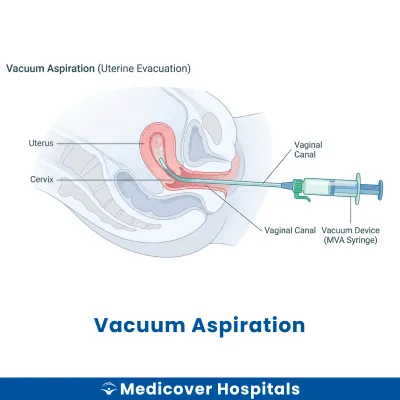
Vacuum aspiration is a medical procedure used to remove the contents of the uterus (womb). It involves using gentle suction to clear the uterine lining. This procedure is often performed during the first trimester of pregnancy. It is also known as suction aspiration or suction curettage.
This procedure is needed for various reasons. It is commonly used for early pregnancy termination or to manage incomplete miscarriage. If these conditions are left untreated, they can lead to complications like infection or heavy bleeding. Modern surgical approaches for vacuum aspiration include manual vacuum aspiration (MVA) and electric vacuum aspiration (EVA). Both methods are effective and widely used.
Vacuum Aspiration Procedure Doctors Near You
Find experienced gynecologists for vacuum aspiration at Medicover Hospitals across India. Choose your city and book a consultation to discuss your needs with our specialists today.
Why Choose Medicover Hospitals for Vacuum Aspiration?
Get a second opinion from trusted experts and makeconfident, informed decisions.
 Get Second Opinion
Complete Guide To Vacuum Aspiration
Everything you need to know about the procedure, preparation, and recovery
Vacuum Aspiration Procedure Indications
Doctors recommend vacuum aspiration when certain conditions require the removal of uterine contents. It is often chosen for its effectiveness and minimal invasiveness.
Incomplete Miscarriage
Patients may experience heavy bleeding and cramping after a miscarriage. An ultrasound may reveal retained tissue in the uterus. When bleeding persists despite medication, vacuum aspiration is advised.
Missed Abortion
In cases where the pregnancy has stopped developing but no miscarriage symptoms occur, patients may not notice any signs. An ultrasound shows no fetal heartbeat. Vacuum aspiration is performed to prevent complications.
First-Trimester Abortion
Patients seeking to terminate an early pregnancy may experience nausea and fatigue. A positive pregnancy test confirms the condition. Vacuum aspiration is chosen when medication is not suitable or desired.
Molar Pregnancy
Patients may present with abnormal bleeding and an unusually large uterus for gestational age. Ultrasound and lab tests indicate a molar pregnancy. Vacuum aspiration is necessary to remove the abnormal tissue.
Heavy Menstrual Bleeding
Some patients suffer from prolonged or excessive menstrual bleeding. Examination and tests may show uterine polyps or fibroids. When medication fails to control bleeding, vacuum aspiration helps remove the cause.
How to Prepare for Vacuum Aspiration?
Proper preparation for vacuum aspiration is crucial to ensure a smooth procedure and recovery. It helps in minimizing risks and enhancing comfort.
- Medication Review: Stop NSAIDs, anticoagulants, and herbal supplements a few days before the procedure, as advised by your doctor.
- Fasting: If general anaesthesia is used, fast for at least 6-8 hours before the procedure.
- Clothing: Wear loose, comfortable clothing on the day of the procedure for ease and comfort.
- Transportation: Arrange for someone to drive you home post-procedure, as you may feel drowsy from anaesthesia.
- Medication List: Bring a list of all medications you take, including dosages, to inform the medical team.
- Personal Items: Carry necessary personal items, such as sanitary pads, as light bleeding may occur post-procedure.
- Pre-Procedure Instructions: Follow any specific instructions given by your healthcare provider, such as bowel preparation if required.
- Emotional Support: Consider having a friend or family member accompany you for emotional support.
Vacuum Aspiration Procedure (Step-by-Step)
Vacuum aspiration is performed by gynecologists. The procedure typically lasts between 10 to 15 minutes. It is usually done under local anaesthesia, though general anaesthesia may be used in some cases.
- Preparation: The patient is positioned comfortably on the examination table. A speculum is inserted into the vagina to hold it open. This may cause slight pressure.
- Cervical Dilation: The cervix is gently dilated using a series of rods called dilators. This step may cause mild cramping.
- Insertion of Cannula: A thin, flexible tube called a cannula is inserted through the cervix into the uterus. The patient may feel some pressure during this step.
- Vacuum Aspiration: A manual or electric vacuum device is attached to the cannula. Suction is applied to remove the uterine contents. This may cause cramping similar to menstrual cramps.
- Inspection and Cleaning: A curette may be used to gently scrape the uterine walls to ensure all tissue is removed. The uterus is then inspected to confirm completion.
- Recovery: The patient is monitored for a short time in a recovery area. Mild cramping and spotting are common post-procedure.
Who Performs Vacuum Aspiration Procedure?
Vacuum aspiration is performed by gynecologists. These specialists are trained in women's reproductive health and surgical procedures. They ensure the procedure is done safely and effectively, addressing any concerns the patient may have. Please contact the hospital for current details as insurance panels may change.
Recovery After Vacuum Aspiration Procedure
Recovery after a vacuum aspiration procedure is generally quick, with most individuals resuming normal activities within a few days. However, it is important to follow specific guidelines to ensure a smooth recovery.
Day 1-2:
- Rest as much as possible. Avoid strenuous activities.
- Expect mild cramping and spotting, which is normal.
- Consume light meals. Include easily digestible foods like curd, dal-rice, and soups.
Day 3-5:
- Gradually resume light activities. Avoid heavy lifting or intense exercise.
- Continue with a balanced diet. Add moong dal and khichdi for nutrition.
- Stay hydrated. Drink plenty of water and herbal teas.
Day 6-7:
- Most individuals can return to work or school, depending on how they feel.
- Maintain a healthy diet to aid recovery. Include fruits and vegetables.
- Monitor for any unusual symptoms.
Phase 2: Week 2-4
- Resume normal activities gradually. Listen to your body and rest if needed.
- Continue with a nutritious diet to support healing.
- Follow up with your healthcare provider as advised.
When to Seek Urgent Help
- Heavy bleeding or passing large clots.
- Severe abdominal pain not relieved by medication.
- Fever or chills indicating possible infection.
- Foul-smelling vaginal discharge.
If you experience any of these symptoms, contact your healthcare provider immediately.
Benefits of Vacuum Aspiration Procedure
Vacuum aspiration is a medical procedure used for early pregnancy termination or uterine evacuation. It offers several benefits for patients.
- Quick Recovery: The procedure is usually completed within minutes, allowing for a faster recovery.
- Minimally Invasive: It involves a small suction device, reducing the need for surgical incisions.
- Effective: It is highly effective in completely evacuating the uterine contents.
- Reduced Pain: Local anaesthesia is often used, which can minimise discomfort during the procedure.
Risks and Complications of Vacuum Aspiration Procedure
While vacuum aspiration is generally safe, it is important to be aware of potential risks and complications.
- Cramping and mild bleeding can occur post-procedure.
- Infection risk, though rare, can occur if proper care is not taken.
- Incomplete evacuation may require additional procedures.
- Uterine perforation, though very uncommon, is a potential risk.
- Cervical injury, though infrequent, can occur during the procedure.
What is the Cost of Vacuum Aspiration Procedure?
The cost of the Vacuum Aspiration procedure at Medicover Hospitals ranges from Rs. 20,000 to Rs. 51,000. The price varies depending on the ward category chosen, such as day care, general, private, or suite options.
We offer transparent pricing and support for insurance and TPA, including CGHS, ESI, and major TPAs. A cashless facility is also available for your convenience. Please contact the hospital for the latest insurance panel details as these may change periodically.
Frequently Asked Questions
1. How much does Vacuum Aspiration cost?
The Vacuum Aspiration procedure costs between Rs. 20,000 and Rs. 51,000 at Medicover Hospitals, depending on the type of care and room chosen.
2. Is Vacuum Aspiration covered under insurance?
Insurance coverage for Vacuum Aspiration may be available under CGHS, ESI, and major TPAs. Please contact the hospital for current panel details.
3. Will I experience hormonal changes post-procedure?
Vacuum Aspiration does not typically cause hormonal changes as it does not involve the ovaries. Consult your doctor for specific concerns.
4. Can I resume exercise immediately after?
It is advisable to avoid strenuous exercise for at least one week after Vacuum Aspiration to ensure proper recovery and healing.
5. Will I have heavy bleeding after the procedure?
Some bleeding or spotting is common after Vacuum Aspiration. If heavy bleeding occurs, contact your healthcare provider immediately.
6. What foods should I eat post-procedure?
Consume light, easily digestible foods like curd, dal-rice, and khichdi after Vacuum Aspiration to aid recovery and avoid gastrointestinal discomfort.
7. Can I drive home after Vacuum Aspiration?
It is recommended to avoid driving immediately after the procedure due to the effects of anaesthesia and possible discomfort.


