 Call
Call Patient Reports
Uterine Artery Embolization Procedure by Expert Gynecologists
At Medicover Hospitals, our skilled radiologists, holding qualifications like MS, DNB, and FMAS, perform uterine artery embolization using minimally invasive techniques. This approach helps in managing conditions like uterine fibroids effectively. Patients often experience reduced blood loss and shorter hospital stays.
Expert Specialists
Yearly Treatments
Patient Satisfaction
What is Uterine Artery Embolization?
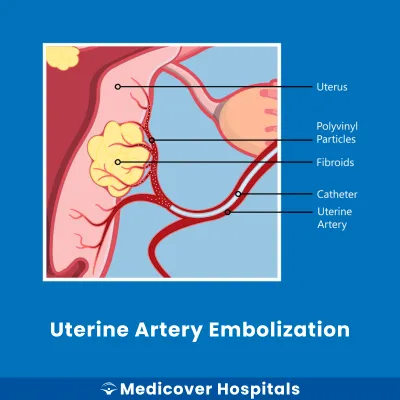
Uterine Artery Embolization (UAE) is a minimally invasive procedure. It targets the uterine arteries, which supply blood to the uterus. During UAE, tiny particles are injected to block these arteries. This reduces blood flow to uterine fibroids (non-cancerous growths), causing them to shrink. The procedure is performed by an interventional radiologist using imaging guidance.
UAE is often needed for women with symptomatic uterine fibroids. Symptoms include heavy menstrual bleeding, pelvic pain, and pressure. If untreated, these symptoms can worsen, affecting quality of life. UAE offers an alternative to traditional surgery, such as hysterectomy surgery (removal of the uterus). It is less invasive and has a shorter recovery time. Modern approaches include the use of advanced imaging techniques for precision.
Uterine Artery Embolization Doctors Near You
Discover skilled radiologists for uterine artery embolization at Medicover Hospitals across India. Choose your city and book a consultation to explore effective treatment options tailored to your needs.
Why Choose Medicover Hospitals for Uterine Artery Embolization?
Get a second opinion from trusted experts and makeconfident, informed decisions.
 Get Second Opinion
Complete Guide To Uterine Artery Embolization
Everything you need to know about the procedure, preparation, and recovery
Uterine Artery Embolization procedure Indications
Doctors recommend Uterine Artery Embolization (UAE) when patients experience symptoms from uterine fibroids that do not improve with conservative treatments. This minimally invasive procedure helps manage symptoms effectively.
Heavy Menstrual Bleeding
Patients often report prolonged or heavy menstrual bleeding affecting daily life. Doctors may find enlarged fibroids on ultrasound. When medications fail to control bleeding, UAE is considered.
Pelvic Pain or Pressure
Persistent pelvic pain or a sensation of pressure can be distressing. Imaging may show fibroids pressing on surrounding organs. If pain relief medications are ineffective, UAE may be advised.
Frequent Urination
Fibroids can press on the bladder, causing frequent urination. Patients may notice increased trips to the bathroom. When lifestyle changes and medications do not help, UAE can be an option.
Back and Leg Pain
Some patients experience back or leg pain due to fibroids pressing on nerves. MRI or CT scans can confirm fibroid location. UAE is considered when pain persists despite physiotherapy or medication.
Fibroid Growth
Rapid fibroid growth can cause concern. Doctors may detect this through regular ultrasounds. When growth leads to significant symptoms and other treatments are ineffective, UAE is recommended.
How to Prepare for Uterine Artery Embolization?
Proper preparation for uterine artery embolization is crucial for a smooth procedure and recovery. It helps minimize risks and ensures the best possible outcome.
- Medication Review: Stop NSAIDs, anticoagulants, and herbal supplements as advised by your doctor.
- Fasting: Do not eat or drink anything for at least 6 hours before the procedure due to anaesthesia requirements.
- Clothing: Wear loose, comfortable clothing on the day of the procedure for ease of movement post-surgery.
- Transportation: Arrange for someone to drive you home after the procedure, as you may feel drowsy.
- Medication List: Bring a list of all medications you take, including dosages, to share with the medical team.
- Pre-Procedure Tests: Complete any required blood tests or imaging studies as instructed by your healthcare provider.
- Personal Items: Leave valuables at home and bring only essentials to the hospital.
- Communication: Discuss any allergies or medical conditions with your doctor beforehand.
Uterine Artery Embolization procedure (Step-by-Step)
Overview: Uterine Artery Embolization is performed by interventional radiologists. The procedure typically lasts 1-2 hours. It is usually done under local anaesthesia with sedation.
- Preparation: The patient lies on the procedure table. A local anaesthetic is applied to the groin area to numb it.
- Catheter Insertion: A small incision, about 1-2 mm, is made in the groin. A catheter is inserted into the femoral artery using a guide wire.
- Artery Navigation: The catheter is carefully guided through the blood vessels to the uterine arteries. The patient may feel slight pressure but no pain.
- Embolic Agent Injection: Tiny particles, known as embolic agents, are injected through the catheter into the uterine arteries. This blocks the blood supply to the fibroids.
- Monitoring: The radiologist uses imaging techniques to ensure the embolic agents are correctly placed. The patient remains still during this stage.
- Catheter Removal: The catheter is gently removed. Pressure is applied to the incision site to prevent bleeding.
- Recovery: The patient is monitored for a few hours in a recovery area. Mild cramping and discomfort are common but manageable with medication.
Who Performs Uterine Artery Embolization procedure?
Uterine Artery Embolization is performed by interventional radiologists. These specialists are trained in using imaging techniques to guide instruments and perform minimally invasive procedures. They work closely with gynaecologists to manage uterine fibroids effectively.
Recovery After Uterine Artery Embolization procedure
Recovery from a Uterine Artery Embolization (UAE) procedure is generally smooth, but it requires some time and care. Patients may experience mild discomfort and fatigue. It's important to follow your doctor's advice and allow your body to heal properly.
Day 1-3:
- Rest is crucial. Avoid strenuous activities.
- Expect mild cramping and some vaginal bleeding.
- Stay hydrated and eat light meals like khichdi or moong dal.
Day 4-7:
- Gradually increase light activities as tolerated.
- Continue with a soft diet including curd, dal-rice, and soups.
- Pain and discomfort should start to decrease.
Day 8-14:
- Most can resume work or school if feeling up to it.
- Avoid heavy lifting and intense exercise.
- Maintain a balanced diet to support recovery.
Phase 3 (Week 3-4):
- Resume normal activities gradually.
- Continue to avoid high-impact exercises.
- Monitor for any unusual symptoms.
When to Seek Urgent Help
- Severe pain not relieved by medication.
- Heavy vaginal bleeding or unusual discharge.
- Fever or chills indicating possible infection.
- Difficulty urinating or severe abdominal pain.
Benefits of Uterine Artery Embolization procedure
Uterine Artery Embolization (UAE) is a minimally invasive procedure used to treat fibroids and other uterine conditions. It offers several advantages over traditional surgical methods.
- Minimally Invasive: UAE requires only a small incision, reducing recovery time.
- Preserves Uterus: Unlike hysterectomy, UAE preserves the uterus, which may be important for some women.
- Shorter Hospital Stay: Most patients can return home the same day or after a short hospital stay.
- Symptom Relief: Many women experience significant relief from symptoms like heavy bleeding and pain.
Risks and Complications of Uterine Artery Embolization procedure
While UAE is generally safe, it does carry some risks and potential complications. Patients should be aware of these before proceeding.
Common Risks
- Post-embolization syndrome, including pain, fever, and nausea, may occur.
- Temporary amenorrhea or changes in menstrual cycle can happen.
Rare Risks
- Infection at the puncture site or within the uterus.
- Non-target embolization affecting other organs.
- Allergic reaction to the contrast material used during the procedure.
Cost of Uterine Artery Embolization procedure
The cost of the Uterine Artery Embolization procedure at Medicover Hospitals ranges from ₹70,000 to ₹3,00,000. The price varies depending on the ward category chosen, such as outpatient, day care, general, and suite options.
We offer transparent pricing and support for insurance and TPA, including CGHS, ESI, and major TPAs. A cashless facility is also available for your convenience. Please contact the hospital for the latest insurance panel details as these may change periodically.
Frequently Asked Questions
1. How much does Uterine Artery Embolization cost?
The cost of Uterine Artery Embolization at Medicover Hospitals ranges from ₹70,000 to ₹3,00,000, depending on the specific services and accommodations.
2. Is Uterine Artery Embolization covered under insurance?
Uterine Artery Embolization may be covered by CGHS, ESI, and major TPAs. Please contact the hospital for current panel details.
3. Will I experience changes in menstrual cycle?
After Uterine Artery Embolization, some women may notice changes in their menstrual cycle. These changes can include lighter periods or temporary cessation.
4. Can fibroids return after embolization?
There is a chance that fibroids may recur after Uterine Artery Embolization. Regular follow-ups are essential to monitor any changes.
5. Is there a risk of infection post-procedure?
Infection is a potential risk after Uterine Artery Embolization. It's important to follow post-procedure care instructions to minimise this risk.
6. Will I need to avoid certain activities post-procedure?
After Uterine Artery Embolization, avoid heavy lifting and strenuous activities for a few weeks. Gradual return to normal activities is recommended.
7. Can I eat normal foods after the procedure?
Post-procedure, you can enjoy light Indian foods like curd, dal-rice, and khichdi. Gradually reintroduce more complex foods as you recover.


