 Call
Call Patient Reports
Best Hospital for Urethrotomy Surgery with Advanced Urology Care
At Medicover Hospitals, we provide expert urethrotomy surgery performed by experienced urologists and endourology specialists. This procedure treats urethral strictures and improves urine flow effectively. Using advanced endoscopic techniques and modern operation theatres, we ensure safe treatment, minimal discomfort, and faster recovery. Our team offers personalized care and continuous monitoring for the best outcomes.
Expert Surgeons
Successful Surgeries
Success Rate
What is Urethrotomy?
Urethrotomy is a minimally invasive surgical procedure used to treat narrowing (stricture) of the urethra-the tube that carries urine out of the body. In children, this condition may be congenital (present at birth) or acquired due to infection, trauma, or prior catheter use.
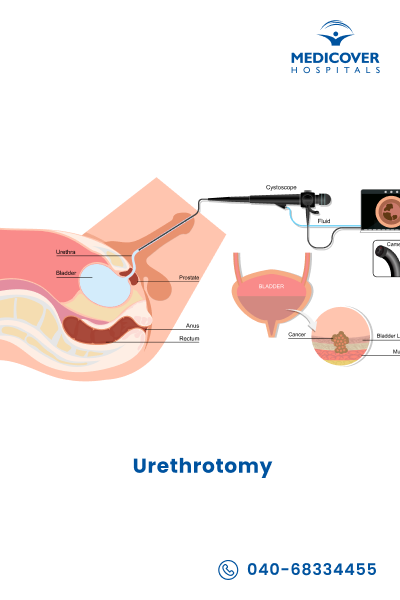
The procedure involves making a small incision inside the urethra using an endoscopic instrument to widen the narrowed area and restore normal urine flow.
Types of Urethrotomy
Different approaches are used depending on the stricture's length, location, and severity:
- Optical Internal Urethrotomy (OIU)
- Cold Knife Urethrotomy
- Laser Urethrotomy
Best Doctors for Urethrotomy Surgery Near You
Our experienced urologists perform urethrotomy surgery using advanced endoscopic techniques to treat urethral strictures and restore normal urine flow. This minimally invasive procedure involves precise incision of the narrowed urethra, ensuring effective relief from urinary symptoms. With a focus on safety, reduced recurrence risk, and faster recovery, our team provides personalized care and optimal treatment outcomes.
Why Choose Medicover Hospitals for Urethrotomy
Get a second opinion from trusted experts and makeconfident, informed decisions.
 Get Second Opinion
Complete Guide to Urethrotomy
Everything you need to know about the urethrotomy procedure, preparation, and recovery
Indications for Urethrotomy
Urethrotomy is performed to treat urethral narrowing (stricture) and restore normal urine flow. At Medicover Hospitals, evaluation is done by an experienced Urologist to determine the need for the procedure.
When is Urethrotomy Recommended?
- Congenital Strictures: Narrowing of the urethra present from birth
- Trauma-Induced Strictures: Injury from accidents or prior medical procedures
- Infection-Related Scarring: Chronic infections causing urethral narrowing
- Urethral Valves or Obstruction: Abnormal tissue blocking urine flow
- Symptom Relief: Persistent pain, difficulty urinating, or recurrent infections
- Preventing Kidney Damage: Ensures proper urine flow and reduces pressure on kidneys
- Failed Non-Surgical Treatment: When medications or dilation procedures are ineffective
Who Needs Urethrotomy?
Urethrotomy is advised when symptoms indicate urinary obstruction or poor bladder emptying.
Common Signs & Symptoms
- Weak or slow urine stream
- Straining or difficulty while urinating
- Feeling of incomplete bladder emptying
- Frequent urination or urgency
- Burning sensation or pain during urination
- Blood in urine (hematuria)
- Recurrent urinary tract infections (UTIs)
- Dribbling or inability to pass urine properly
Preparation for Urethrotomy
Preparing properly for urethrotomy surgery helps ensure a smooth procedure and faster recovery. At Medicover Hospitals, patients are guided by an experienced Urologist.
How to Prepare Before Surgery
- Preoperative Evaluation: Tests like urine flow study, cystoscopy, and retrograde urethrogram to locate the stricture
- Fasting Guidelines: Avoid food and liquids for 6-8 hours before surgery
- Medication Review: Inform your doctor about current medications; blood thinners may need adjustment
- Hydration & Hygiene: Maintain good hydration and proper genital hygiene before the procedure
- Hospital Admission: Usually admitted on the same day or a day prior, depending on the case
Steps Involved in Urethrotomy
Urethrotomy is a minimally invasive endoscopic procedure performed to open a narrowed urethra and restore urine flow. At Medicover Hospitals, it is carried out by an experienced Urologist using advanced techniques.
Before the Procedure
- Preoperative Assessment: Detailed evaluation of medical history and overall health
- Specialist Consultation: Discussion of procedure, risks, benefits, and expected outcomes
- Fasting & Medication Management: Preparation for anesthesia, including medication adjustments
- Patient Readiness: Physical and mental preparation with clear instructions
During the Procedure
- Anesthesia: Usually performed under general or spinal anesthesia for comfort
- Endoscopic Access: A cystoscope (thin tube with camera) is inserted through the urethra
- Stricture Incision: The narrowed segment is carefully cut to widen the passage
- Instrumentation: Specialized tools are used for precision and minimal tissue damage
- Catheter Placement: A temporary catheter or stent may be placed to support healing
Recovery After Urethrotomy
Recovery after urethrotomy focuses on restoring smooth urine flow and preventing recurrence. Most patients recover quickly with proper care and follow-up.
Early Recovery Phase
- Immediate Monitoring: Vital signs and urine output are observed after the procedure
- Pain Management: Mild discomfort is managed with prescribed medications
- Catheter Care: A temporary catheter may be placed to aid healing and ensure proper urine flow
Postoperative Care
- Antibiotics: Prescribed to prevent infection
- Hydration: Adequate fluid intake helps flush the urinary system
- Hygiene: Maintain proper genital hygiene to avoid complications
Follow-Up & Long-Term Care
- Scheduled Visits: Regular check-ups to assess healing and urine flow
- Monitoring Symptoms: Watch for difficulty urinating, pain, or signs of infection
- Preventing Recurrence: Guidance on lifestyle and medical care to reduce stricture recurrence
- Addressing Concerns: Ongoing communication with your Urologist
Risks & Benefits of Urethrotomy
Urethrotomy is a minimally invasive procedure designed to open a narrowed urethra and improve urinary flow, offering quick relief from bothersome symptoms.
Benefits of Urethrotomy
- Restores normal urine flow and reduces obstruction
- Relieves pain, burning, and urinary discomfort
- Minimally invasive with no major external incision
- Short procedure time with faster recovery
- Can be repeated if strictures recur
- Improves bladder emptying and overall quality of life
Risks & Possible Complications
- Bleeding or infection after the procedure
- Recurrence of urethral stricture over time
- Temporary burning sensation during urination
- Scar tissue formation at the treatment site
- Rare cases of urinary retention or injury to surrounding tissues
How Much Does Urethrotomy Cost in India?
The cost of urethrotomy in India varies depending on the technique used, hospital facilities, and overall treatment requirements. At Medicover Hospitals, patients receive advanced urology care with transparent and cost-effective pricing.
- Standard Urethrotomy: Rs. 45,000 - Rs. 1,00,000
- Laser Urethrotomy: Rs. 70,000 - Rs. 1,50,000+
What Affects the Cost?
- Type of procedure (standard vs laser)
- Anesthesia and operation theatre charges
- Hospital infrastructure and expertise
- Duration of hospital stay and catheter care
- Postoperative medications and follow-up visits
At Medicover Hospitals, treatment plans are personalized to ensure effective urethrotomy treatment with minimal complications and faster recovery.
Patient Success Stories
Real experiences from patients who regained their mobility and quality of life
 Patient Review
""I had difficulty passing urine, and the urethrotomy solved it completely. The doctors were excellent.""
 Patient Review
""My urethrotomy surgery went smoothly, and I felt better within days. The hospital staff was very caring.""
Patient Review
""After urethrotomy, my problem was fully solved. I am very thankful to the doctors.""
Frequently Asked Questions
1. What is Urethrotomy and why is it performed?
Urethrotomy is a minimally invasive surgical procedure used to treat urethral strictures, where scar tissue narrows the urethra. It helps restore normal urine flow and relieve symptoms like weak stream or urinary retention.
2. How is a Urethrotomy procedure performed?
During Urethrotomy, a thin instrument called a cystoscope is inserted into the urethra. The surgeon uses a small knife or laser to cut through the stricture, widening the passage to allow smooth urine flow.
3. Who needs a Urethrotomy procedure?
Urethrotomy is recommended for patients with urethral strictures caused by infections, trauma, inflammation, or prior surgeries. It is ideal for those experiencing difficulty urinating or frequent urinary tract infections.
4. Is Urethrotomy a painful procedure?
Urethrotomy is performed under general or spinal anesthesia, so patients do not feel pain during the procedure. Mild discomfort or burning during urination may occur for a few days afterward and is manageable.
5. How long does a Urethrotomy surgery take?
A typical Urethrotomy procedure takes 30 to 45 minutes. It is usually done as a day-care surgery, meaning most patients can return home the same day.
6. What is the recovery time after Urethrotomy?
Recovery is usually quick, with most patients resuming normal activities within a week. A temporary catheter is kept for a few days to support healing.
7. Can Urethrotomy completely cure urethral stricture?
Urethrotomy effectively treats short and mild strictures, but recurrence is possible in severe cases. Regular follow-ups help maintain long-term results.
8. What are the common symptoms of urethral stricture before Urethrotomy?
Symptoms include weak urine stream, straining, frequent infections, and incomplete bladder emptying.
9. Are there risks or complications after Urethrotomy?
Complications are rare but may include mild bleeding, infection, or recurrence. Proper care reduces these risks.
10. Is anesthesia required for Urethrotomy surgery?
Yes, it is performed under general or spinal anesthesia to ensure a pain-free experience.
11. Can Urethrotomy be repeated if the stricture returns?
Yes, it can be repeated if needed, though recurrent cases may require alternative treatments like urethroplasty.


