Advanced Urethrotomy Surgery at Medicover

Restore normal urine flow with advanced Urethrotomy. Expert urologists, modern laser and endoscopic techniques, and affordable care available across India. Book your consultation today!

24+

Expert Surgeons

1k+

Successful Surgeries

98%

Success Rate

Book Your Consultation

Complete Guide to Urethrotomy

Everything you need to know about the procedure, preparation, and recovery

What is Urethrotomy?

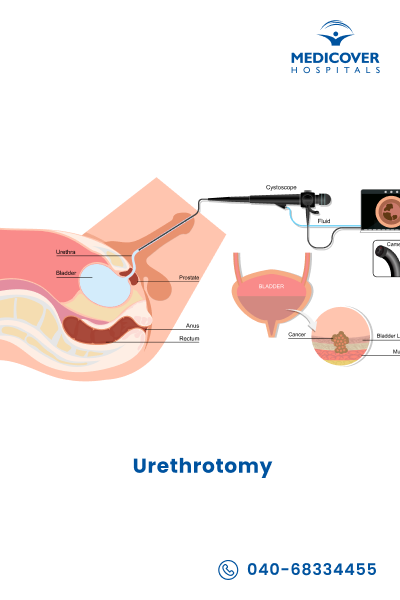
Urethrotomy in children is a surgical procedure aimed at addressing urethral strictures or blockages to restore normal urine flow. This procedure is crucial for alleviating symptoms and preventing potential kidney damage. Here’s what you need to know about this specialized intervention.

Types of Urethrotomy

Different approaches are used depending on the stricture’s length, location, and severity:

  • Optical Internal Urethrotomy (OIU): The most common technique, where a thin endoscope with a blade or laser is used to cut through the stricture under direct vision.
  • Cold Knife Urethrotomy: Uses a small surgical blade to precisely cut the scar tissue causing the blockage.
  • Laser Urethrotomy: A laser beam is used instead of a blade to vaporize the scar tissue, ensuring minimal bleeding and faster healing.

30-60 Minutes

Surgery Duration

General or Spinal Anesthesia

Anesthesia Used

0-1 Days

Hospital Stay

2-3 Weeks

Full Recovery Timeline

Urethrotomy

Indications for Urethrotomy

Congenital and Acquired Conditions

Urethrotomy is indicated for various conditions that cause urethral narrowing:

  • Congenital Strictures: Narrow urethra present from birth.
  • Trauma-Induced Strictures: Resulting from accidents or medical procedures.
  • Infection-Related Strictures: Chronic infections leading to urethral scarring.
  • Urethral Valves: Abnormal tissue obstructing urine flow.
  • Symptomatic Relief: Addresses pain, recurrent infections, or difficulty urinating.
  • Preventing Kidney Damage: Ensures normal urine flow to prevent kidney complications.
  • Failure of Other Treatments: When non-surgical methods are ineffective.

Who Needs Urethrotomy?

Urethrotomy is recommended when symptoms suggest a narrowing of the urethra or urinary obstruction.

Common symptoms that may indicate the need for urethrotomy include:

  • Weak or slow urine stream
  • Straining or difficulty while urinating
  • Incomplete bladder emptying
  • Frequent urination or urgency
  • Pain or burning sensation during urination
  • Blood in urine (hematuria)
  • Recurrent urinary tract infections (UTIs)
  • Dribbling of urine or urinary retention

How to Prepare for Urethrotomy

  • Preoperative Evaluation: Urine flow tests, cystoscopy, and imaging (retrograde urethrogram) to identify stricture site.
  • Fasting: Usually 6-8 hours before surgery.
  • Medication Review: Certain medications, such as blood thinners, may need adjustment.
  • Hydration and Hygiene: Adequate hydration and genital hygiene before surgery.
  • Hospital Admission: Usually on the same day or a day before the procedure.

Steps Involved in Urethrotomy?

Steps Before Urethrotomy

Preparation is essential for a successful surgery and includes:

  • Preoperative Assessment: Comprehensive evaluation of health and medical history.
  • Consultation with Surgeons: Discussion of risks, benefits, and expectations.
  • Fasting and Medication Management: Necessary preparations for anesthesia.
  • Emotional and Physical Readiness: Explanation of the procedure and comfort measures.

During the Surgery

The surgical process involves:

  • Anesthesia and Incision: Administering general anesthesia and making a precise incision in the narrowed urethra.
  • Instrumentation: Using a cystoscope with a camera and surgical tools.
  • Post-Incision Management: Possibly placing a temporary stent or catheter for healing support.

Recovery Post Urethrotomy

Managing recovery includes:

  • Immediate Recovery: Monitoring vital signs and initial healing.
  • Pain Management and Catheter Care: Providing comfort and ensuring proper urinary function.
  • Antibiotics and Follow-Up: Preventing infections and scheduling necessary check-ups.

Monitoring and Long-Term Follow-Up

Ongoing care involves:

  • Scheduled Appointments: Monitoring healing progress and overall recovery.
  • Addressing Concerns: Open communication for adjusting care as needed.
  • Preventing Complications: Educating parents on signs of potential issues.

Benefits of Urethrotomy

  • Restores normal urine flow
  • Relieves urinary pain and discomfort
  • Minimally invasive with small or no external incision
  • Quick procedure and short recovery period
  • Can be repeated if necessary for recurrent strictures
  • Improves bladder emptying and quality of life

Risks of Urethrotomy

Though generally safe, potential risks include:

  • Bleeding or infection after the procedure
  • Recurrence of urethral stricture
  • Temporary urinary discomfort or burning
  • Scar tissue formation
  • Rarely, urinary retention or injury to nearby tissues

How Much Does Urethrotomy Cost in India?

  • Standard Procedure: Rs. 45,000 - Rs. 1,00,000
  • Laser Urethrotomy: Rs. 70,000 - Rs. 1,50,000+

Costs depend on hospital type, anesthesia, surgical method, and post-operative care.

Meet Our Urethrotomy Experts

Our team of skilled urologists are specializes in performing urethrotomy using the latest techniques for safe and effective outcomes.

Why Choose Medicover Hospitals for Urethrotomy

Expert urology care with advanced minimally invasive procedures, experienced urologists, and 24/7 emergency support to restore your health.

why choose stethoscope icon
Highly Experienced Specialists

Our urology specialists have vast experience in performing urethrotomy with precision and safety.

why choose right icon
High Success Rate in Treatment

We have a proven record of successful outcomes in treating urethral stricture, reducing the risk of traumatic urethral injury

why choose split icon
Advanced Technology & Facilities

Latest and advanced urology labs, and modern operating theatres ensure safe and accurate procedures.

why choose love-outline icon
Personalized Patient Care

Each treatment plan is customized based on the severity of traumatic urethral injury, patient health, and long-term urology needs.

why choose globe icon
International Patient Support

Comprehensive support for overseas patients, including treatment planning, travel guidance, and long-term follow-up care.

why choose emergency icon
24/7 Emergency Care

Round-the-clock urology emergency services are available to treat urethrotomy, traumatic urethral injury, recurrent urinary retention, and other life-threatening urology conditions.

why choose icu icon
ISO-Certified Intensive Care Units

Specialized urology ICUs provide maximum safety, close monitoring, and recovery support after urethrotomy procedures.

why choose atm card icon
Medicover Family Card - Secure Your Family's Health

Exclusive membership offering discounts, priority consultations, and ongoing healthcare support for your family.

Get a second opinion from trusted experts and makeconfident, informed decisions.

Get Second Opinion

Patient Success Stories

Real experiences from patients who regained their mobility and quality of life

Insurances & TPAs

At Medicover Hospitals, we’re committed to making your treatment journey seamless and stress-free. That’s why we’ve partnered with a wide network of leading private health insurance companies and TPAs to offer cashless and reimbursement options for most of our procedures, including this one.

If you’re covered under an individual, family floater, or corporate health plan, there's a good chance your insurance provider is on our empanelled list. We currently work with 30+ trusted insurers to help ease the financial burden of medical care. To confirm your coverage and know the list of insurance companies associated with us, please get in touch with our insurance help desk or call us directly.

Still have questions? Speak with our experts now!

040-68334455

Advanced Urethrotomy Surgery at Medicover Price in Major Cities in India

City Average Cost (INR)
Advanced Urethrotomy Surgery Cost in Hitech CityRs. 36,000 - Rs. 180,000
Safe Urethrotomy Surgery Cost in ChandanagarRs. 34,900 - Rs. 174,600
Trusted Urethrotomy Surgery Cost in KarimnagarRs. 31,300 - Rs. 156,600
Comprehensive Urethrotomy Surgery Cost in NizamabadRs. 31,300 - Rs. 156,600
Certified Urethrotomy Surgery Cost in WarangalRs. 31,300 - Rs. 156,600
Accredited Urethrotomy Surgery Cost in SecunderabadRs. 36,000 - Rs. 180,000
Clinical Urethrotomy Surgery Cost in KokapetRs. 37,800 - Rs. 189,000
Evidence-Based Urethrotomy Surgery Cost in VisakhapatnamRs. 32,400 - Rs. 162,000
Patient-Centric Urethrotomy Surgery Cost in GunturRs. 31,600 - Rs. 158,400
Standardized Urethrotomy Surgery Cost in VizianagaramRs. 30,900 - Rs. 154,800
Cost-Effective Urethrotomy Surgery Cost in SrikakulamRs. 30,900 - Rs. 154,800
Advanced Urethrotomy Surgery Cost in KakinadaRs. 31,300 - Rs. 156,600
Structured Urethrotomy Surgery Cost in KurnoolRs. 30,900 - Rs. 154,800
Affordable Urethrotomy Surgery Cost in NelloreRs. 31,300 - Rs. 156,600
Professional Urethrotomy Surgery Cost in MumbaiRs. 43,200 - Rs. 216,000
Expert Urethrotomy Surgery Cost in NashikRs. 37,800 - Rs. 189,000
Regulated Urethrotomy Surgery Cost in Chhatrapati Sambhaji NagarRs. 36,000 - Rs. 180,000
Ethical Urethrotomy Surgery Cost in PuneRs. 37,800 - Rs. 189,000
Advanced Urethrotomy Surgery Cost in SangamnerRs. 33,100 - Rs. 165,600
Transparent Urethrotomy Surgery Cost in White Feild, BengaluruRs. 39,600 - Rs. 198,000

Disclaimer: The costs mentioned above are approximate and may vary based on individual clinical evaluation, the complexity of the procedure, pre-operative assessments, surgeon expertise, hospitalization requirements, and post-operative care. Patients are advised to consult Medicover medical team for an accurate and personalized treatment estimate.

Frequently Asked Questions

Urethrotomy is a minimally invasive surgical procedure used to treat urethral strictures, where scar tissue narrows the urethra. It helps restore normal urine flow and relieve symptoms like weak stream or urinary retention.

During Urethrotomy, a thin instrument called a cystoscope is inserted into the urethra. The surgeon uses a small knife or laser to cut through the stricture, widening the passage to allow smooth urine flow.

Urethrotomy is recommended for patients with urethral strictures caused by infections, trauma, inflammation, or prior surgeries. It’s ideal for those experiencing difficulty urinating or frequent urinary tract infections.

Urethrotomy is performed under general or spinal anesthesia, so patients don’t feel pain during the procedure. Mild discomfort or burning during urination may occur for a few days afterward and is easily manageable.

A typical Urethrotomy procedure takes 30 to 45 minutes. It’s usually done as a day-care surgery, meaning most patients can return home the same day after short observation and post-surgical care.

Recovery after Urethrotomy is usually quick, with most patients resuming normal activities within a week. A temporary catheter is kept for a few days to ensure proper urine drainage and healing.

Urethrotomy effectively treats short and mild strictures, but recurrence is possible in severe cases. Regular follow-ups and lifestyle modifications can help maintain long-term results and prevent re-narrowing.

Common symptoms include a weak urine stream, straining to urinate, frequent infections, or incomplete bladder emptying. Urethrotomy helps relieve these symptoms by restoring normal urinary passage.

Complications are rare but may include mild bleeding, infection, or recurrence of the stricture. Proper post-operative care, hydration, and regular follow-ups minimize these risks effectively.

Yes, Urethrotomy is performed under general or spinal anesthesia to ensure a pain-free experience. The choice depends on the patient’s condition and the surgeon’s recommendation for optimal comfort.

Yes, Urethrotomy can be safely repeated for recurrent strictures. However, in cases of frequent recurrence, doctors may suggest alternative treatments like urethroplasty for a more permanent solution.

Before Urethrotomy, patients undergo urine tests, imaging, and sometimes antibiotics to prevent infection. Fasting for a few hours and following the doctor’s pre-surgical instructions ensures safe surgery.

After Urethrotomy, staying hydrated, avoiding alcohol and smoking, and practicing good genital hygiene help prevent infection and recurrence, supporting faster recovery and long-term urinary health.

Urethrotomy works best for short, single, or mild strictures. For longer or complex strictures, reconstructive surgery like urethroplasty may provide better and more lasting outcomes.

Yes, most patients notice a significant improvement in urinary flow right after catheter removal. The procedure restores the urethral passage, allowing comfortable and complete bladder emptying.

Book Appointment Second Opinion WhatsApp Health Packages Find Doctors

Feeling unwell?

Request a callback!