 Call
Call Patient Reports
Best Urethral Reconstruction Surgery Hospital with Advanced Urology Care
At Medicover Hospitals, our skilled urologists, holding qualifications like MD, DM, and DNB, perform urethral reconstruction using advanced open surgical techniques. This approach ensures precise correction of urethral abnormalities. Patients benefit from smaller incisions and reduced blood loss, enhancing recovery across India.
Expert Surgeons
Yearly Surgeries
Patient Satisfaction
What is Urethral Reconstruction?
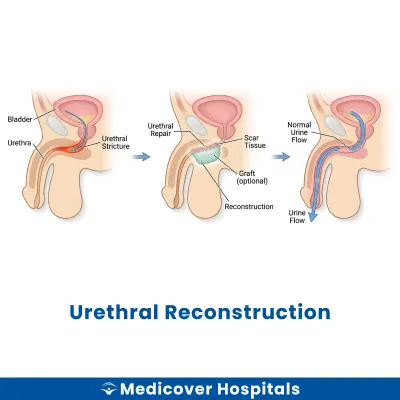
Urethral reconstruction is a surgical procedure aimed at repairing or reconstructing the urethra. The urethra is the tube that carries urine from the bladder to the outside of the body. This surgery is often necessary when the urethra is damaged or blocked, affecting normal urination.
This surgery is needed for conditions like urethral stricture (narrowing of the urethra) or injury. If left untreated, these conditions can lead to urinary retention, infections, or kidney damage. Modern surgical approaches include urethroplasty, which involves removing the narrowed section or using tissue grafts to reconstruct the urethra. These techniques help restore normal urinary function.
Urethral Reconstruction Doctors Near You
Discover expert urologists at Medicover Hospitals across India. Choose your city and book a consultation to ensure your newborn receives the specialised care they need.
Why Choose Medicover Hospitals for Urethral Reconstruction?
Get a second opinion from trusted experts and makeconfident, informed decisions.
 Get Second Opinion
Complete Guide To Urethral Reconstruction
Everything you need to know about the procedure, preparation, and recovery
Urethral Reconstruction Surgery Indications
Doctors recommend urethral reconstruction surgery when there are structural issues affecting the urethra. This procedure is often necessary when other treatments do not resolve the symptoms or improve the patient's condition.
Urethral Stricture
Patients may experience difficulty urinating, a weak urine stream, or frequent urinary tract infections. Examination reveals narrowing of the urethra on imaging tests. When dilation or other non-surgical methods fail, surgery is considered.
Hypospadias
This condition is identified at birth, where the urethral opening is not at the tip of the penis. Symptoms include abnormal urine stream and difficulty with urination. Surgical intervention is needed when the condition affects normal function or causes complications.
Trauma-Induced Urethral Injury
Patients may report pain, bleeding, or inability to urinate following an injury. Imaging or endoscopic examination shows damage to the urethra. Surgery is recommended when the injury does not heal with conservative management.
Urethral Diverticulum
Symptoms include recurrent urinary tract infections, pain during urination, and a palpable mass. Diagnosis is confirmed with imaging studies. Surgery is advised when symptoms persist despite medical treatment.
Congenital Urethral Anomalies
These are detected in newborns with abnormal urine flow or recurrent infections. Imaging reveals structural abnormalities. Surgery is necessary when these anomalies interfere with normal urination or lead to complications.
How to Prepare for Urethral Reconstruction?
Proper preparation is crucial for a successful urethral reconstruction. It helps minimise risks and ensures a smoother recovery.
- Medication Review: Stop NSAIDs, anticoagulants, and herbal supplements as advised by your doctor.
- Fasting Guidelines: Fast for at least 8 hours before the surgery to prepare for anaesthesia.
- Pelvic Floor Exercises: Perform exercises as instructed to strengthen muscles and aid recovery.
- Comfortable Clothing: Wear loose, comfortable clothes on the day of surgery for ease.
- Transport Arrangement: Arrange for someone to drive you home post-surgery.
- Medication List: Bring a list of current medications with dosages for hospital records.
- Pre-Surgery Consultation: Attend all pre-surgery appointments for necessary evaluations and instructions.
- Hygiene: Follow specific hygiene instructions, like showering, to reduce infection risk.
Urethral Reconstruction Surgery (Step-by-Step)
Urethral reconstruction is performed by urology doctors. The surgery typically lasts 2-4 hours. General anaesthesia is used to ensure the patient is asleep and pain-free during the procedure.
- Preparation: The patient is positioned on the operating table. General anaesthesia is administered. The surgical area is cleaned and sterilised.
- Incision: A small incision, usually 1-2 cm, is made near the urethra. This allows access to the affected area. Surgical instruments like scalpels and retractors are used.
- Exposure: The urethra is carefully exposed. The surgeon uses retractors to hold back surrounding tissues. This provides a clear view of the urethra.
- Reconstruction: Damaged sections of the urethra are removed or repaired. The surgeon may use a graft from nearby tissue. Instruments like a curette or bipolar cautery may be used for precision.
- Closure: The urethra is reconstructed and sutured. The incision is closed with stitches. A catheter may be placed to aid healing.
- Recovery: The patient is moved to the recovery room. Vital signs are monitored as anaesthesia wears off. Pain management is provided if needed.
- Post-Operative Care: The patient is advised on care instructions. Follow-up appointments are scheduled to ensure proper healing.
Who Performs Urethral Reconstruction Surgery?
Urethral reconstruction is performed by urologists. These specialists are trained in surgical procedures involving the urinary tract. They have the expertise to manage complex cases of urethral damage or obstruction.
Recovery After Urethral Reconstruction Surgery
Recovery from urethral reconstruction surgery requires patience and care. Understanding the recovery timeline can help you manage your expectations and follow the necessary precautions for a smooth healing process.
Day 1-3:
- Rest is crucial. Stay in bed and avoid any strenuous activities.
- Maintain a liquid diet initially, including clear soups and juices.
- Ensure catheter care as instructed by your healthcare provider.
Day 4-7:
- Gradually introduce soft foods like curd, dal-rice, and khichdi.
- Continue to avoid heavy lifting and rigorous activities.
- Monitor the catheter site for any signs of infection.
Week 2-4:
- Begin light activities as tolerated, but avoid any heavy exertion.
- Incorporate easily digestible foods like moong dal and soft vegetables.
- Most people can resume work or school after consulting their doctor, usually around the end of this phase.
Week 5-6:
- Gradually return to normal activities, but still avoid high-impact exercises.
- Maintain a balanced diet with plenty of fluids to aid recovery.
- Regular follow-up appointments are essential to monitor healing.
When to Seek Urgent Help:
- Fever or chills, which may indicate an infection.
- Severe pain or swelling around the surgical site.
- Blood in urine or unusual discharge from the catheter.
- Difficulty urinating or any signs of urinary blockage.
If you experience any of these symptoms, contact your healthcare provider immediately.
Benefits of Urethral Reconstruction Surgery
Urethral reconstruction surgery aims to restore normal urinary function and improve quality of life for patients with urethral strictures or injuries.
- Improved Urinary Flow: Helps alleviate blockages, allowing for smoother urine passage.
- Pain Relief: Reduces discomfort associated with urethral strictures.
- Prevention of Infections: Decreases the risk of recurrent urinary tract infections.
- Enhanced Bladder Function: Supports better bladder control and function.
- Long-term Solution: Provides a durable fix for urethral issues, reducing the need for repeated interventions.
Risks and Complications of Urethral Reconstruction Surgery
While urethral reconstruction surgery is generally safe, it carries potential risks and complications, as with any surgical procedure.
- Infection at the surgical site.
- Bleeding during or after the procedure.
- Stricture recurrence, requiring further treatment.
- Urinary incontinence or leakage.
- Erectile dysfunction, depending on the surgery's extent.
- Fistula formation, an abnormal connection between the urethra and skin.
Cost of Urethral Reconstruction Surgery
The cost of urethral reconstruction surgery typically ranges from Rs. 1,20,000 to Rs. 2,50,000, depending on the surgical approach, duration of hospital stay, room category, required diagnostics, and post-operative care.
At Medicover Hospitals, we ensure transparent pricing for all procedures. We offer support for insurance and TPA, including CGHS, ESI, and major TPAs, with cashless facilities available for your convenience. Please contact the hospital for the latest insurance panel details as these may change periodically.
Frequently Asked Questions
1. How much does Urethral Reconstruction surgery cost at Medicover Hospitals?
The cost of Urethral Reconstruction surgery typically ranges from Rs. 1,20,000 to Rs. 2,50,
2. Please contact Medicover Hospitals for detailed pricing information. 2. Is Urethral Reconstruction surgery covered under health insurance at Medicover?
Yes, Urethral Reconstruction surgery may be covered under CGHS, ESI, and major TPAs. Please contact the hospital for current panel details.
3. Will I need a catheter after urethral reconstruction?
Yes, a catheter is typically required post-surgery to aid healing. It is usually removed within 2-3 weeks.
4. Can I experience urinary incontinence after surgery?
Urinary incontinence is a possible complication after urethral reconstruction. Discuss concerns with your doctor for personalised advice.
5. How long before I can resume normal urination?
Normal urination typically resumes a few weeks after surgery. Follow your doctor's guidance for a smooth recovery.
6. Are there dietary restrictions after urethral reconstruction?
Post-surgery, a light diet with foods like dal-rice and curd is recommended. Avoid spicy and acidic foods initially.
7. Can urethral stricture recur after reconstruction?
There is a chance of urethral stricture recurrence after surgery. Regular follow-ups are crucial to monitor and manage any issues.


