 Call
Call Patient Reports
Best Urethral Dilatation Procedure Hospital with Advanced Care
Urethral dilatation at Medicover Hospitals is performed using endoscopic techniques by skilled urologists with qualifications such as MS, DNB, and MCh. This minimally invasive approach ensures reduced blood loss and promotes a quicker recovery, enhancing patient comfort and outcomes across India.
Expert Procedures
Yearly Procedures
Patient Satisfaction
What is Urethral Dilatation?
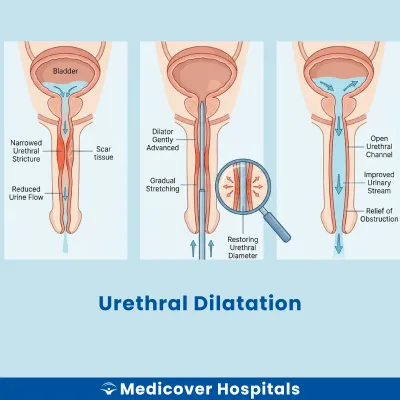
Urethral dilatation is a medical procedure aimed at widening the urethra. The urethra is the tube that carries urine from the bladder out of the body. This procedure involves the use of special instruments to gently stretch the narrowed section of the urethra. It helps restore normal urine flow.
Urethral dilatation is often needed for conditions like urethral stricture (narrowing of the urethra). Strictures can result from infections, injuries, or surgeries. If left untreated, they may lead to urinary retention or kidney damage. Modern approaches for urethral dilatation include endoscopic techniques, which are minimally invasive. These methods help in reducing recovery time and improving outcomes.
Urethral Dilatation Doctors Near You
Find skilled urologists for urethral dilatation at Medicover Hospitals across India. Choose your city and book a consultation to address your urological needs with expert care.
Why Choose Medicover Hospitals for Urethral Dilatation?
Get a second opinion from trusted experts and makeconfident, informed decisions.
 Get Second Opinion
Complete Guide To Urethral Dilatation
Everything you need to know about the procedure, preparation, and recovery
Urethral Dilatation Procedure Indications
Doctors recommend urethral dilatation when there is a narrowing of the urethra that affects urine flow. This procedure helps relieve symptoms and improve quality of life when other treatments are ineffective.
Urethral Stricture
Patients may experience difficulty urinating, weak urine stream, or frequent urinary tract infections. Doctors find narrowing in the urethra through imaging tests. When medications and less invasive treatments fail, dilatation is considered.
Recurrent Urinary Tract Infections (UTIs)
Frequent UTIs can cause pain, burning during urination, and fever. Tests may show urethral narrowing contributing to infections. If antibiotics and lifestyle changes do not prevent recurrences, urethral dilatation may be needed.
Incomplete Bladder Emptying
Patients report a feeling of incomplete bladder emptying and frequent urination. Ultrasound or post-void residual tests may show urine retention. When medications do not resolve the issue, dilatation may be advised.
Urinary Hesitancy
Patients experience difficulty starting urination or a prolonged time to begin urinating. Examination may reveal urethral narrowing. If behavioural therapies and medications are ineffective, dilatation may be recommended.
Pelvic Trauma
After pelvic injuries, patients may have pain and difficulty urinating. Imaging may show urethral damage or narrowing. When symptoms persist despite conservative management, dilatation can be considered.
How to Prepare for Urethral dilatation?
Proper preparation for urethral dilatation ensures a smooth procedure and aids in recovery. Following the guidelines helps minimise risks and enhances the effectiveness of the treatment.
- Medication Review: Stop NSAIDs, anticoagulants, and herbal supplements a week before the procedure.
- Fasting Instructions: If general anaesthesia is used, fast for at least 6-8 hours before the procedure.
- Hydration: Drink plenty of water the day before, unless instructed otherwise by your doctor.
- Clothing: Wear loose, comfortable clothing on the day of the procedure for ease and comfort.
- Transport Arrangement: Arrange for someone to drive you home post-procedure, as you may feel drowsy.
- Medication List: Bring a list of all medications you take, including dosages, to share with your healthcare team.
- Pre-procedure Consultation: Attend any pre-scheduled consultations to discuss the procedure and address any concerns.
- Personal Hygiene: Follow any specific hygiene instructions given by your healthcare provider before the procedure.
Urethral dilatation procedure (Step-by-Step)
Urethral dilatation is performed by urologists. It typically takes 15-30 minutes. The procedure is usually done under local anaesthesia.
- Preparation: The patient is positioned comfortably. Local anaesthesia is administered to numb the urethral area.
- Insertion of Lubricant: A sterile lubricant is applied to the urethral opening to ease the insertion of instruments.
- Introduction of Dilators: A series of graduated dilators, known as urethral sounds, are gently inserted into the urethra. This gradually widens the passage.
- Monitoring: The urologist carefully monitors the patient's comfort and the urethra's response to ensure safe dilation.
- Completion: Once the desired dilation is achieved, the instruments are removed. The area is cleaned, and the patient is monitored briefly for any immediate reactions.
- Post-Procedure Care: The patient may experience mild discomfort or a burning sensation during urination, which usually subsides in a few days.
Who Performs Urethral dilatation procedure?
Urethral dilatation is performed by urology doctors, specialists trained in diagnosing and treating urinary tract conditions. They possess the expertise to carry out the procedure safely and effectively, ensuring the patient's comfort and care throughout the process.
Recovery After Urethral Dilatation Procedure
After a urethral dilatation procedure, patients can expect some discomfort and a gradual return to normal activities. Following the doctor's advice and taking care of oneself is crucial for a smooth recovery.
Day 1-3:
- Rest is essential. Avoid strenuous activities.
- Drink plenty of fluids to help flush the urinary system.
- Expect mild discomfort or a burning sensation during urination.
- Consume a soft diet including curd, dal-rice, and soups to prevent constipation.
Day 4-7:
- Gradually resume light activities as tolerated.
- Continue with a balanced diet. Include khichdi and moong dal for easy digestion.
- Monitor for any unusual symptoms such as fever or severe pain.
Day 8-14:
- Most patients can return to work or school, depending on individual recovery.
- Maintain hydration and a healthy diet to support healing.
- Avoid heavy lifting and intense exercise until cleared by the doctor.
When to Seek Urgent Help:
- Severe pain or discomfort not relieved by prescribed medication.
- Fever or chills indicating a possible infection.
- Blood in urine or inability to urinate.
- Persistent nausea or vomiting.
Benefits of Urethral dilatation procedure
Urethral dilatation is a procedure used to treat urethral strictures, helping improve urine flow and alleviate discomfort.
- Improved Urine Flow: Helps restore normal urine flow by widening the narrowed urethra.
- Symptom Relief: Reduces symptoms like frequent urination and incomplete bladder emptying.
- Minimally Invasive: Typically performed without the need for major surgery.
- Quick Recovery: Patients often experience a faster recovery compared to surgical alternatives.
Risks and Complications of Urethral dilatation procedure
While generally safe, urethral dilatation carries certain risks and potential complications.
- Common: Temporary discomfort or pain during and after the procedure.
- Common: Mild bleeding or spotting following the procedure.
- Rare: Infection at the site of dilatation.
- Rare: Recurrent urethral strictures requiring additional treatments.
- Rare: Injury to the urethra during the procedure.
Cost of Urethral dilatation procedure
The cost of the urethral dilatation procedure at Medicover Hospitals ranges from Rs. 4280 to Rs. 8600, depending on the ward category. Prices vary based on the type of accommodation chosen, from outpatient to suite options. Medicover Hospitals offers transparent pricing and supports insurance and TPA services, including CGHS, ESI, and major TPAs. A cashless facility is also available for added convenience. Please contact the hospital for the latest insurance panel details as these may change periodically.
Frequently Asked Questions
1. How much does Urethral dilatation cost?
The cost of Urethral dilatation at Medicover Hospitals ranges from Rs. 4280 to Rs. 8600, depending on the type of care.
2. Is Urethral dilatation covered by insurance?
Urethral dilatation may be covered under CGHS, ESI, and major TPAs with cashless options. Please contact the hospital for current panel details.
3. Will I need a catheter after urethral dilatation?
A temporary catheter may be required to ensure proper healing. Your doctor will advise based on your specific condition.
4. Can I experience urinary infections post-procedure?
There is a risk of urinary infections after urethral dilatation. Maintaining hygiene and following doctor's advice can help reduce this risk.
5. What foods should I avoid after urethral dilatation?
Avoid spicy and acidic foods to prevent irritation. Opt for light meals like curd, dal-rice, and khichdi for better recovery.
6. Will I have difficulty urinating post-procedure?
Some discomfort while urinating is common initially. It usually improves within a few days as the urethra heals.
7. Can urethral stricture recur after dilatation?
There is a possibility of recurrence of urethral stricture. Regular follow-ups with your doctor can help monitor and manage the condition.
8. How painful is urethral dilation?
urethral dilation may cause mild to moderate discomfort, but it is usually done with local anesthesia or lubrication to reduce pain. Some burning or soreness during urination can occur for a short time after the procedure.
9. How many times can urethral dilation be done?
urethral dilation can be repeated multiple times if needed, especially for recurrent urethral stricture. However, frequent recurrence may require more definitive treatments like surgery.


