 Call
Call Patient Reports
Hospital for Unilateral Pelvic Lymph Node Dissection Surgery
Unilateral Pelvic Lymph Node Dissection at Medicover Hospitals is performed using a laparoscopic approach. Our oncologists, with qualifications like MS, DNB, and MCh, ensure precise surgical care. This minimally invasive technique results in smaller incisions and reduced blood loss, enhancing recovery.
Expert Surgeons
Yearly Surgeries
Patient Satisfaction
What is Unilateral Pelvic Lymph Node Dissection?
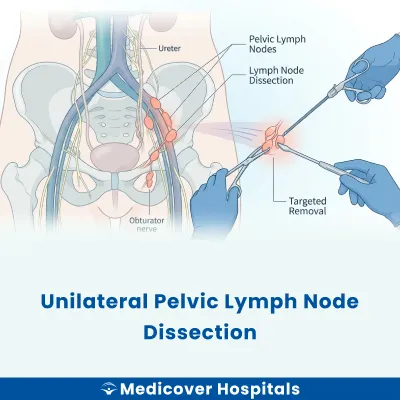
Unilateral Pelvic Lymph Node Dissection is a surgical procedure involving the removal of lymph nodes on one side of the pelvis. The pelvis is the lower part of the torso, located between the abdomen and the legs. This procedure helps in assessing the spread of cancer, especially in organs like the prostate or bladder. It involves the careful extraction of lymph nodes to check for cancer cells.
This surgery is often needed for patients with pelvic cancers. It helps determine the cancer stage and guides further treatment. If untreated, cancer may spread to other body parts. Modern surgical approaches include laparoscopic (minimally invasive) and robotic-assisted techniques. These methods aim to reduce recovery time and improve precision. Early intervention is crucial to prevent complications.
Unilateral Pelvic Lymph Node Dissection Doctors Near You
Discover skilled oncologists for unilateral pelvic lymph node dissection at Medicover Hospitals across India. Choose your city and book a consultation to receive expert care tailored to your needs.
Why Choose Medicover Hospitals for Unilateral Pelvic Lymph Node Dissection?
Get a second opinion from trusted experts and makeconfident, informed decisions.
 Get Second Opinion
Complete Guide To Unilateral Pelvic Lymph Node Dissection
Everything you need to know about the procedure, preparation, and recovery
Unilateral Pelvic Lymph Node Dissection Surgery Indications
Doctors recommend unilateral pelvic lymph node dissection when there is a need to evaluate or treat cancer spread in the pelvic region. This procedure helps in assessing lymph node involvement, which is crucial for staging and planning further treatment.
Prostate Cancer Staging
Patients may experience urinary difficulties or pelvic pain. Imaging or biopsy may reveal a suspicious prostate lesion. If scans show potential lymph node involvement, and initial treatments don't control the cancer, surgery may be advised.
Cervical Cancer Evaluation
Symptoms like abnormal vaginal bleeding or pelvic discomfort may occur. A pelvic exam or imaging might show enlarged lymph nodes. When non-surgical treatments are insufficient, dissection helps determine cancer spread.
Bladder Cancer Assessment
Patients often report blood in urine or frequent urination. Imaging studies may detect lymph node enlargement. If chemotherapy or radiation fails to manage the cancer, surgery is considered to evaluate lymph node status.
Testicular Cancer Spread
Swelling or pain in the testicles can be symptoms. Ultrasound or CT scans might indicate lymph node involvement. When other treatments don't halt progression, surgery aids in assessing the extent of spread.
Penile Cancer Progression
Signs include lesions or growths on the penis. Physical exams or imaging may show lymph node changes. If topical or systemic therapies are ineffective, surgery helps in determining the cancer's reach.
How to Prepare for Unilateral Pelvic Lymph Node Dissection?
Proper preparation is crucial for a smooth surgery and recovery. It helps minimise risks and ensures the best outcomes.
- Medication Review: Stop NSAIDs, anticoagulants, and herbal supplements as advised by your doctor.
- Fasting Guidelines: Do not eat or drink anything for at least 8 hours before the procedure.
- Bowel Preparation: Follow any specific instructions given by your healthcare provider for bowel prep.
- Comfortable Clothing: Wear loose, comfortable clothes on the day of the surgery.
- Transportation: Arrange for someone to drive you home after the procedure.
- Medication List: Bring a list of your current medications, including dosages, to the hospital.
- Pre-Surgery Consultation: Attend all pre-surgery appointments to discuss any concerns.
- Personal Items: Bring essential personal items, but leave valuables at home.
Unilateral Pelvic Lymph Node Dissection Surgery (Step-by-Step)
This procedure is performed by cancer specialists to remove lymph nodes from one side of the pelvis. It typically lasts 2-4 hours and is done under general anaesthesia.
- Preparation: The patient is positioned on the operating table. General anaesthesia is administered to ensure the patient is asleep and pain-free.
- Incision: A small incision, about 1-2 cm, is made in the lower abdomen. This allows access to the pelvic area.
- Accessing the Lymph Nodes: A laparoscope is inserted through the incision. This instrument provides a visual of the pelvic area on a monitor.
- Dissection: Using tools like a harmonic scalpel, the surgeon carefully dissects the lymph nodes. Bipolar cautery may be used to control bleeding.
- Removal: The identified lymph nodes are removed through the incision. The surgeon ensures all targeted nodes are extracted.
- Closure: The incision is closed with sutures or surgical glue. A dressing is applied to protect the area.
- Recovery: The patient is moved to a recovery room. They are monitored as they wake from anaesthesia, experiencing some soreness in the incision area.
Who Performs Unilateral Pelvic Lymph Node Dissection Surgery?
This surgery is performed by oncologists with expertise in surgical oncology. They are trained to handle complex procedures involving the lymphatic system and ensure precise removal of lymph nodes.
Recovery After Unilateral Pelvic Lymph Node Dissection Surgery
Recovery from unilateral pelvic lymph node dissection surgery involves gradual healing and return to normal activities. It's essential to follow your doctor's advice for a smooth recovery process.
Day 1-3:
- Rest is crucial. Avoid any strenuous activities.
- Pain and discomfort are common. Take prescribed medications.
- Start with a liquid diet and gradually introduce soft foods like soups and khichdi.
Day 4-7:
- Begin light activities, but avoid heavy lifting.
- Include easily digestible foods like moong dal and curd in your meals.
- Keep the surgical area clean and dry.
Day 8-14:
- Increase activity levels slowly. Short walks are beneficial.
- Resume a balanced diet with dal-rice and other nutritious foods.
- Monitor for any unusual symptoms or discomfort.
Phase 3 (Week 3-4):
- Most patients can return to work or school, depending on the nature of their activities.
- Continue to avoid heavy physical exertion.
- Maintain a healthy diet to support recovery.
When to Seek Urgent Help
- Severe pain that does not improve with medication.
- Signs of infection like redness, swelling, or pus at the incision site.
- High fever or chills.
- Difficulty urinating or unusual changes in bowel movements.
If you experience any of these symptoms, contact your healthcare provider immediately.
Benefits of Unilateral Pelvic Lymph Node Dissection Surgery
Unilateral Pelvic Lymph Node Dissection is a surgical procedure aimed at removing lymph nodes on one side of the pelvis. It offers several benefits for patients.
- Targeted Removal: Focuses on lymph nodes in a specific area, potentially reducing cancer spread.
- Diagnostic Clarity: Helps in staging cancer, providing crucial information for further treatment.
- Reduced Recovery Time: Compared to bilateral procedures, recovery may be quicker.
- Lower Surgical Impact: Involves less tissue removal, potentially reducing complications.
Risks and Complications of Unilateral Pelvic Lymph Node Dissection Surgery
While this surgery can be beneficial, it carries certain risks and potential complications. Patients should be aware of these before proceeding.
- Infection at the surgical site.
- Bleeding during or after the procedure.
- Nerve damage leading to numbness or weakness.
- Lymphocele formation, causing fluid accumulation.
- Blood clots in the legs or lungs.
- Long-term swelling in the leg (lymphoedema).
Cost of Unilateral Pelvic Lymph Node Dissection Surgery
The cost of Unilateral Pelvic Lymph Node Dissection Surgery at Medicover Hospitals ranges from Rs. 89,000 to Rs. 142,000. The price varies based on the ward category chosen, such as general, twin sharing, or private rooms.
Medicover Hospitals offers transparent pricing with support for insurance and TPA, including CGHS, ESI, and major TPAs. Cashless facilities are available to ease the financial process. Please contact the hospital for the latest insurance panel details as these may change periodically.
Frequently Asked Questions
1. How much does Unilateral Pelvic Lymph Node Dissection surgery cost at Medicover Hospitals?
The cost ranges from Rs. 89,000 to Rs. 142,000 across Medicover Hospitals, depending on the type of accommodation chosen.
2. Is Unilateral Pelvic Lymph Node Dissection surgery covered under health insurance at Medicover?
It is often covered by CGHS, ESI, and major TPAs, with cashless options available. Please contact the hospital for current panel details.
3. Will I experience leg swelling after surgery?
Leg swelling can occur due to lymphatic changes post-surgery. It usually improves with time and prescribed physiotherapy.
4. Can I resume walking immediately after surgery?
Walking is encouraged soon after surgery to aid recovery. However, strenuous activities should be avoided for at least 4 weeks.
5. Will I need a special diet post-surgery?
A light diet including curd, dal-rice, and khichdi is recommended initially. Gradually, you can return to your regular diet as advised by your doctor.
6. Is there a risk of infection after the procedure?
Infections are a potential complication, but they are rare. Following post-operative care instructions can significantly reduce this risk.
7. Will I need physiotherapy after the surgery?
Physiotherapy may be recommended to enhance mobility and reduce swelling. Your doctor will guide you on the appropriate exercises.


